
A Southern Tasmanian Story, Born on the River Derwent
Designed in 1927 as an affordable stepping stone into yacht racing, the Derwent Class became one of Tasmania’s most spirited one-design fleets. Nearly a century on, these small wooden yachts are sailing confidently into a renewed chapter on the River Derwent.
Watch the 2025 D-Class “World Championships” video below
A spirited, slightly chaotic celebration of classic river racing at the Australian Wooden Boat Festival.
Explore the Derwent Class Archive
The Story Behind the Fleet
The Derwent Class began in 1927 with a simple but generous idea. Edwin Webster wanted to give Tasmanian sailors a boat that was within reach — “an inexpensive craft that could be raced and could be used as a stepping stone from small sailing craft to larger yachts.” He launched a design competition to bring that idea to life.
Naval architect A. C. Barber won, and local sailor Percy Douglas helped shape the design for the moods and manners of the River Derwent — a 190-kilometre river winding from Lake St Clair on Tasmania’s Central Plateau to the river mouth at Hobart’s Storm Bay, where it meets the Tasman Sea.
Before long, the first six boats slid into the water, each named for a figure from mythology — a tradition as colourful and charming as the people who sailed them.
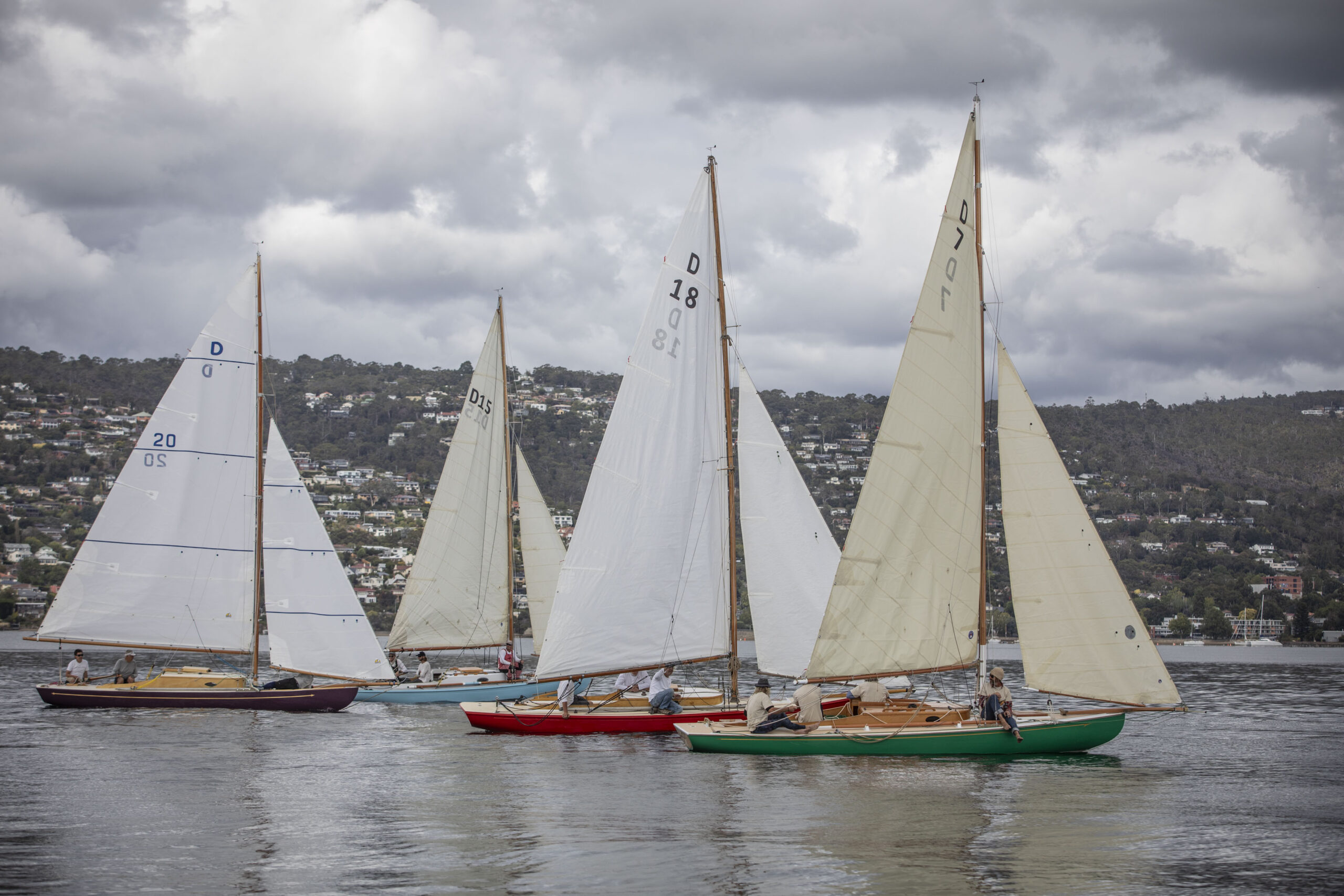
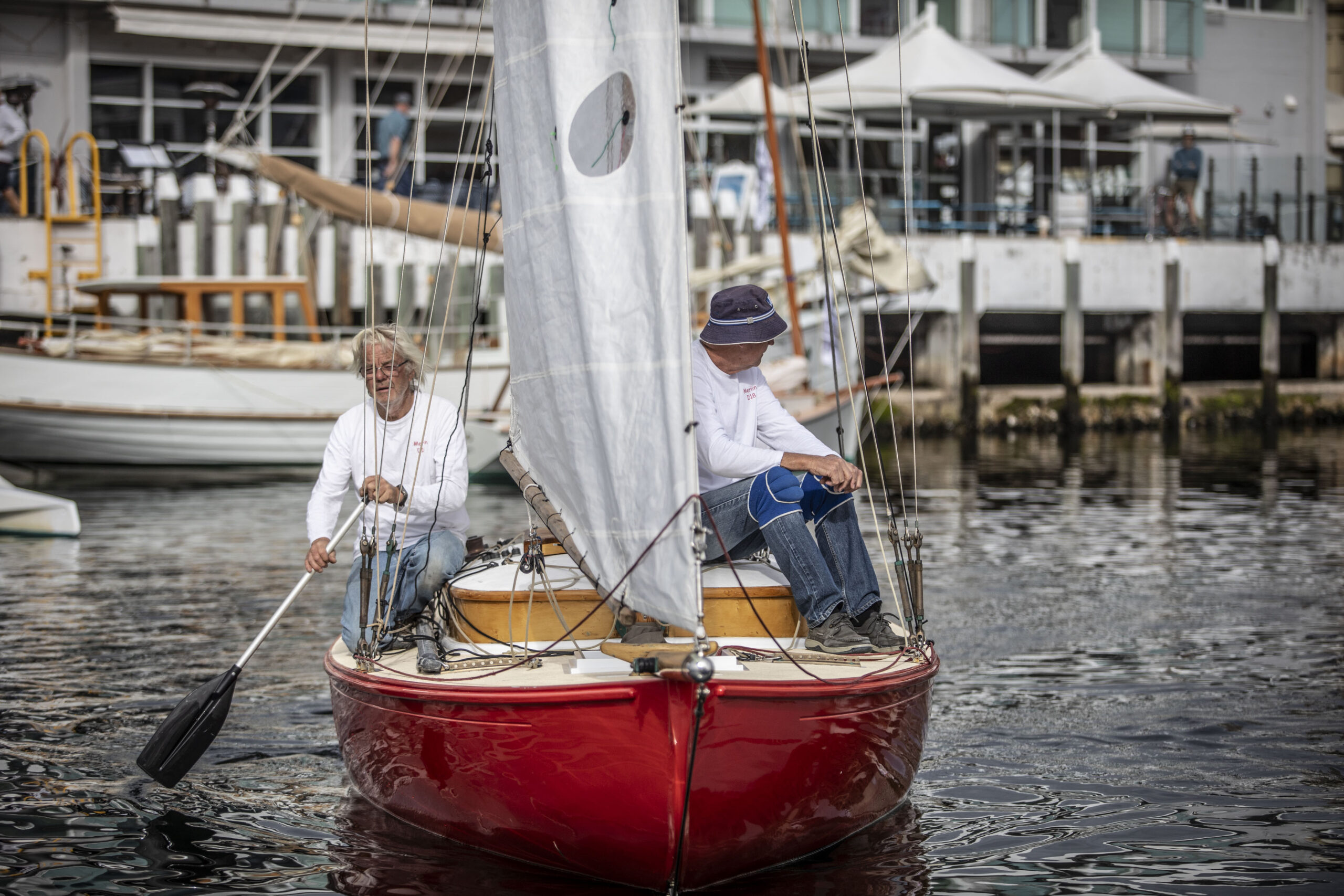
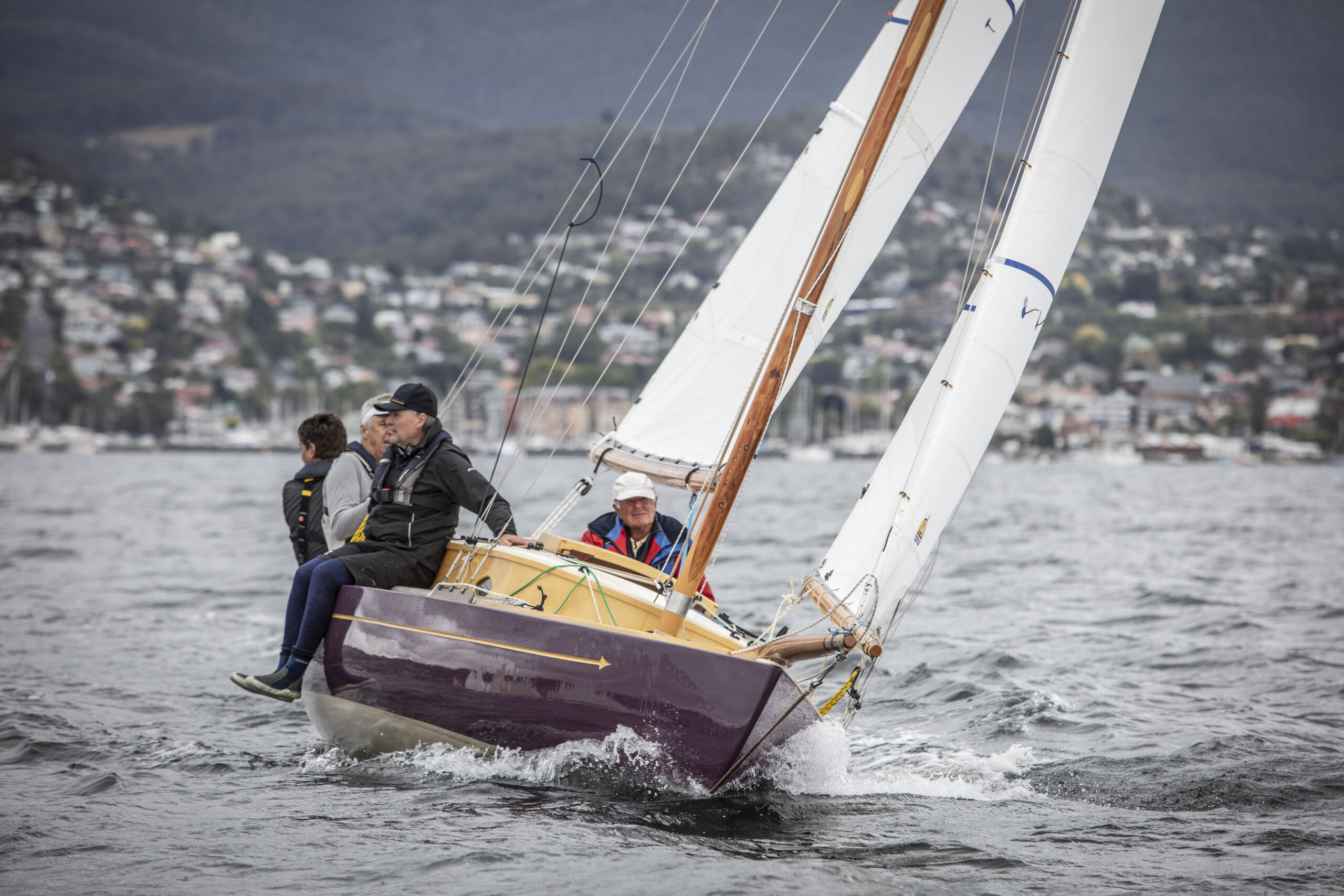
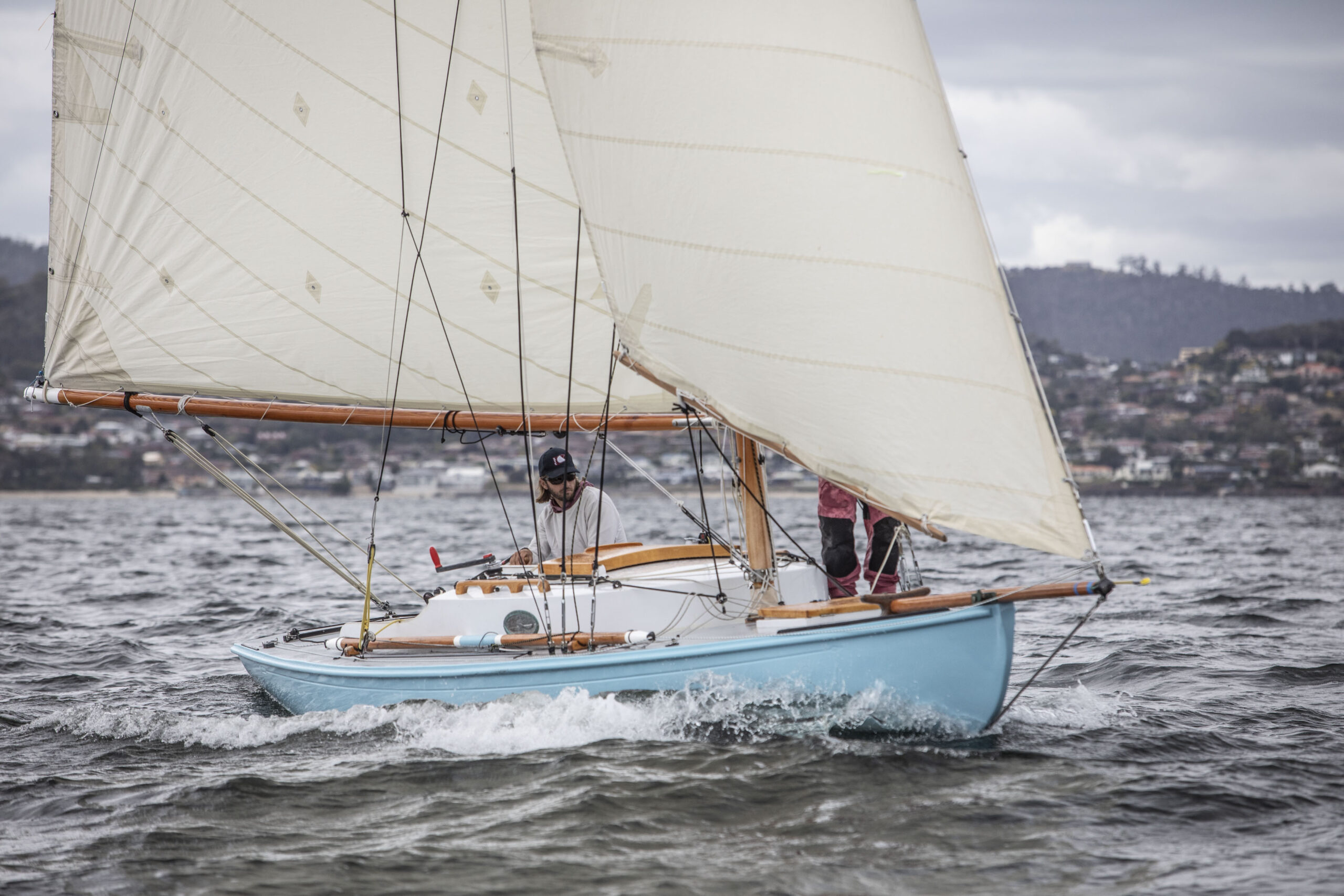
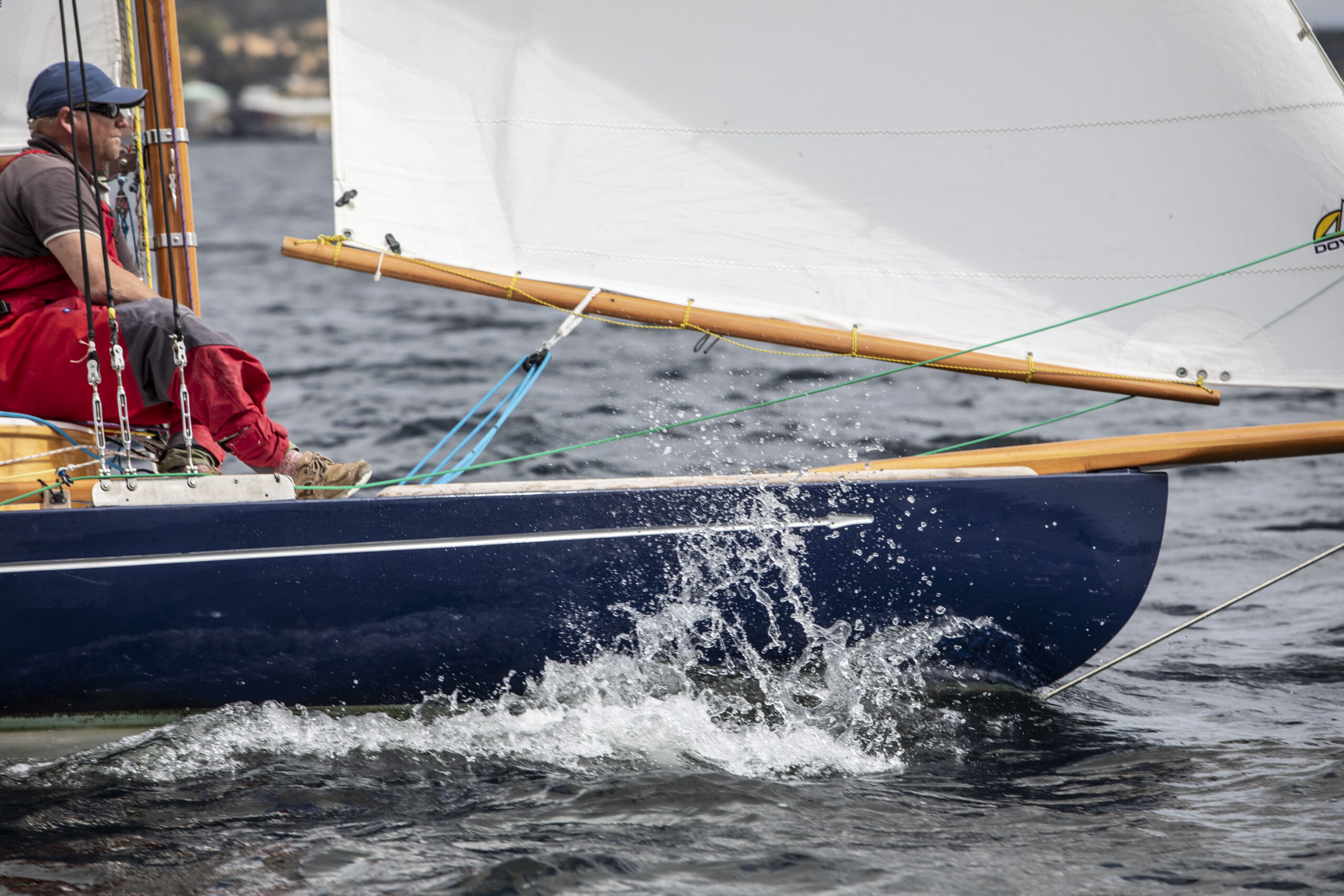
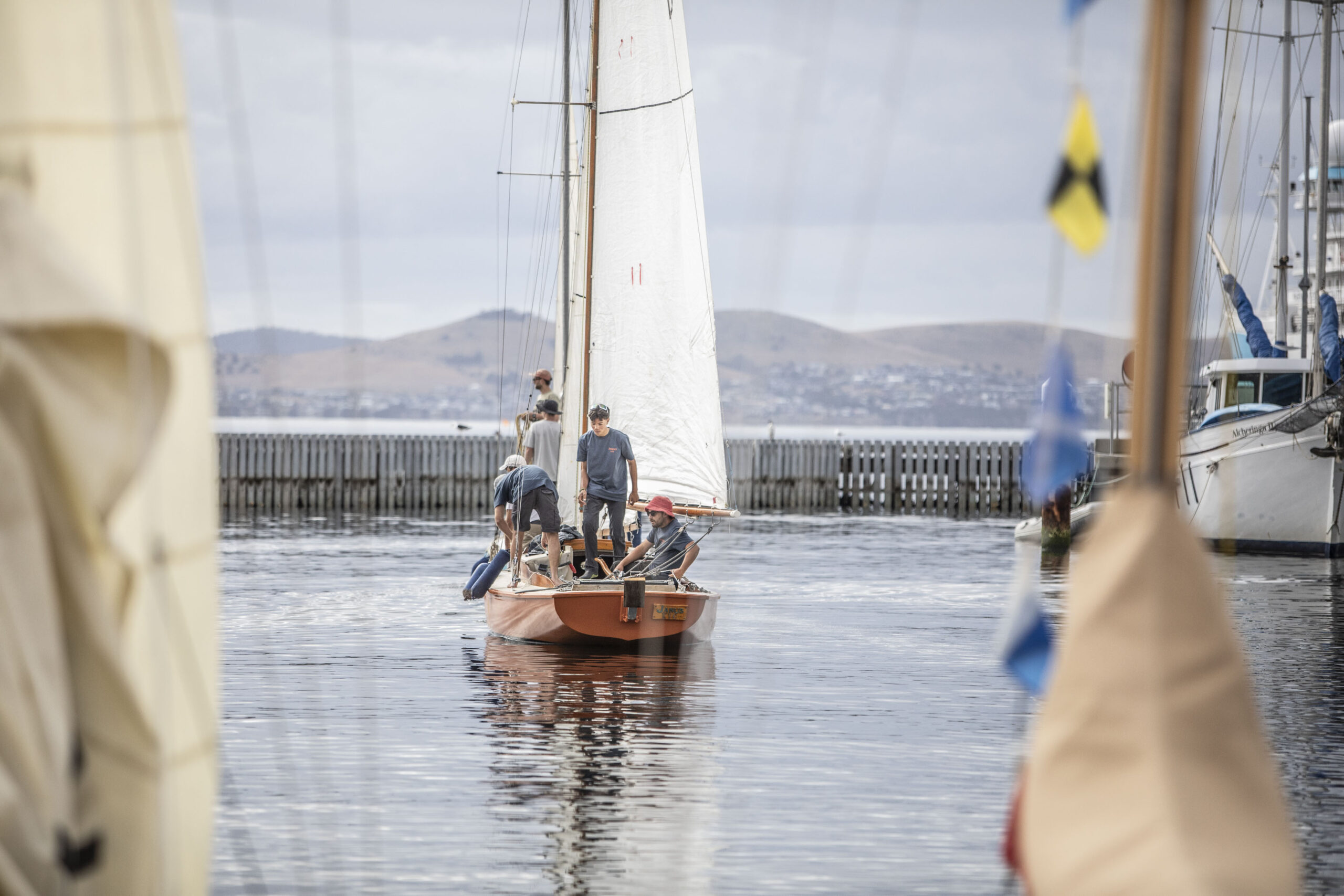
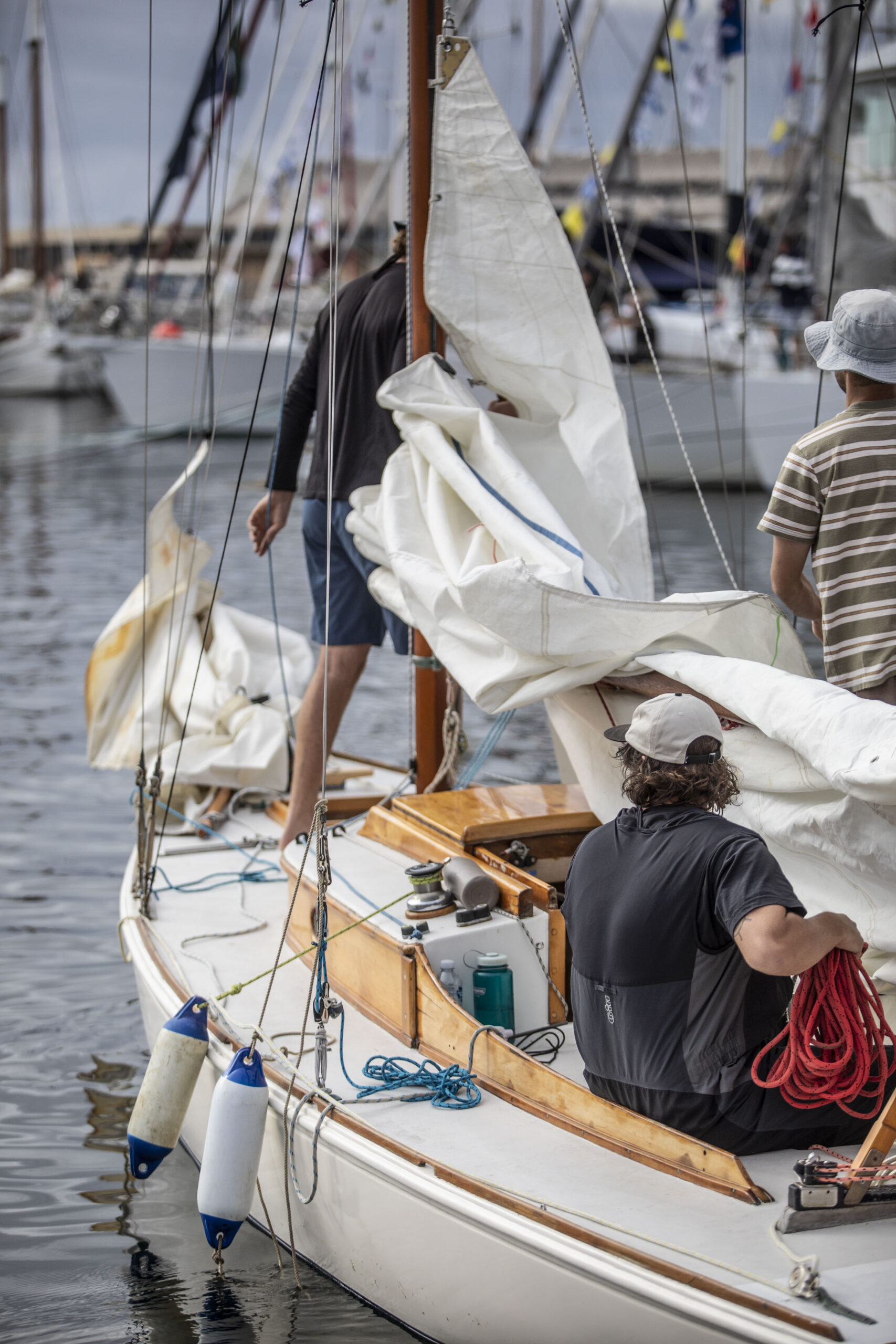
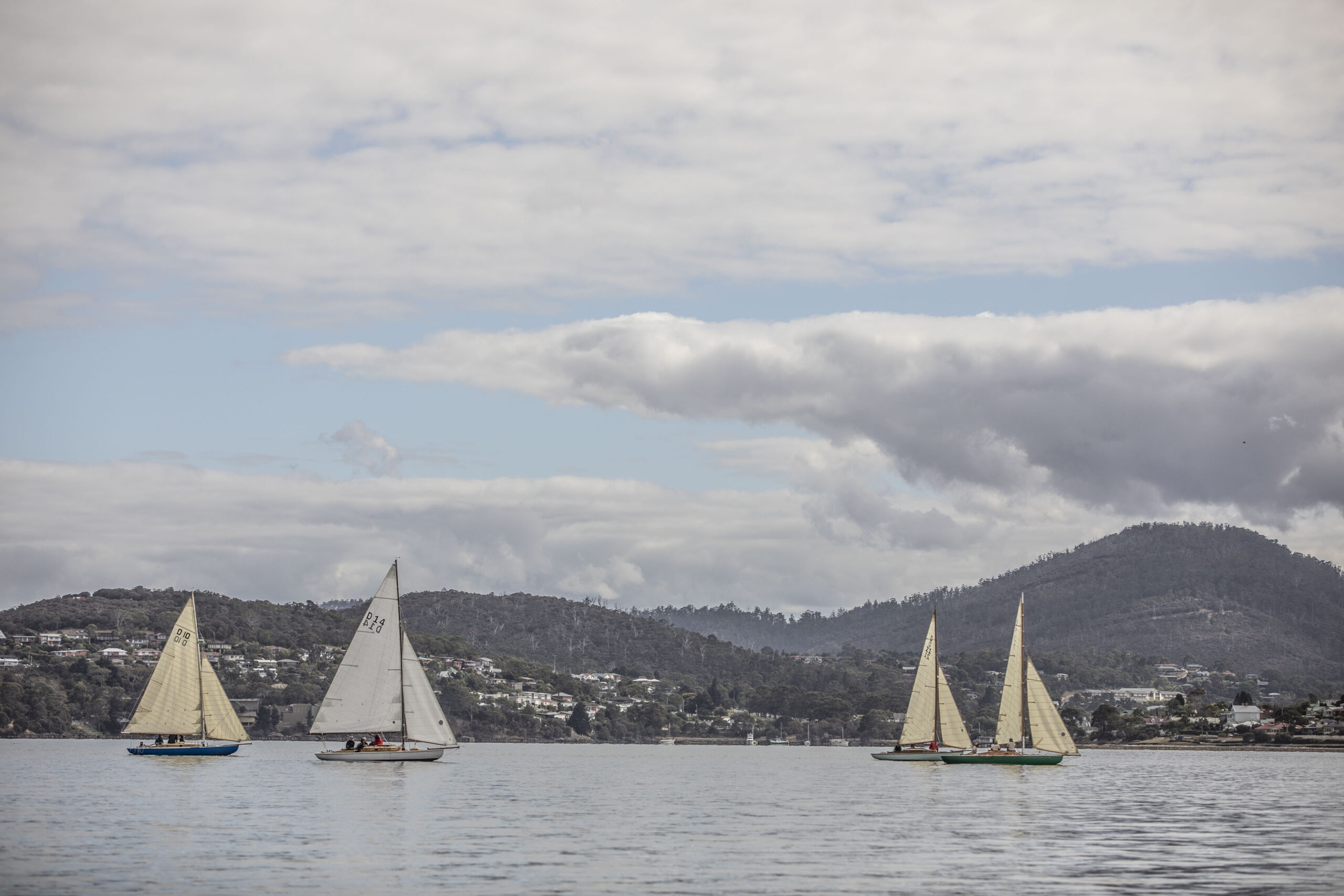
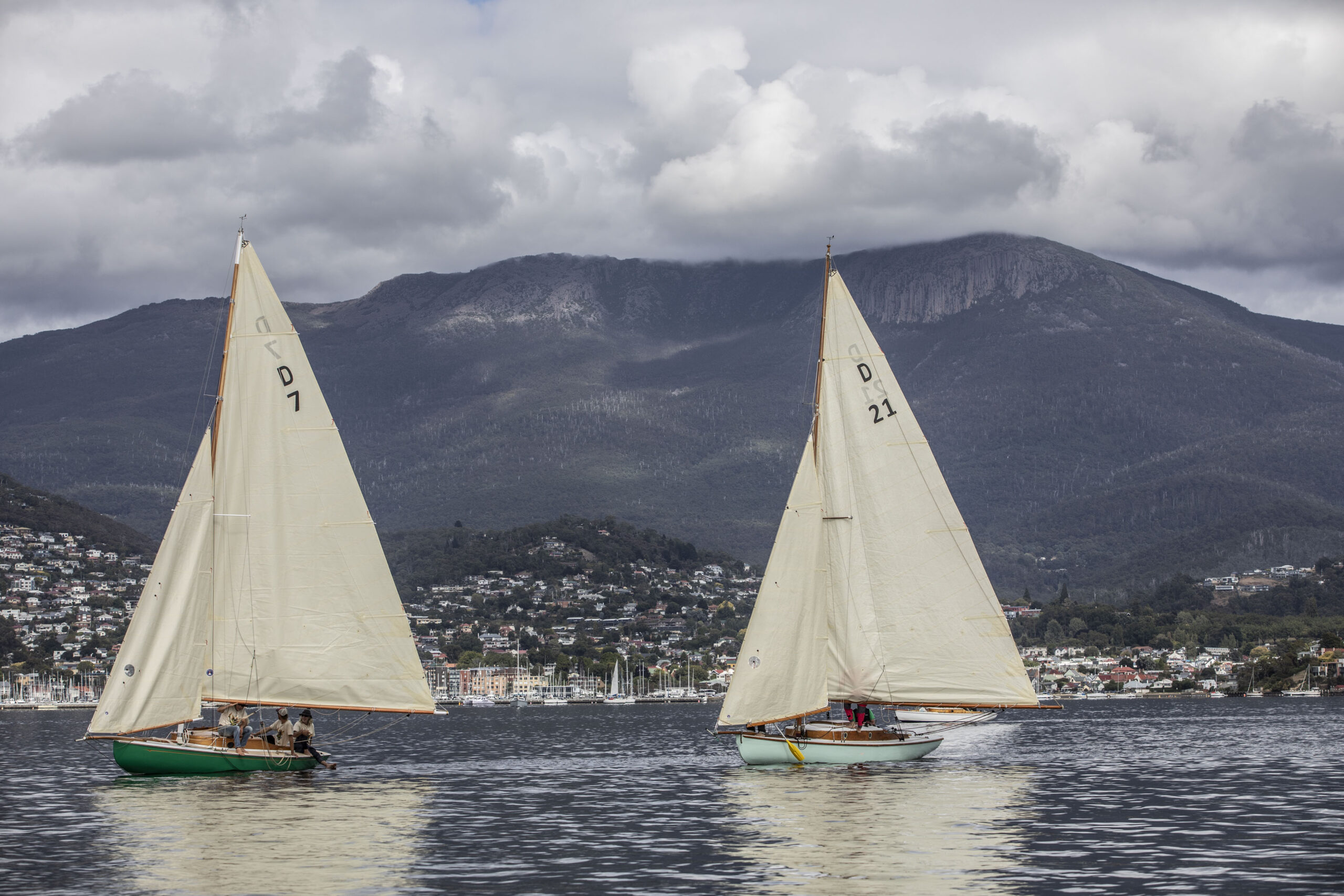
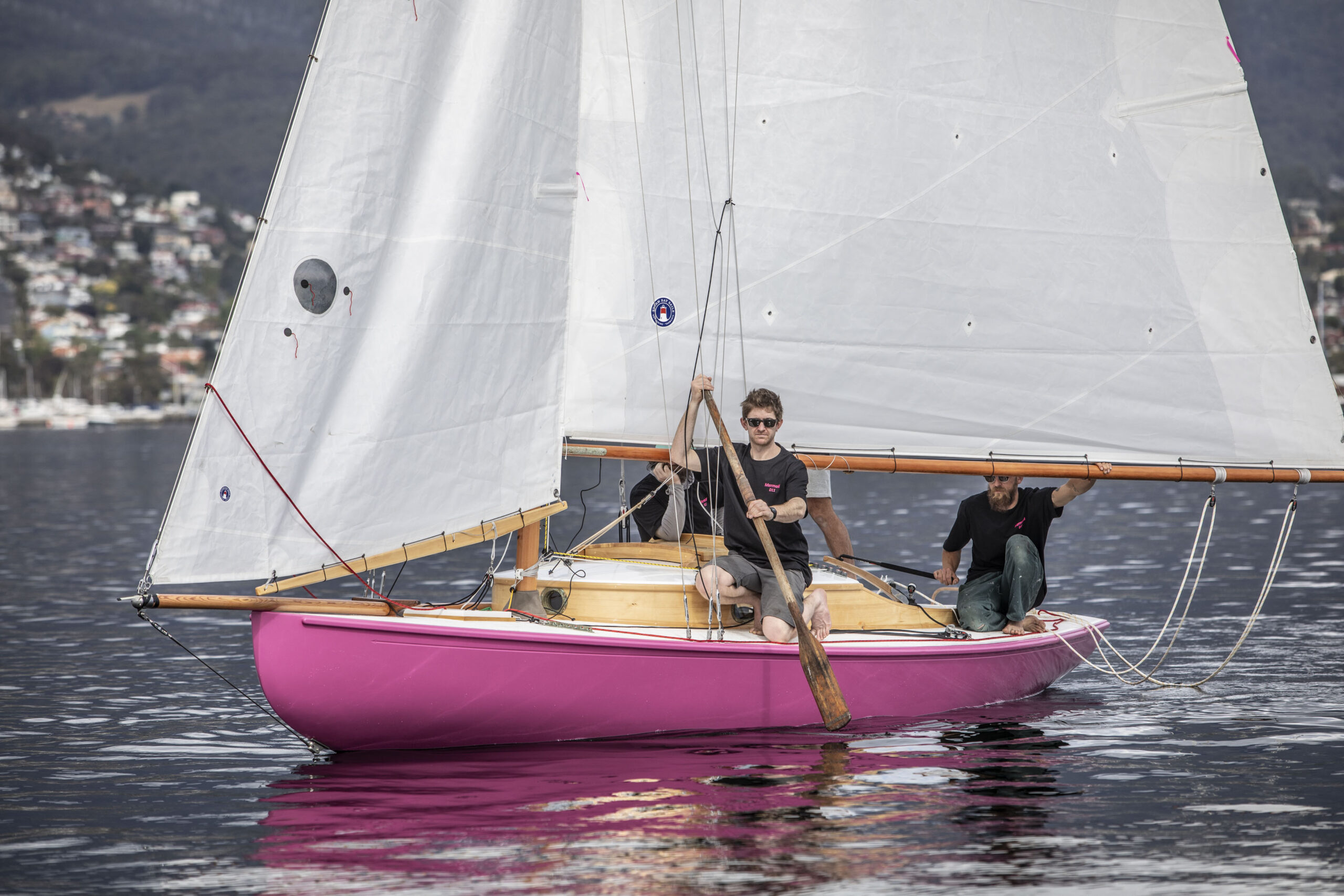
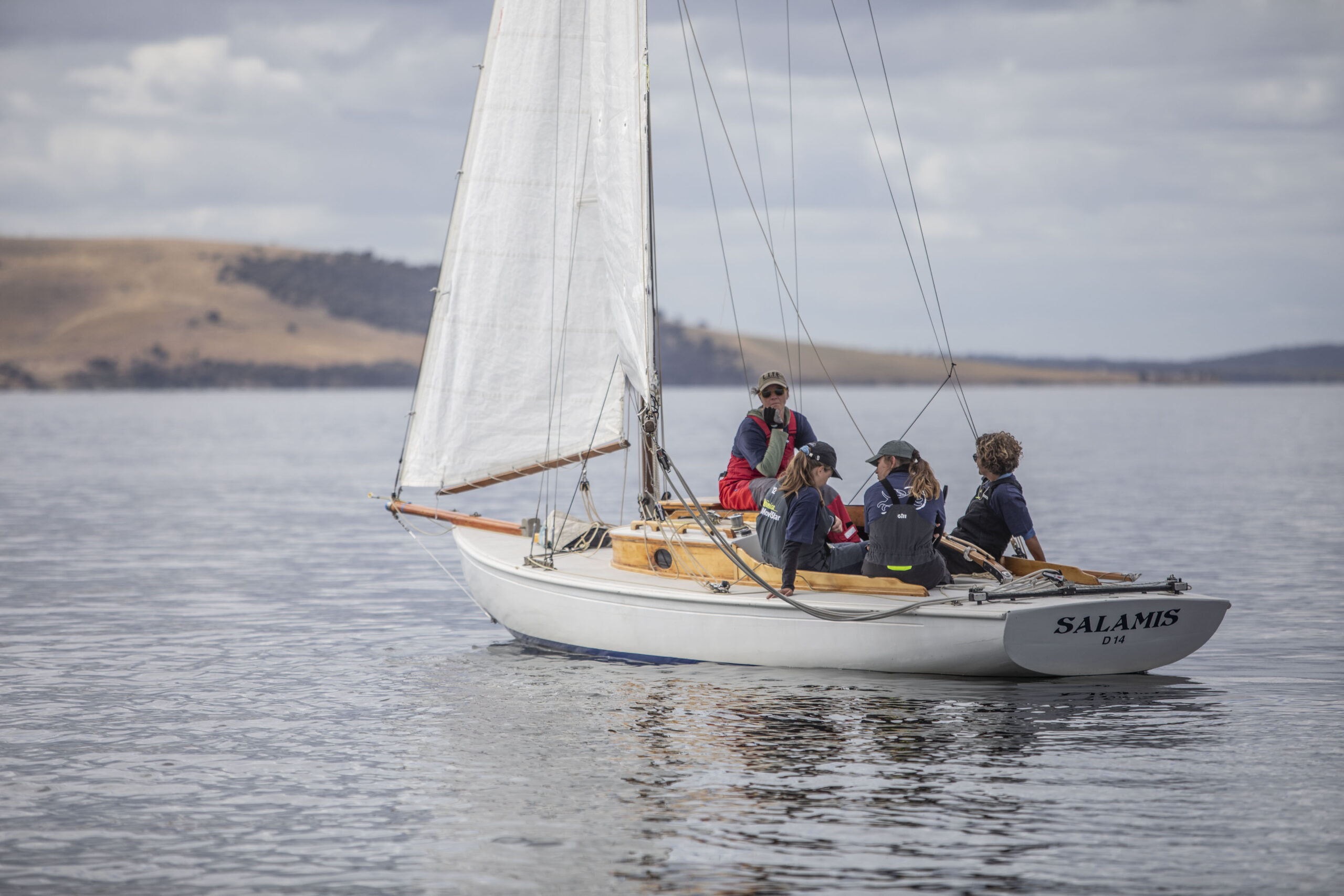
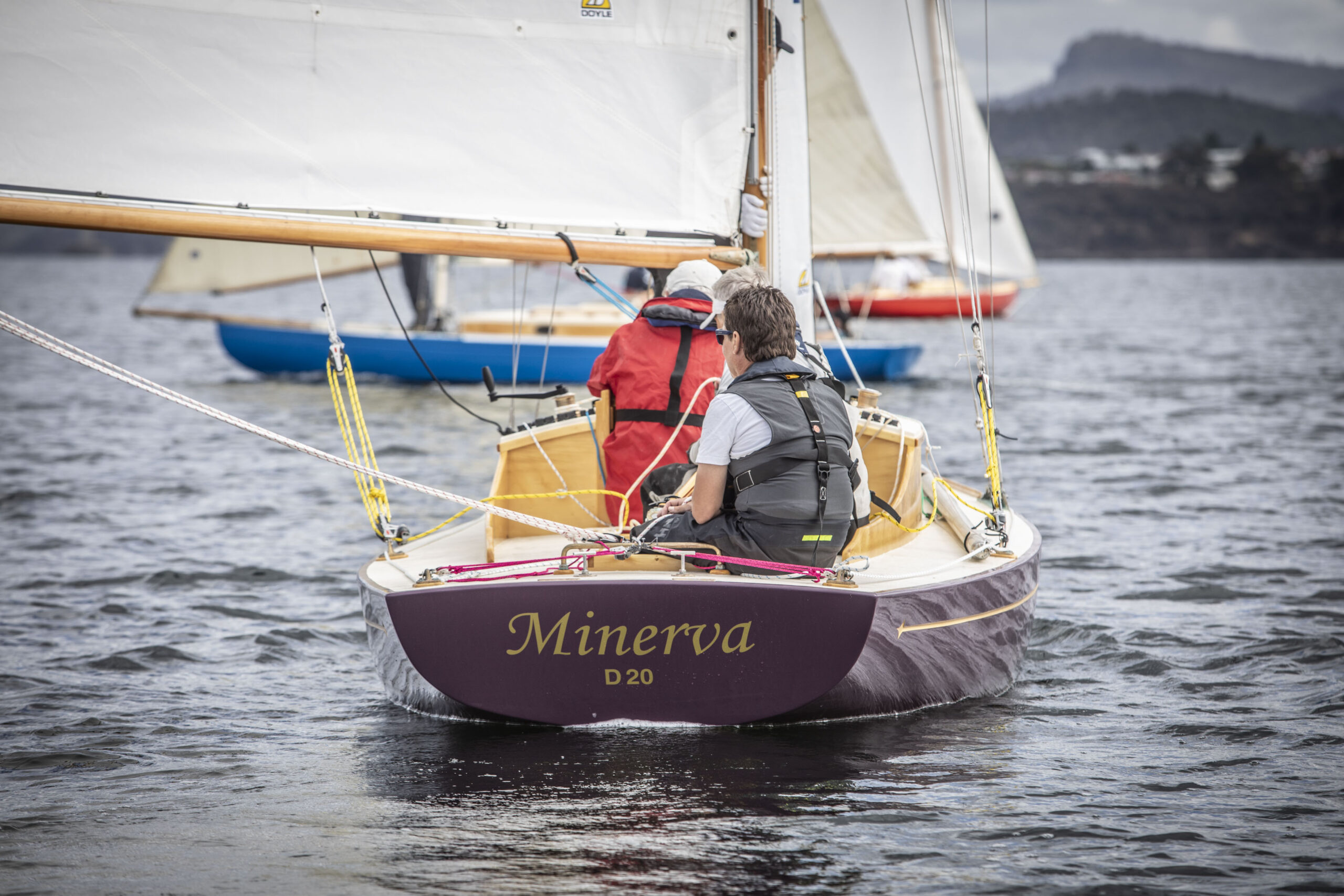
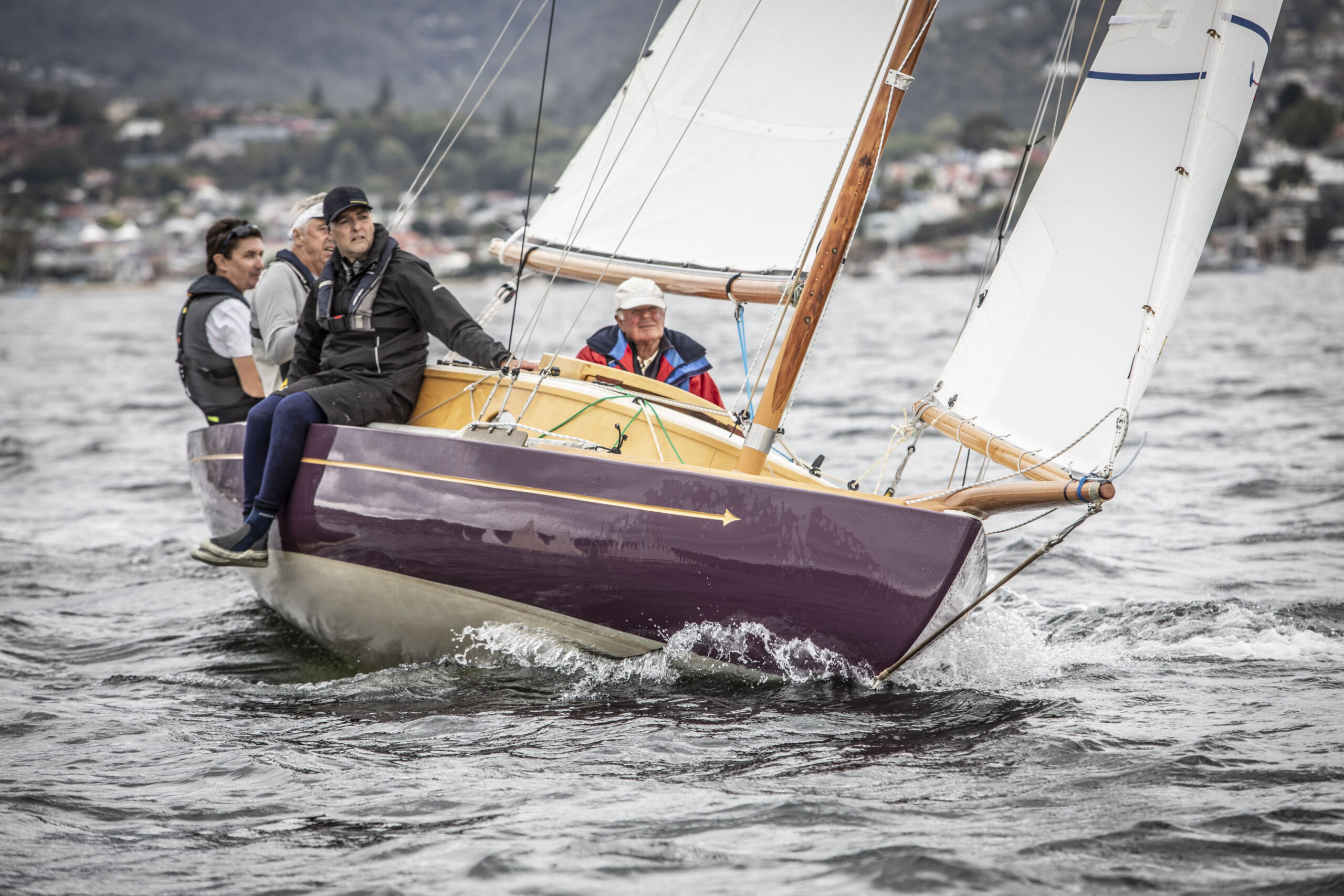
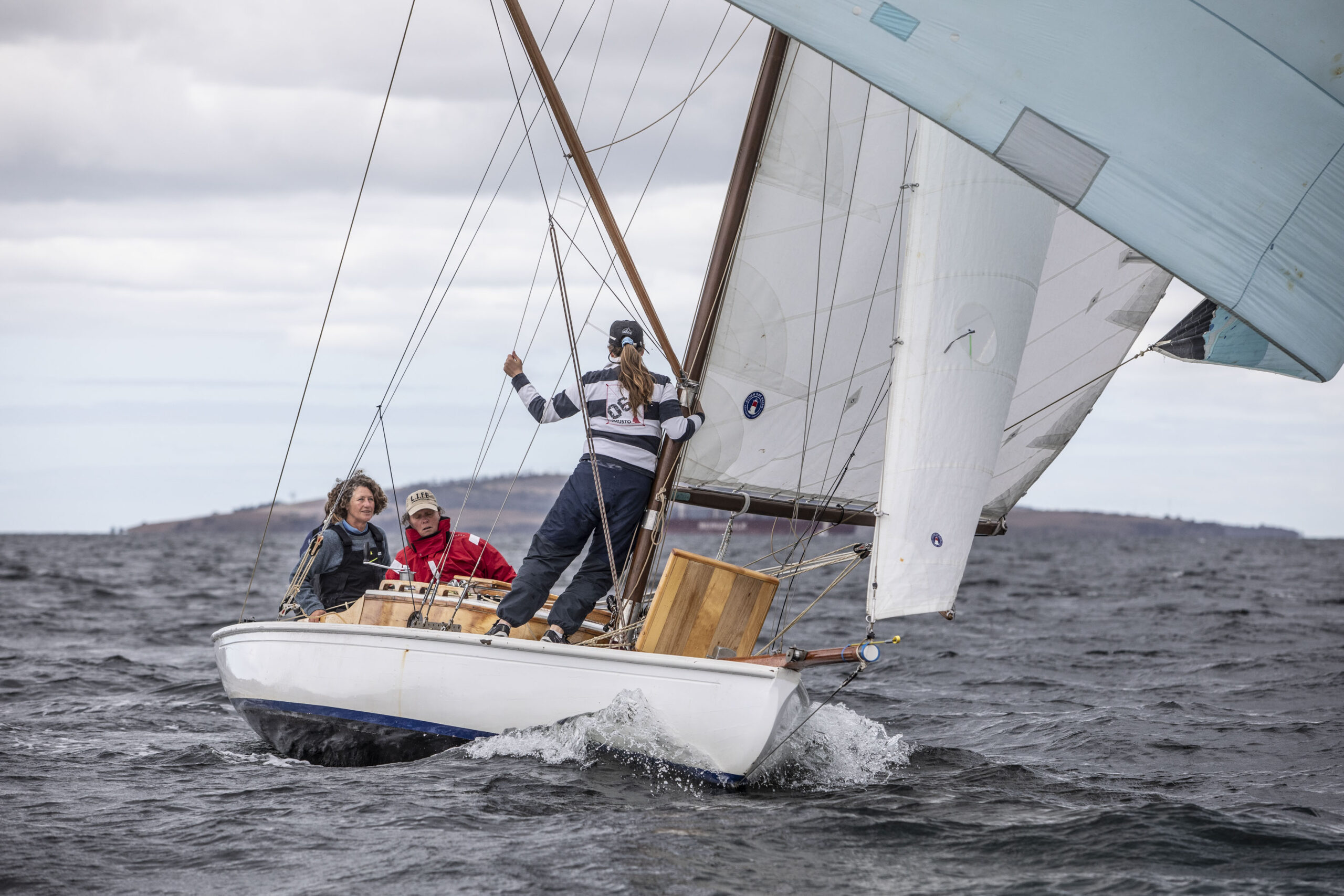
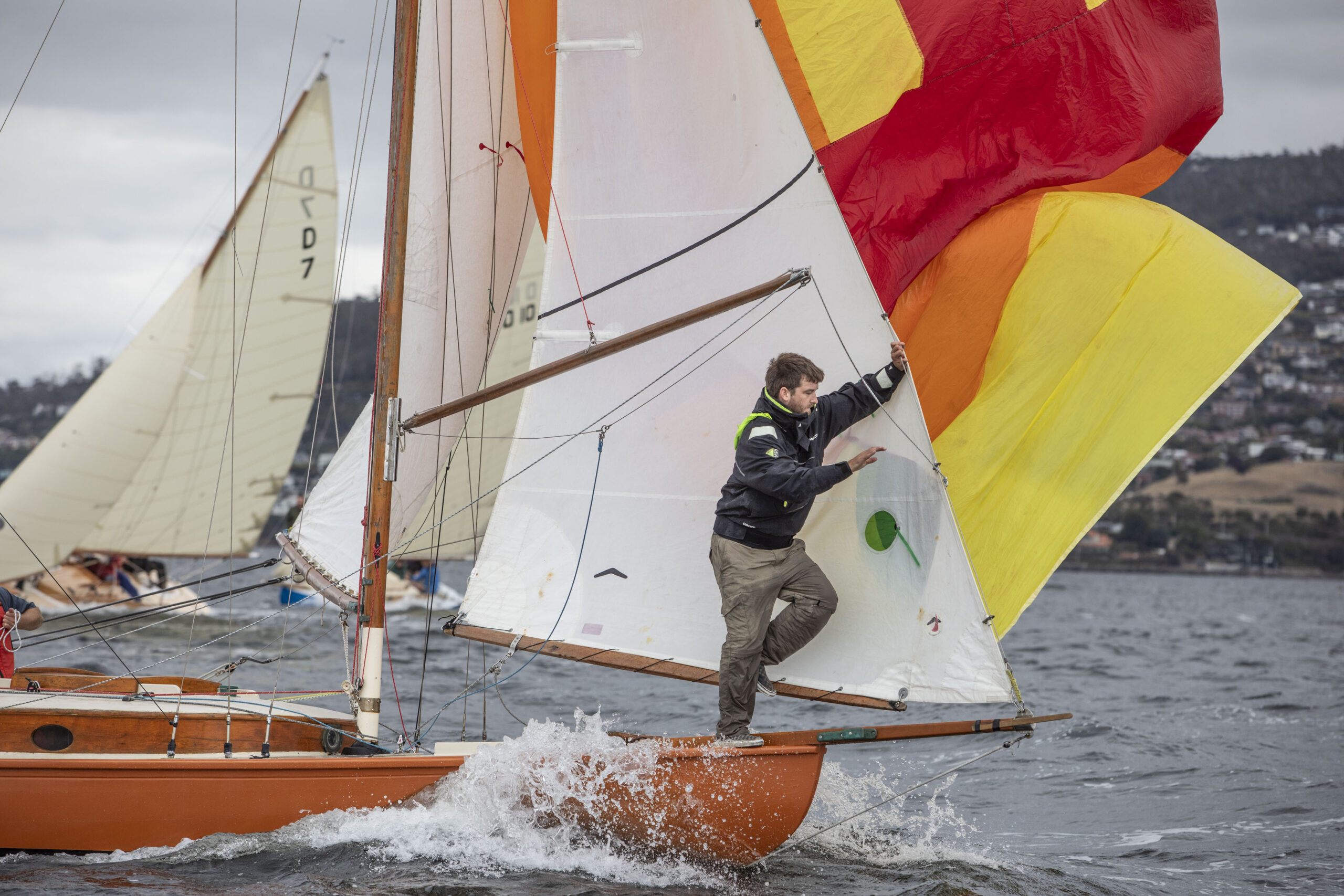
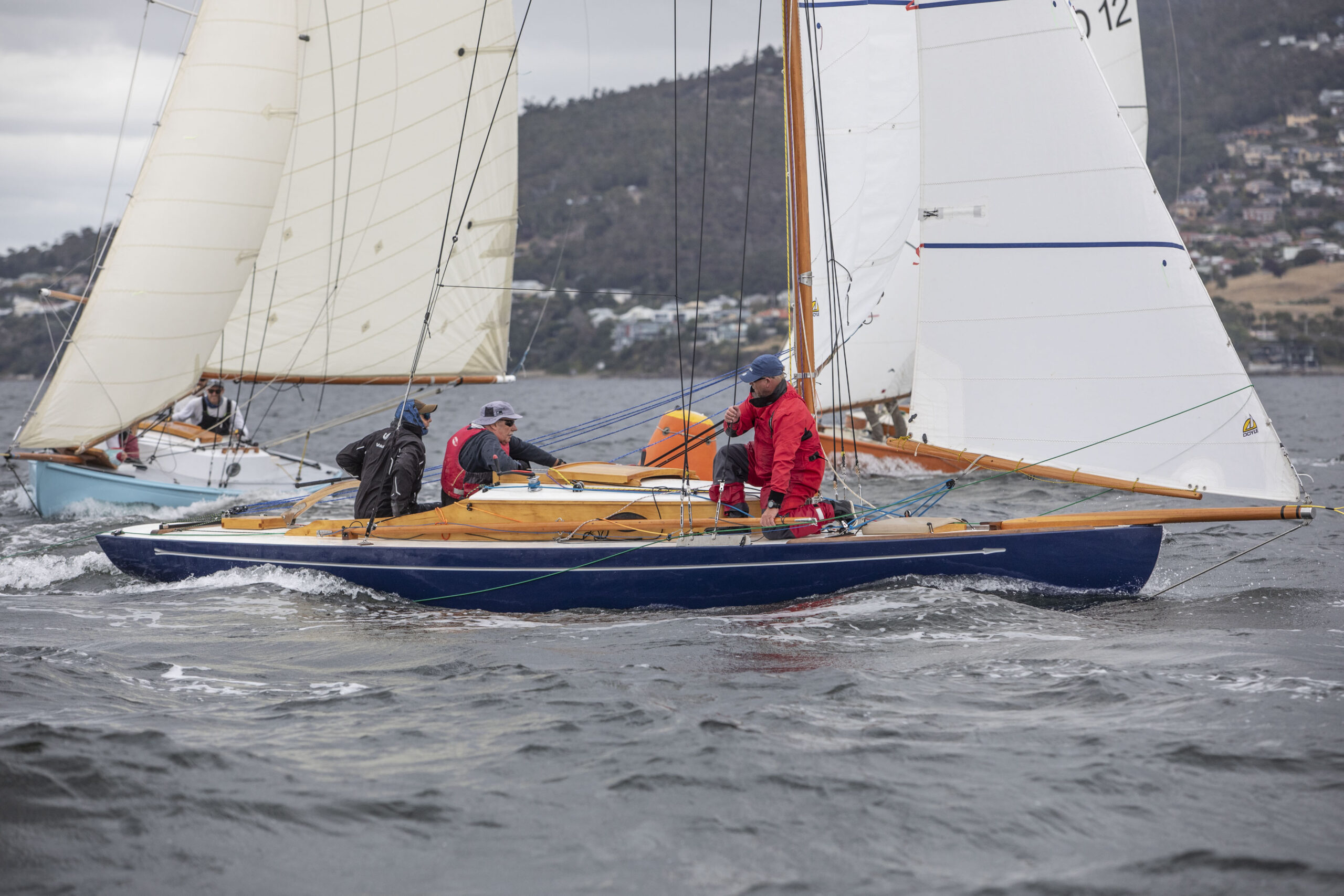
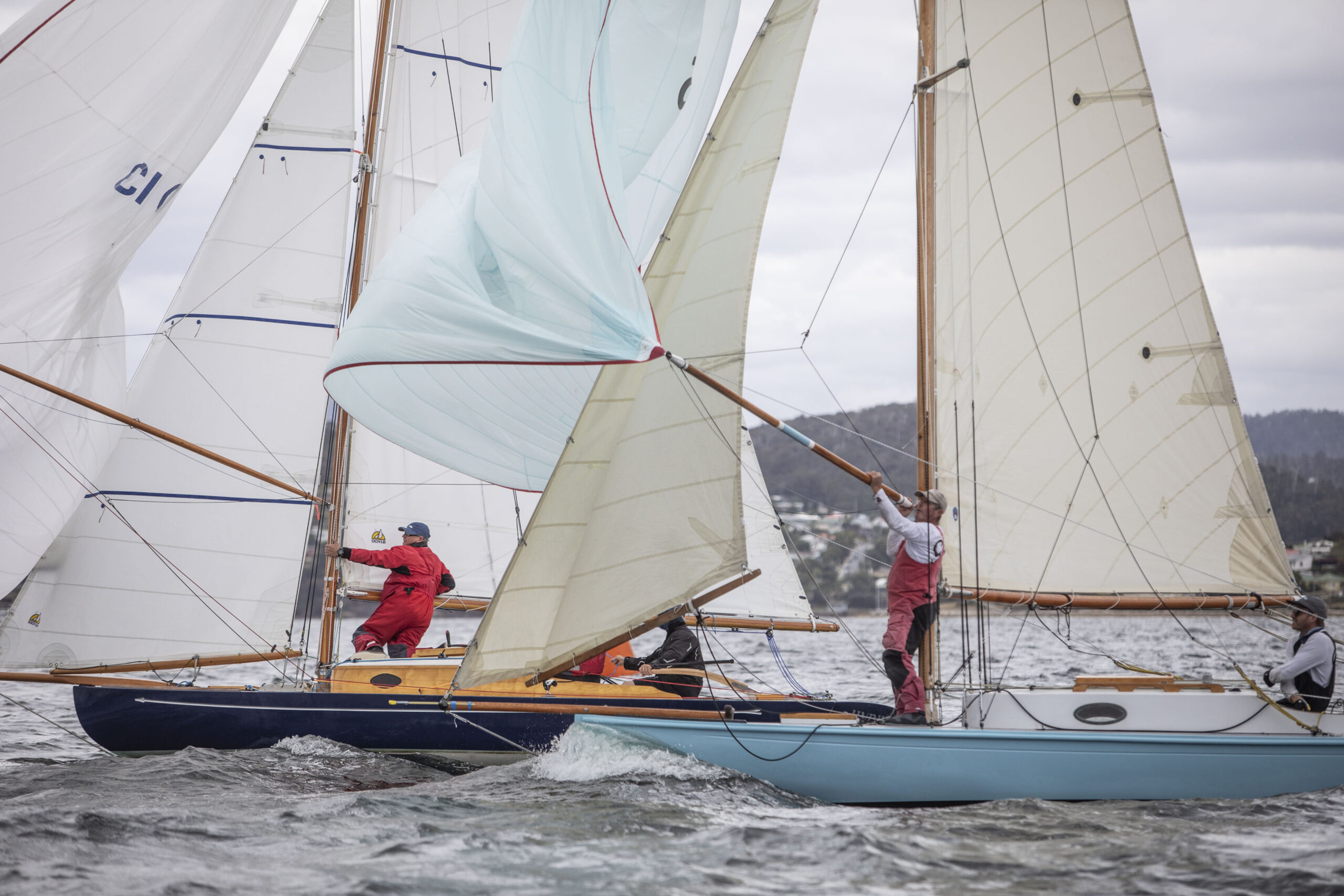
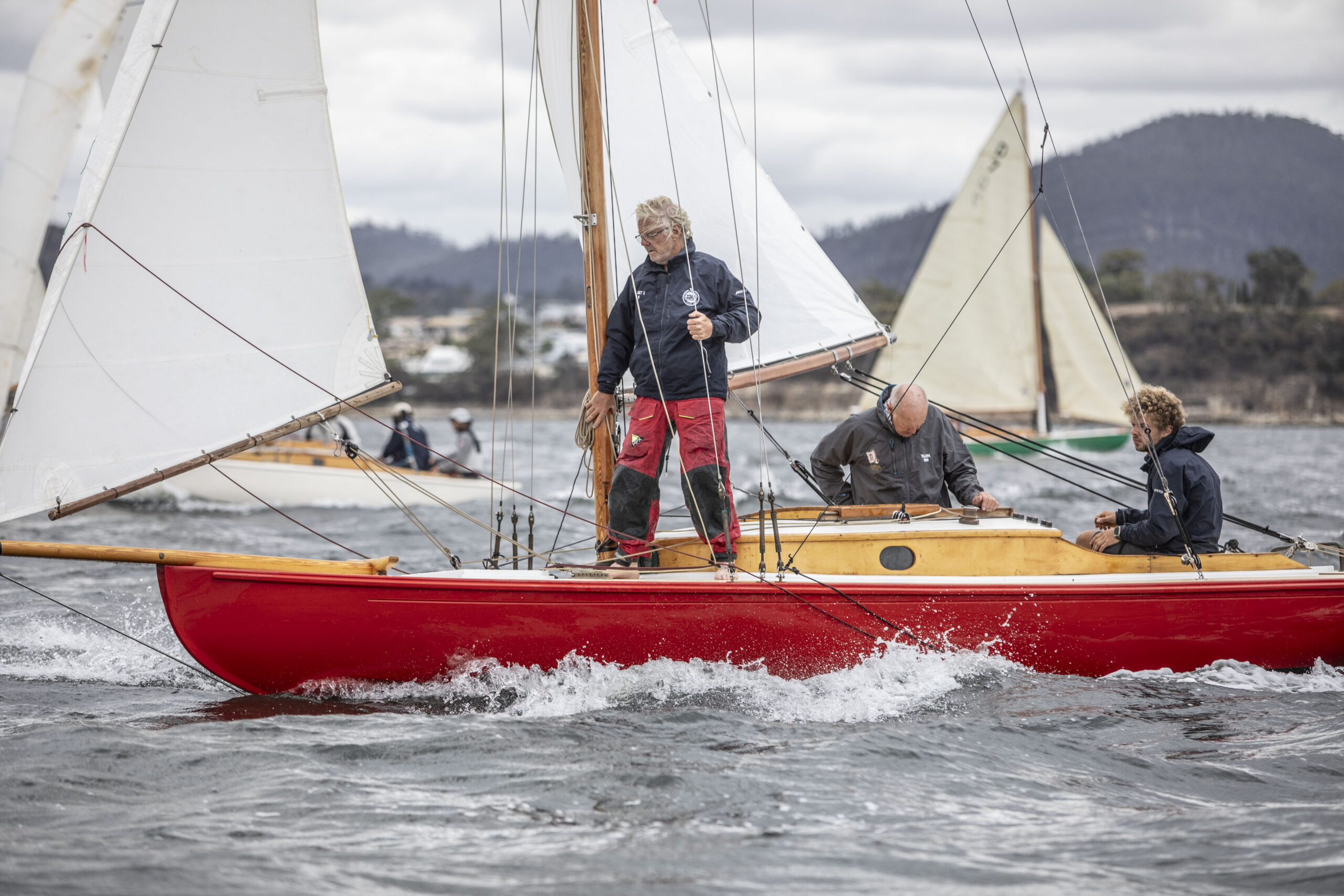
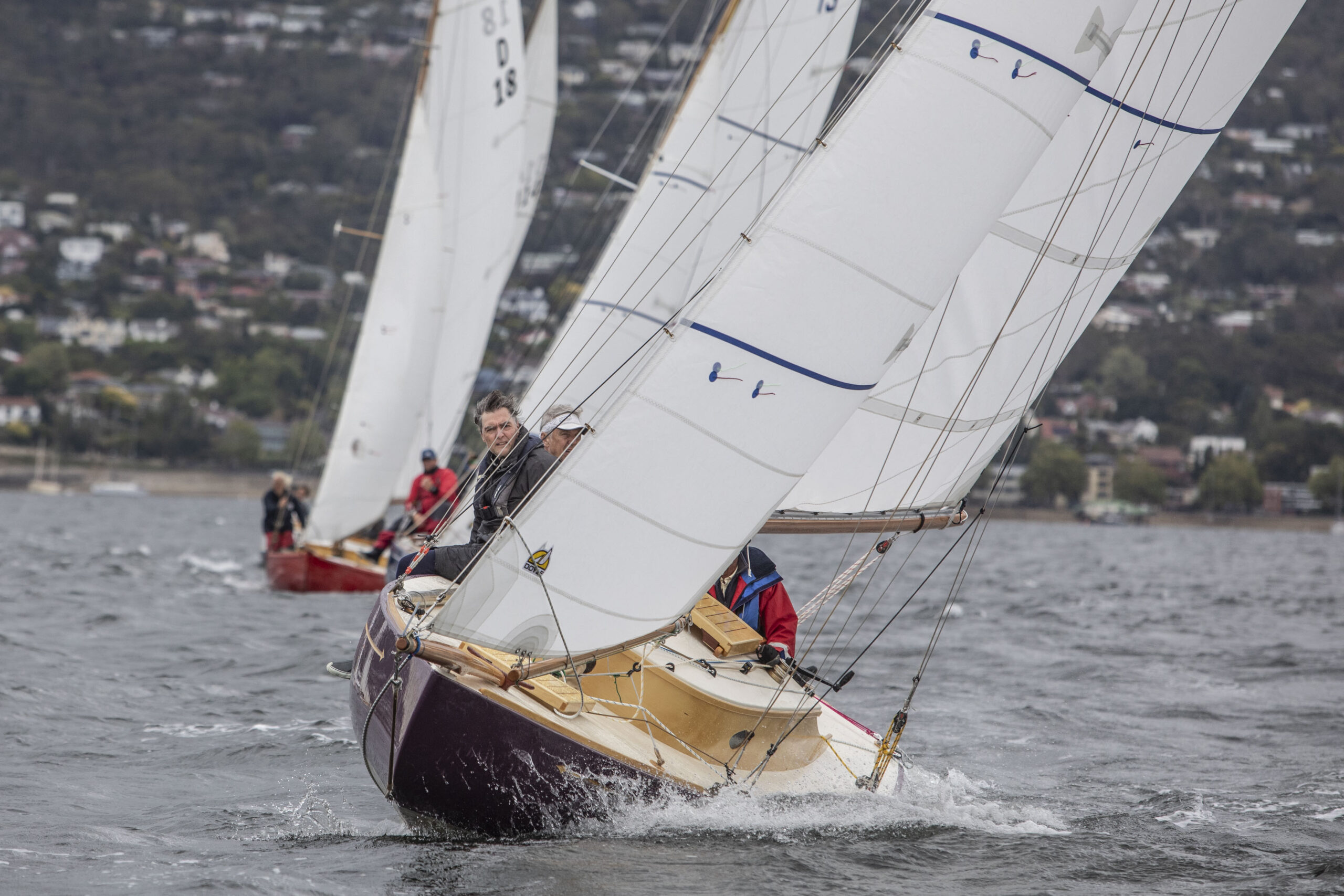
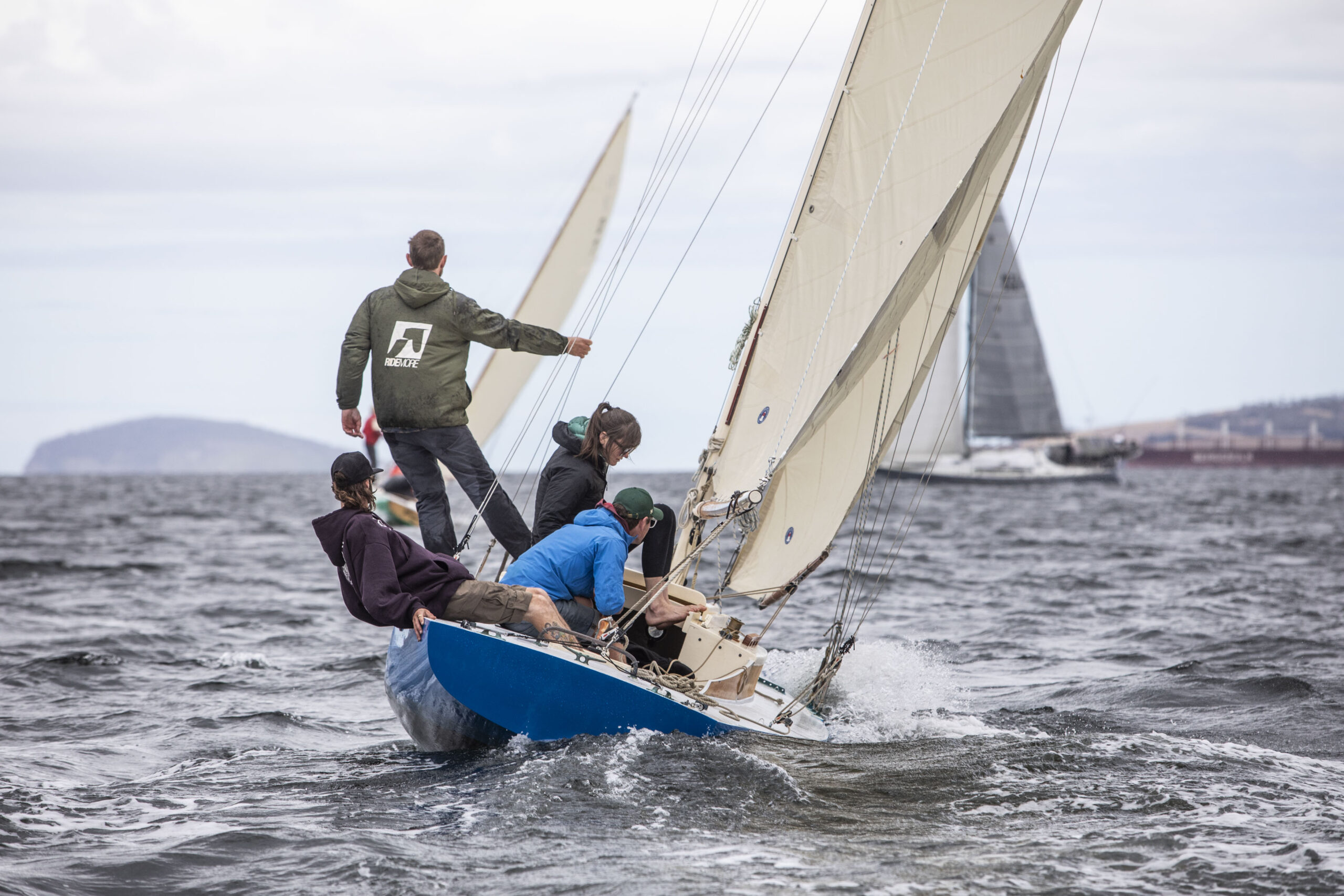
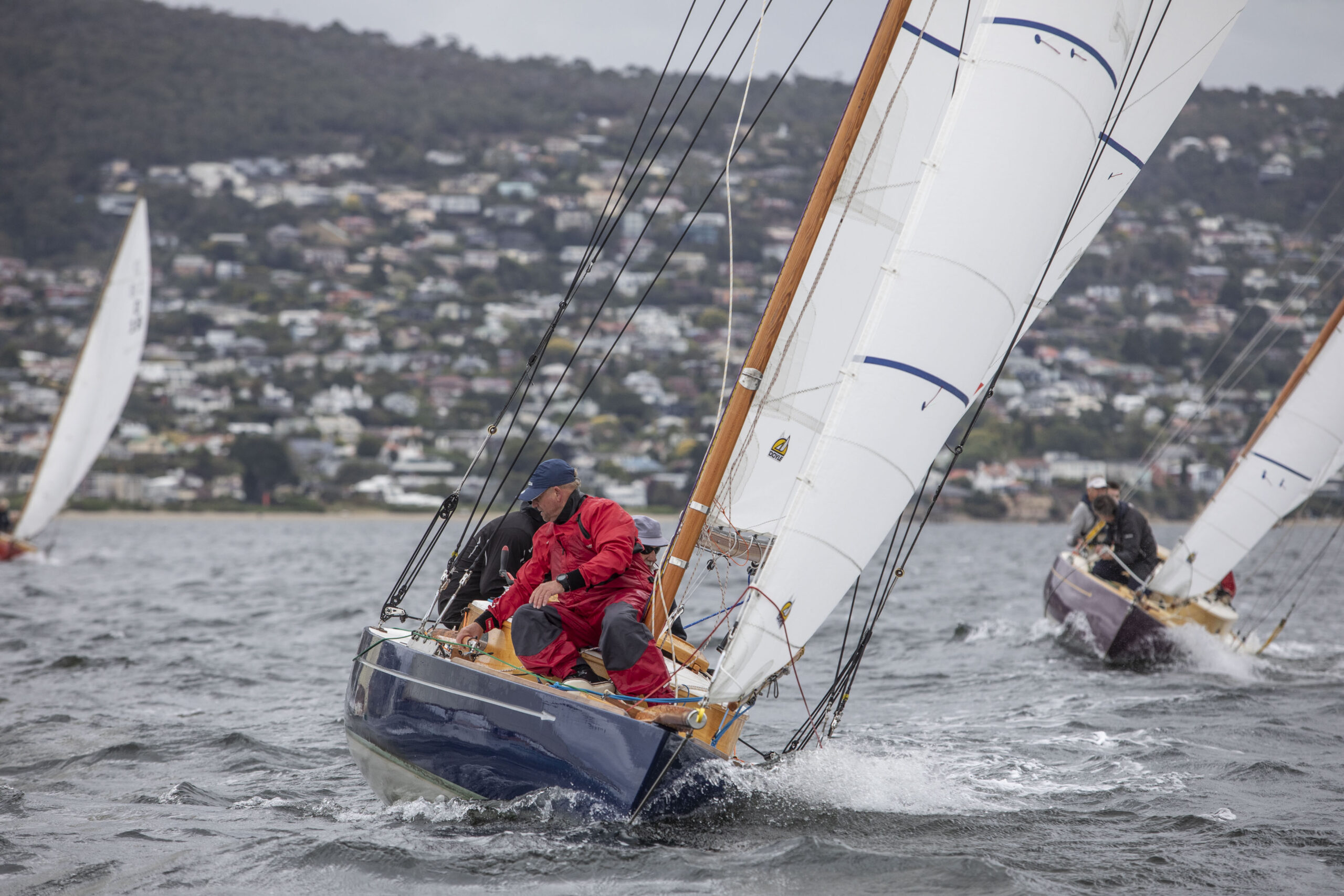
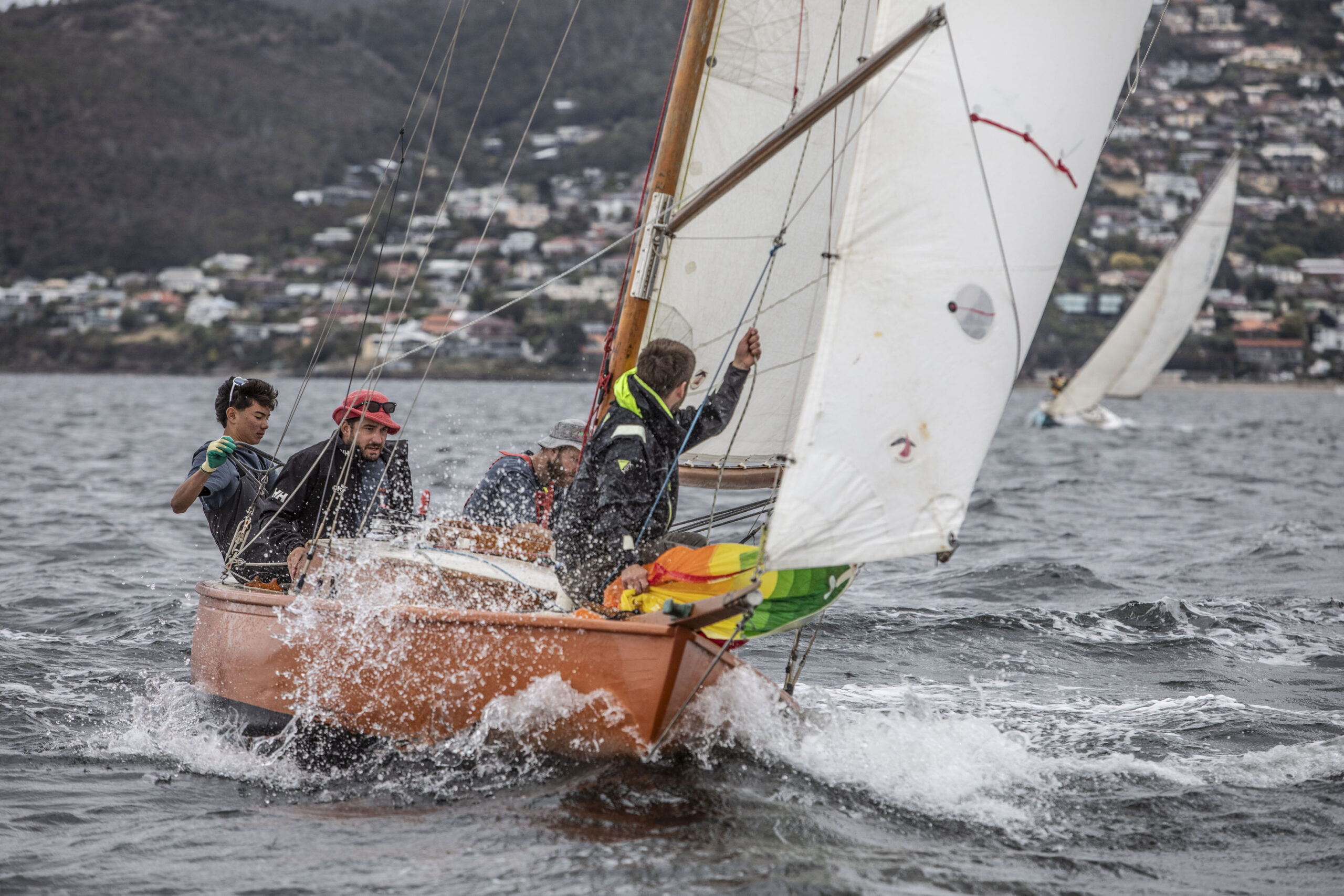
Every Derwent Class yacht follows the original one-design: 24 feet 6 inches long with a 3-foot bowsprit; carvel-planked with a small cabin; and rigged with a generous mainsail, small jib and symmetrical spinnaker. Quick to accelerate and lively on the helm, they were built to be raced hard and loved well.
By the summer of 1928–29, these little wooden yachts were already threading the river with speed and personality. They were quick, honest, and unmistakably Tasmanian.
The D-Class became not just a fleet but a community. Race days were full of good humour and gentle mischief. One skipper famously kept longneck beer bottles tucked into his bilge — 174 of them, according to legend — a detail that captures the camaraderie that has always followed these boats.
For more than sixty years, the D-Class shaped summer on the Derwent. Some yachts were converted for cruising, some slipped quietly out of sight, and some simply waited. But Tasmanian boats have a habit of finding their way home. In recent years, D-Class yachts have returned to sheds, slipways and backyards, welcomed by skilled shipwrights, passionate owners and a community determined to see them sail again.
Naval architect A. C. Barber won, and local sailor Percy Douglas helped shape the design for the moods and manners of the River Derwent — a 190-kilometre river winding from Lake St Clair on Tasmania’s Central Plateau to the river mouth at Hobart’s Storm Bay, where it meets the Tasman Sea.
Before long, the first six boats slid into the water, each named for a figure from mythology — a tradition as colourful and charming as the people who sailed them.
Every Derwent Class yacht follows the original one-design: 24 feet 6 inches long with a 3-foot bowsprit; carvel-planked with a small cabin; and rigged with a generous mainsail, small jib and symmetrical spinnaker. Quick to accelerate and lively on the helm, they were built to be raced hard and loved well.
By the summer of 1928–29, these little wooden yachts were already threading the river with speed and personality. They were quick, honest, and unmistakably Tasmanian.
The D-Class became not just a fleet but a community. Race days were full of good humour and gentle mischief. One skipper famously kept longneck beer bottles tucked into his bilge — 174 of them, according to legend — a detail that captures the camaraderie that has always followed these boats.
For more than sixty years, the D-Class shaped summer on the Derwent. Some yachts were converted for cruising, some slipped quietly out of sight, and some simply waited. But Tasmanian boats have a habit of finding their way home. In recent years, D-Class yachts have returned to sheds, slipways and backyards, welcomed by skilled shipwrights, passionate owners and a community determined to see them sail again.
The Derwent Class Today
Nearly a century after the first D-Class yacht was launched, the fleet is entering a new and energetic chapter. Fourteen boats are now sailing or racing, with several more under active restoration as dedicated custodians, skilled shipwrights, and new generations of sailors return these small wooden yachts to their original one-design form.
From sheds in the Huon Valley to workshops along the D’Entrecasteaux Channel, hulls once thought lost are returning to shape, line, and purpose.
The revival has been strengthened by the Derwent Class Association, led by President Gus McKay, whose energy has helped reconnect sailors of all ages with these lively timber boats. The Association supports restoration projects, encourages youth participation, and maintains strong ties with the Derwent Sailing Squadron, home of the Classic Derwent Class Regatta.
The class is also supported by the Kettering Yacht Club, which hosts much of the fleet’s racing, and Oyster Cove Marina, where dedicated berthing has helped keep the yachts together — a key ingredient in the class’s renewed strength and visibility.
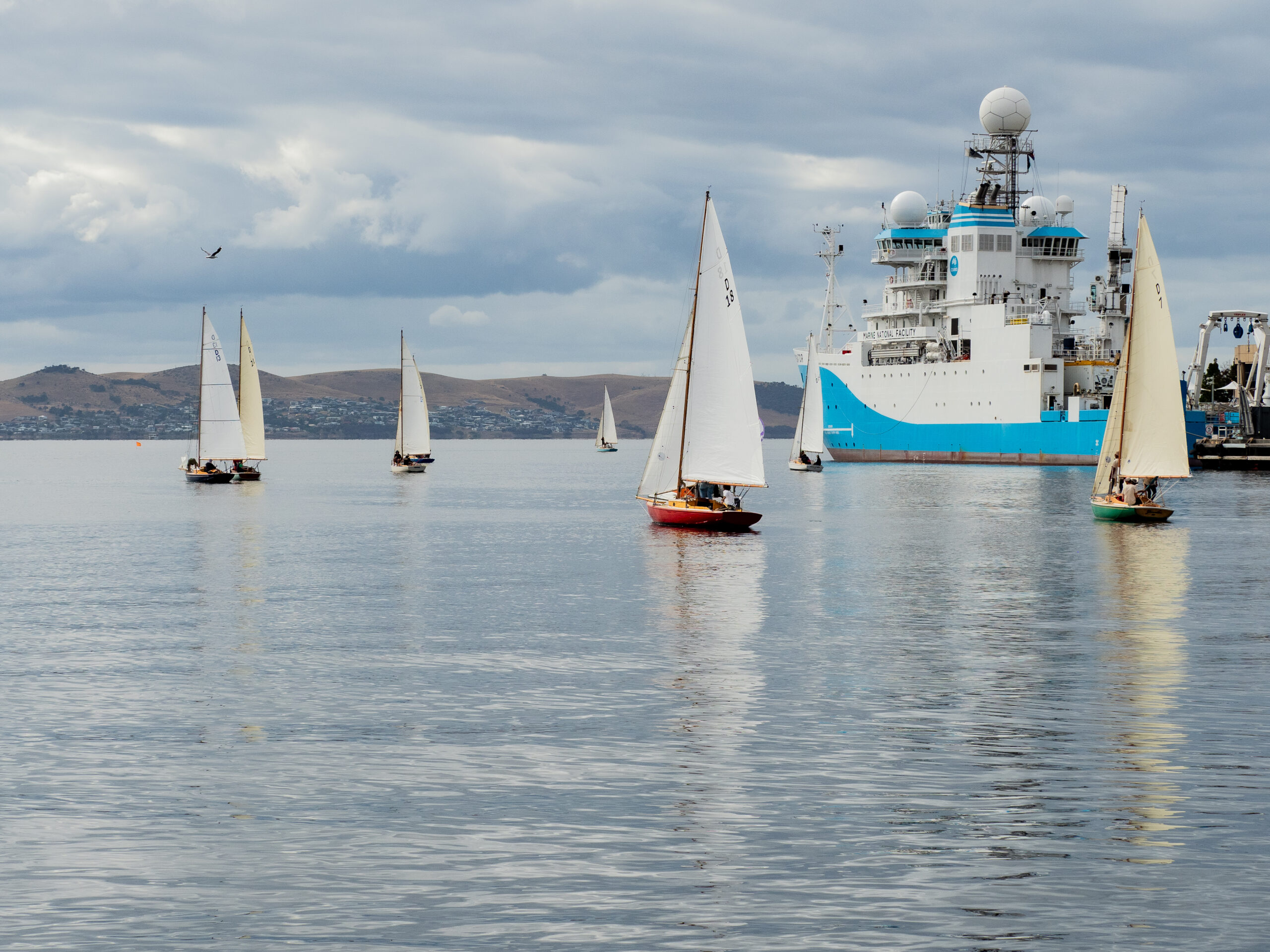
The Australian Wooden Boat Festival has played a joyful part in this resurgence, showcasing the fleet to thousands and celebrating their story through the spirited D-Class “World Championships.”
“At each Australian Wooden Boat Festival we have our World Championships — a bit tongue-in-cheek… chaotic and a little dangerous at times — but everyone comes in with smiles and stories and celebrates in true D-Class fashion.”
— Gus McKay
The festival gives these boats a stage, but it is the community of builders, owners, racers and dreamers who carry the class forward.
The fleet is growing, the story is renewing, and the Derwent Class is sailing confidently into its next century.
From sheds in the Huon Valley to workshops along the D’Entrecasteaux Channel, hulls once thought lost are returning to shape, line, and purpose.
The revival has been strengthened by the Derwent Class Association, led by President Gus McKay, whose energy has helped reconnect sailors of all ages with these lively timber boats. The Association supports restoration projects, encourages youth participation, and maintains strong ties with the Derwent Sailing Squadron, home of the Classic Derwent Class Regatta.
The class is also supported by the Kettering Yacht Club, which hosts much of the fleet’s racing, and Oyster Cove Marina, where dedicated berthing has helped keep the yachts together — a key ingredient in the class’s renewed strength and visibility.
The Australian Wooden Boat Festival has played a joyful part in this resurgence, showcasing the fleet to thousands and celebrating their story through the spirited D-Class “World Championships.”
“At each Australian Wooden Boat Festival we have our World Championships — a bit tongue-in-cheek… chaotic and a little dangerous at times — but everyone comes in with smiles and stories and celebrates in true D-Class fashion.”
— Gus McKay
The festival gives these boats a stage, but it is the community of builders, owners, racers and dreamers who carry the class forward.
The fleet is growing, the story is renewing, and the Derwent Class is sailing confidently into its next century.
Understanding D-Class Sail Numbers
Only twenty official class numbers were originally issued by the Derwent Sailing Squadron. If a yacht left Hobart, its number was often reissued to the next build or assigned to a returning vessel. As a result, today’s sail numbers reflect decades of movement, change and continuity within the fleet.
For example, Norn — originally from Launceston and never having raced in Hobart — did not receive a number during her early life. When she moved from the Tamar River to Kettering in 2023, she adopted the sail number D21, recognising her place in the modern fleet.
These numbering quirks form part of the Derwent Class story — a reminder of how these yachts have travelled, disappeared, reappeared, and been welcomed home again.
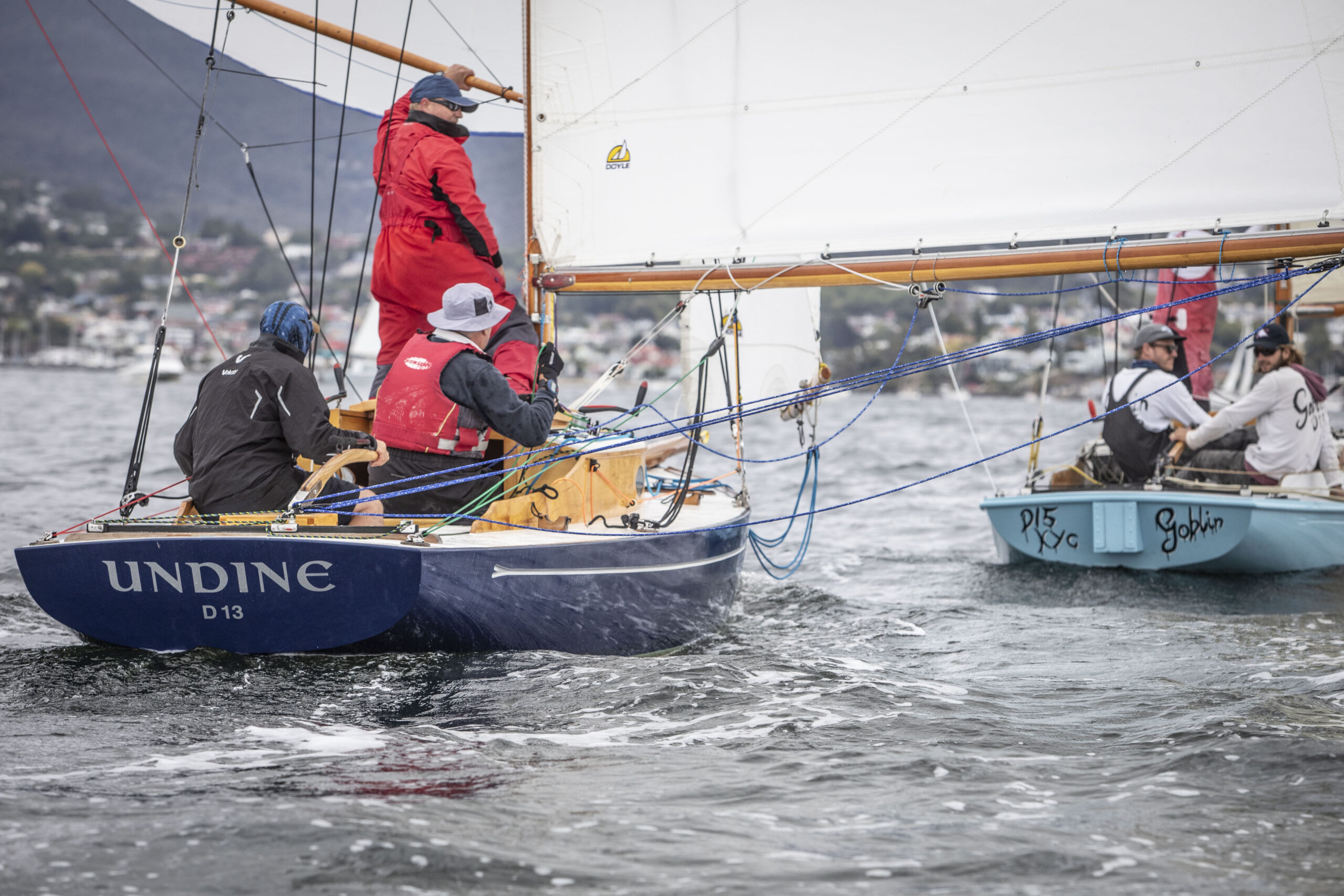
No story has captured imaginations more than the two boats that both lay claim to Undine and the D13 sail number. Records show each yacht carrying parts of Undine’s documented history — renamed, renumbered, refitted, and at times lost from sight.
Both have now returned to the fleet: one restored at the Wooden Boat Centre, the other under careful rebuild at Cygnet Wooden Boats, affectionately known as “Undine Too.”
With the final truth unlikely to be found in paperwork alone, the Derwent Class has proposed a very Tasmanian solution: a race-off.
When both Undines are once again ready to stretch their canvas, the fleet will let the river decide which one truly holds the name.
Know a detail, a rumour, or a forgotten tale of Undine?
Contact the Derwent Class Association.
For example, Norn — originally from Launceston and never having raced in Hobart — did not receive a number during her early life. When she moved from the Tamar River to Kettering in 2023, she adopted the sail number D21, recognising her place in the modern fleet.
These numbering quirks form part of the Derwent Class story — a reminder of how these yachts have travelled, disappeared, reappeared, and been welcomed home again.
No story has captured imaginations more than the two boats that both lay claim to Undine and the D13 sail number. Records show each yacht carrying parts of Undine’s documented history — renamed, renumbered, refitted, and at times lost from sight.
Both have now returned to the fleet: one restored at the Wooden Boat Centre, the other under careful rebuild at Cygnet Wooden Boats, affectionately known as “Undine Too.”
With the final truth unlikely to be found in paperwork alone, the Derwent Class has proposed a very Tasmanian solution: a race-off.
When both Undines are once again ready to stretch their canvas, the fleet will let the river decide which one truly holds the name.
Know a detail, a rumour, or a forgotten tale of Undine?
Contact the Derwent Class Association.
Status of the Fleet (2025)
Active / Sailing (14)
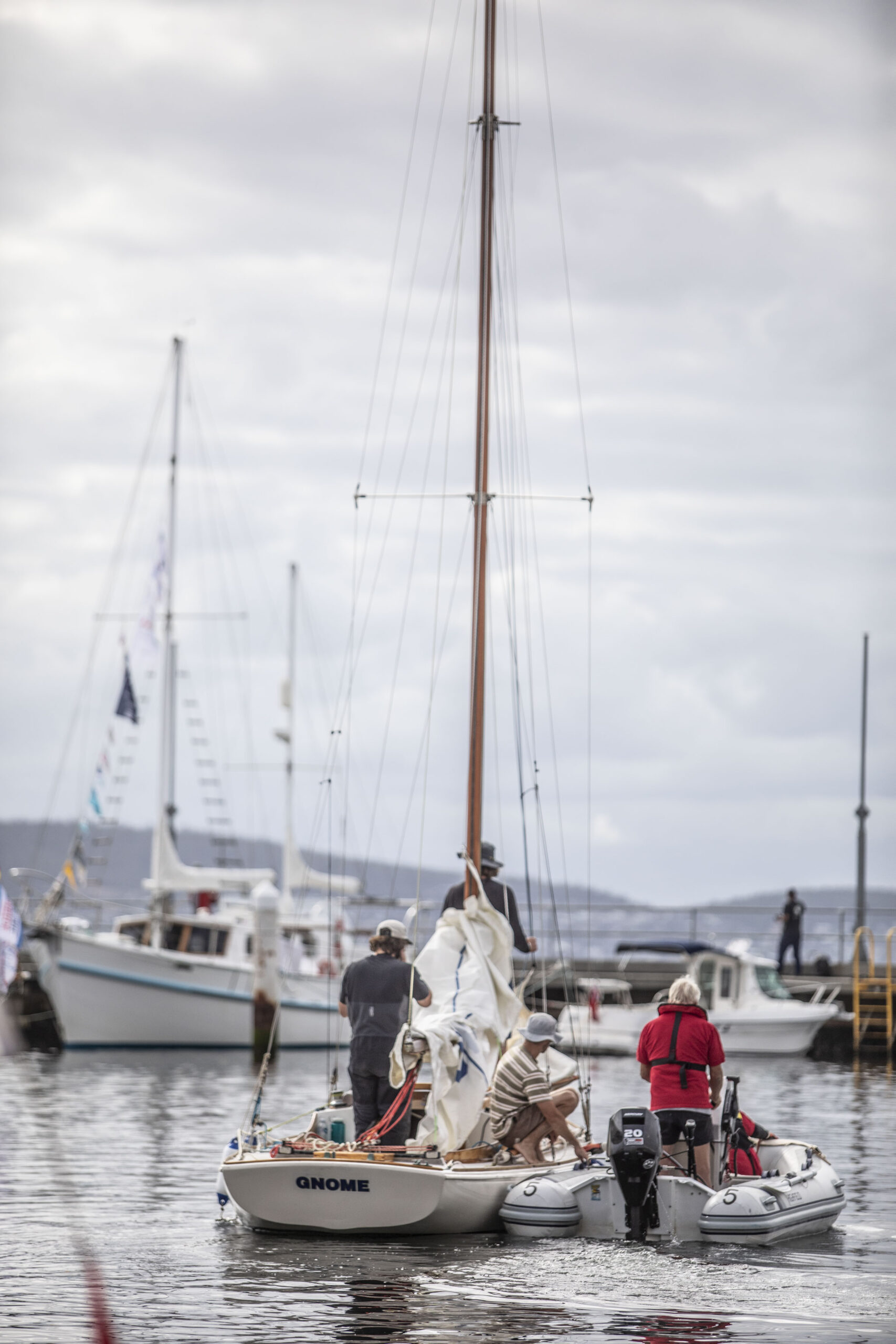
Thirteen are based at Kettering with the Kettering Yacht Club fleet and one (Wendy D5) at Geilston Bay.- Gnome (D2)
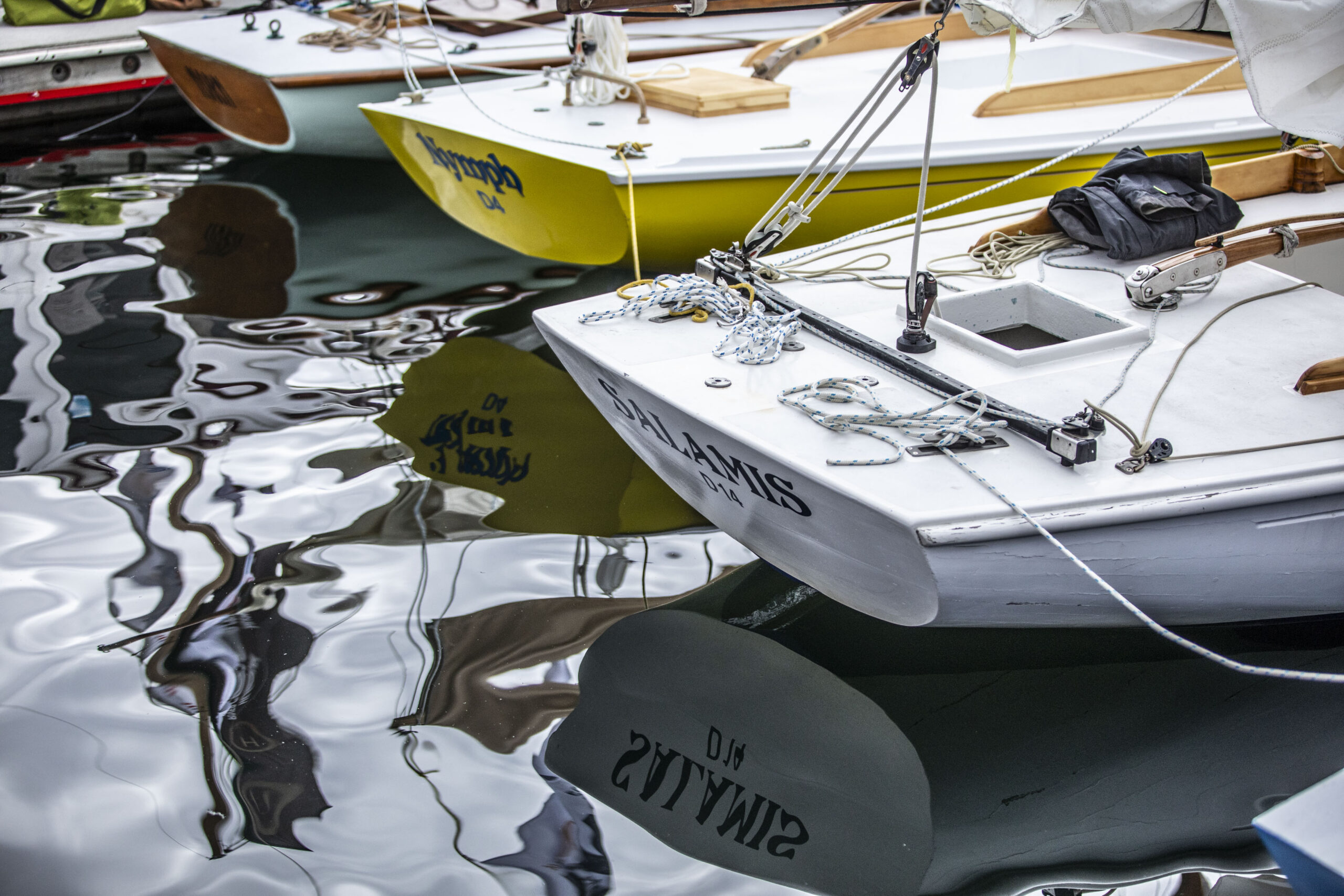
- Nymph (D4)
- Wendy (D5)
- Gremlin (D7)
- Pim (D9)
- Titania (D10)
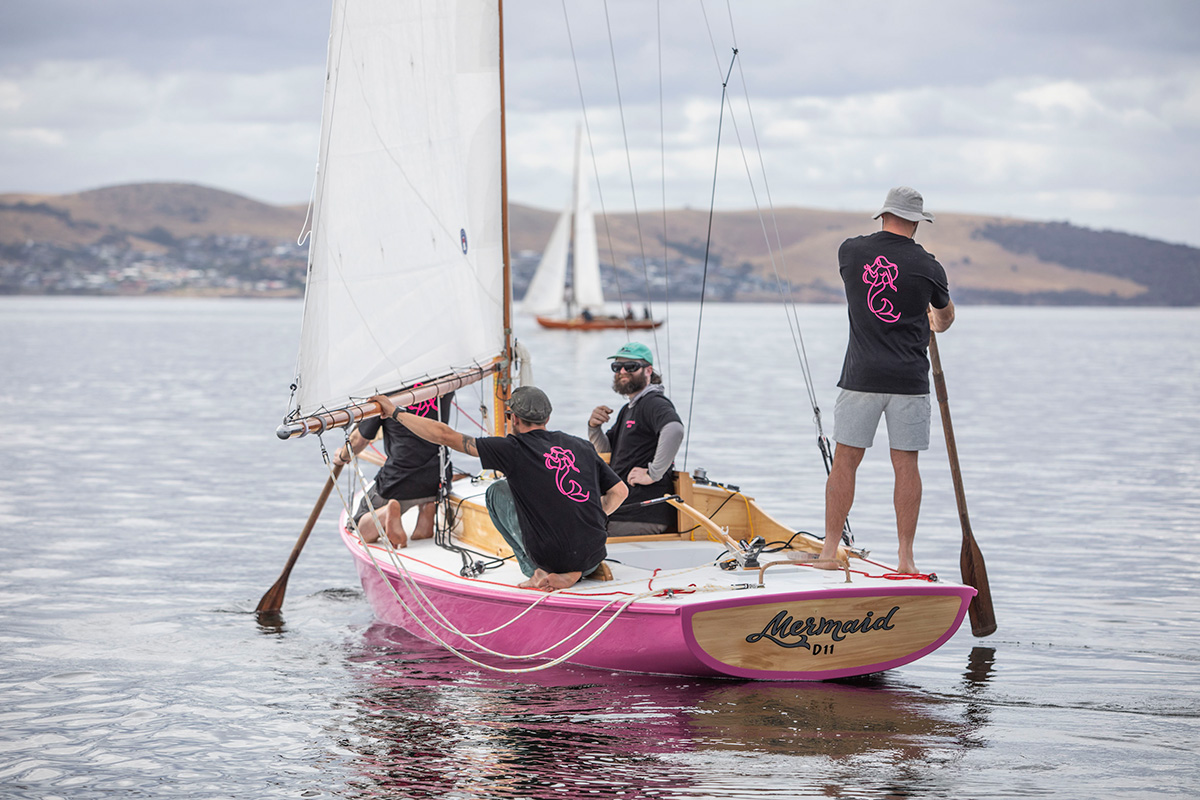
- Mermaid (D11)
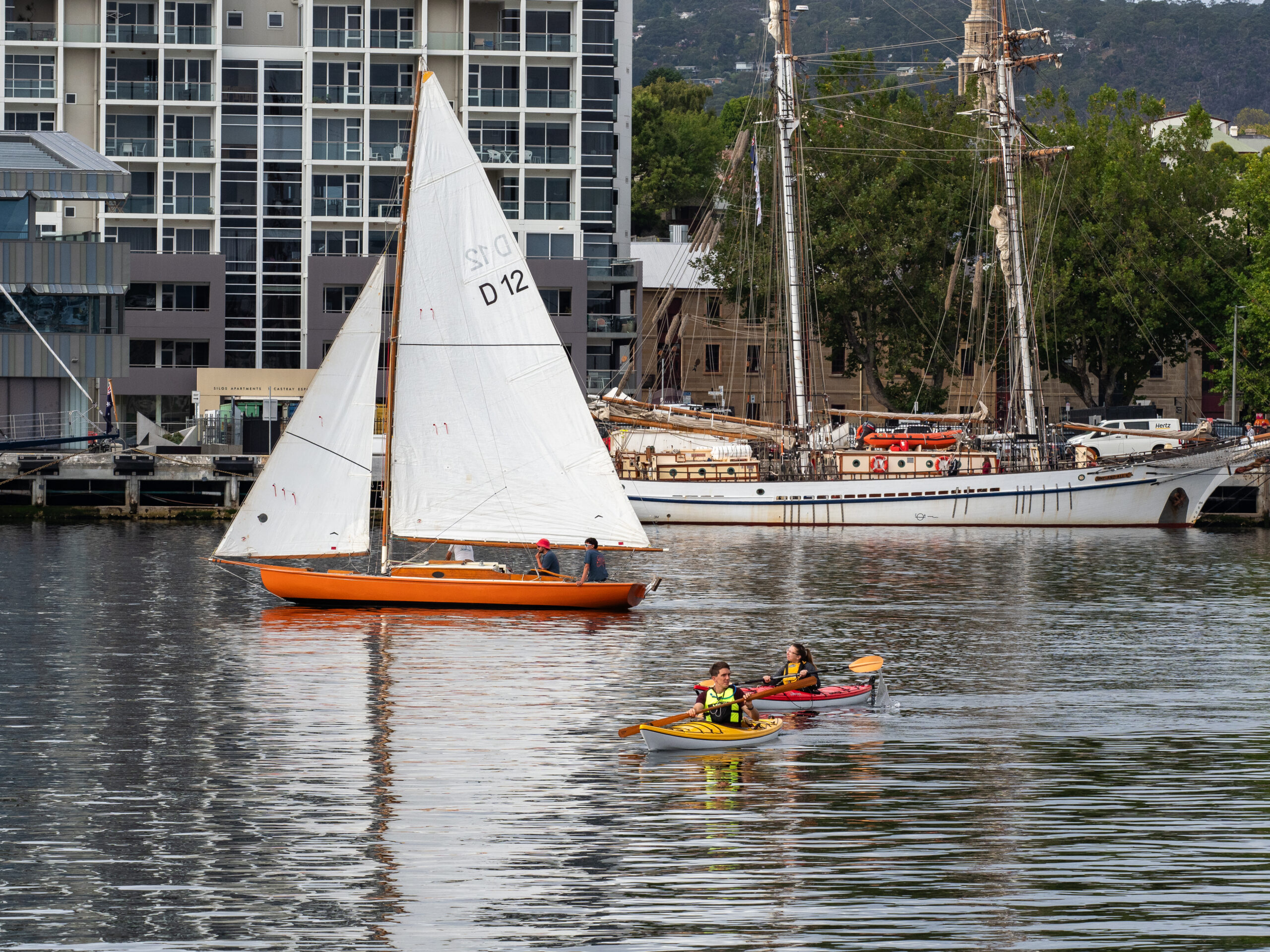
- Janus (D12)
- Undine (D13)
- Salamis (D14)
- Goblin (D15)
- Merlin (D18)
- Minerva (D20)
- Norn (D21)
Under Restoration (4)
- Clytie (D3) – The Wooden Boat Centre
- Pixie (D6) – Jonathan Minnebo Design
- Undine (D13, “Undine Too”) – Cygnet Wooden Boats
- Peri (D16) – Tasmanian Shipwrights & Co.
Historic / Unconfirmed Status
- Imp (D1) – Fate unknown
- Elphin (D3) – Modified as a cruising yacht, Hobart
- Sprite (D5) – Sold to Sydney, history unknown
- Medea (D6) – History unknown
- Peter Pan (D8) – Destroyed
- Sylph (D8) – Sold to Sydney, history unknown
- Sabrina (D9) – Sold to the Royal Australian Navy, Jervis Bay (NSW), history unknown
- Nereid (D10) – Located in Goolwa (South Australia), modified and sailing
- Geni (D17)
- Bluebird (D19)
2025 AWBF Derwent Class Gallery
-
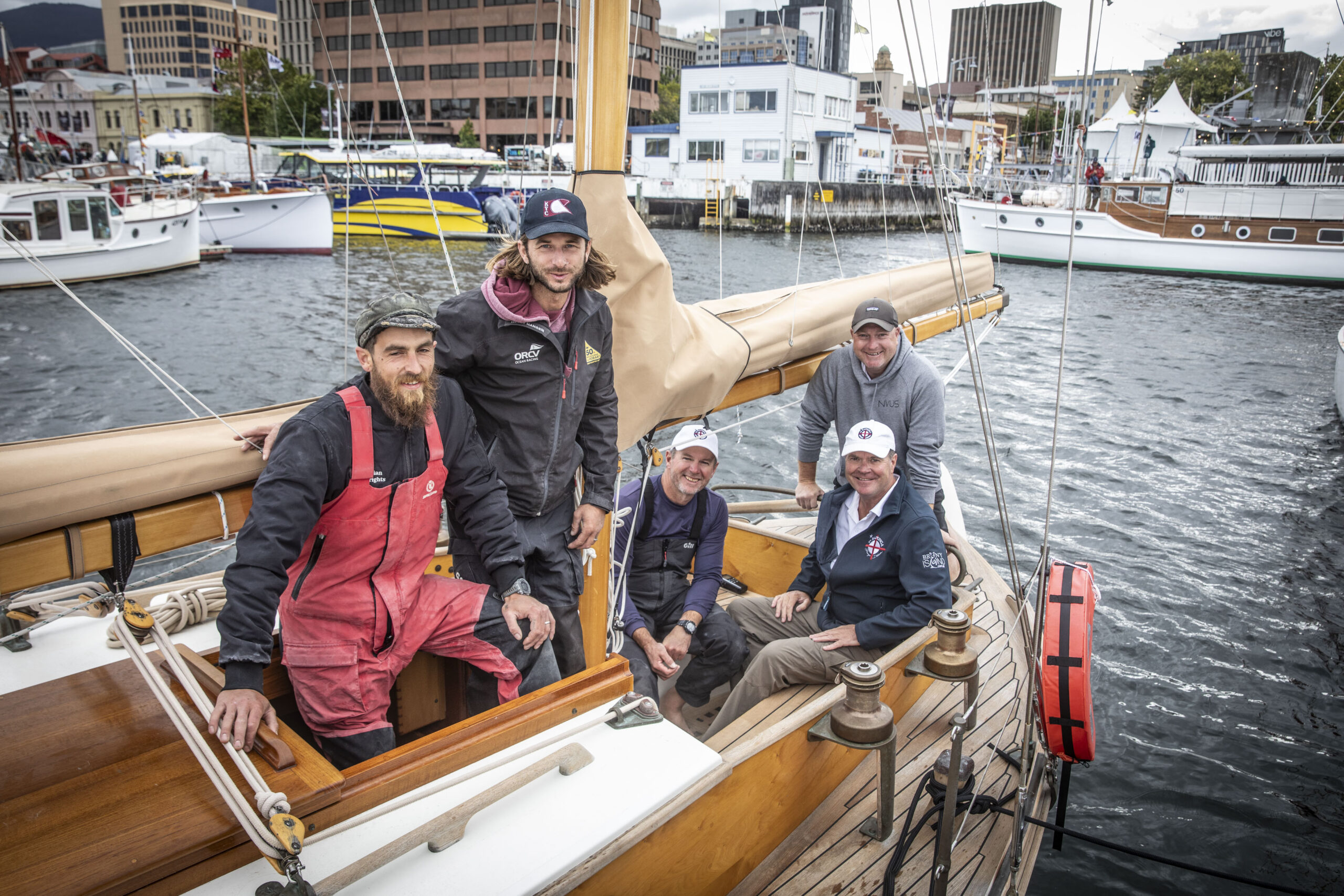
- Credit: Mark Chew
-
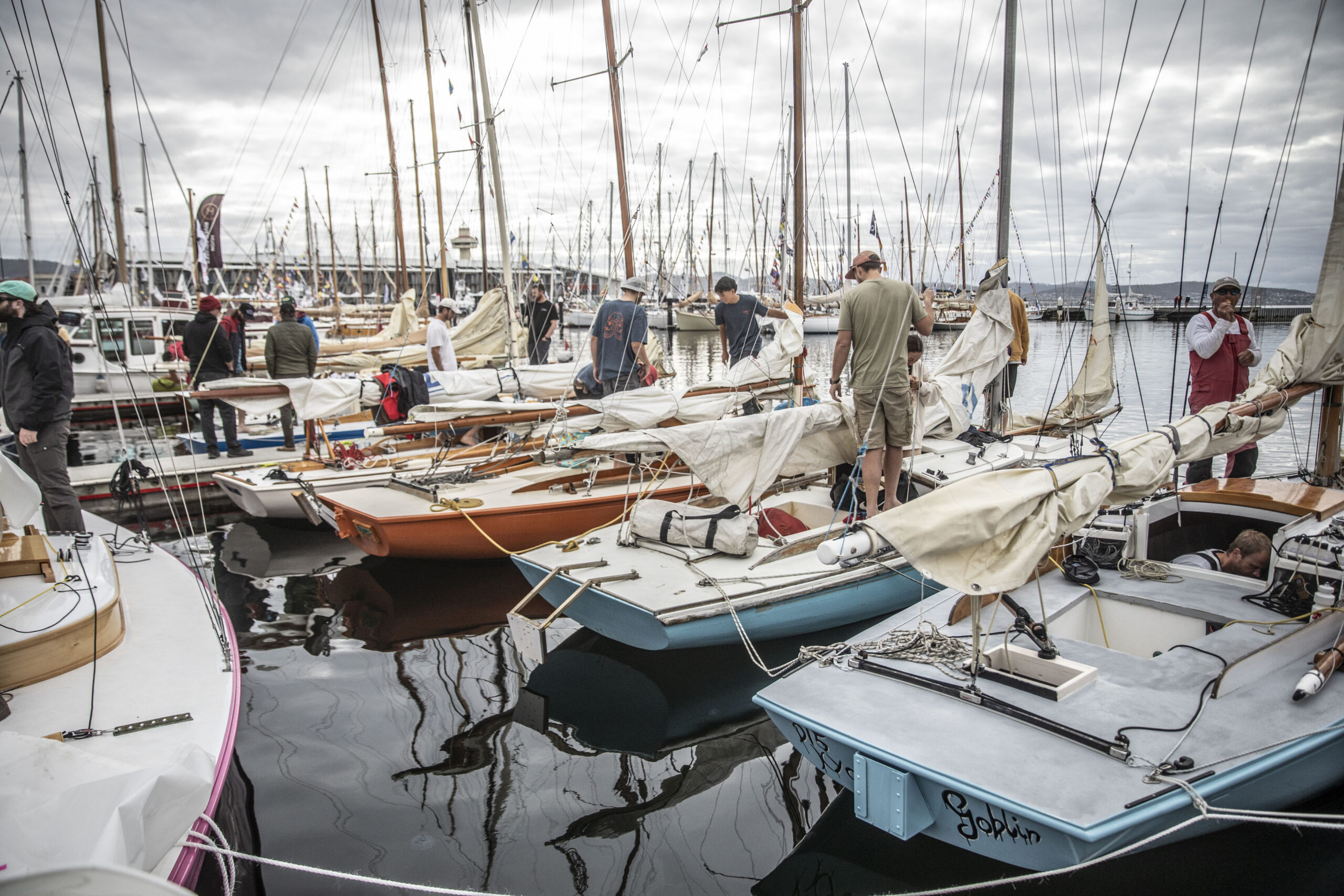

- Credit: Mark Chew
-
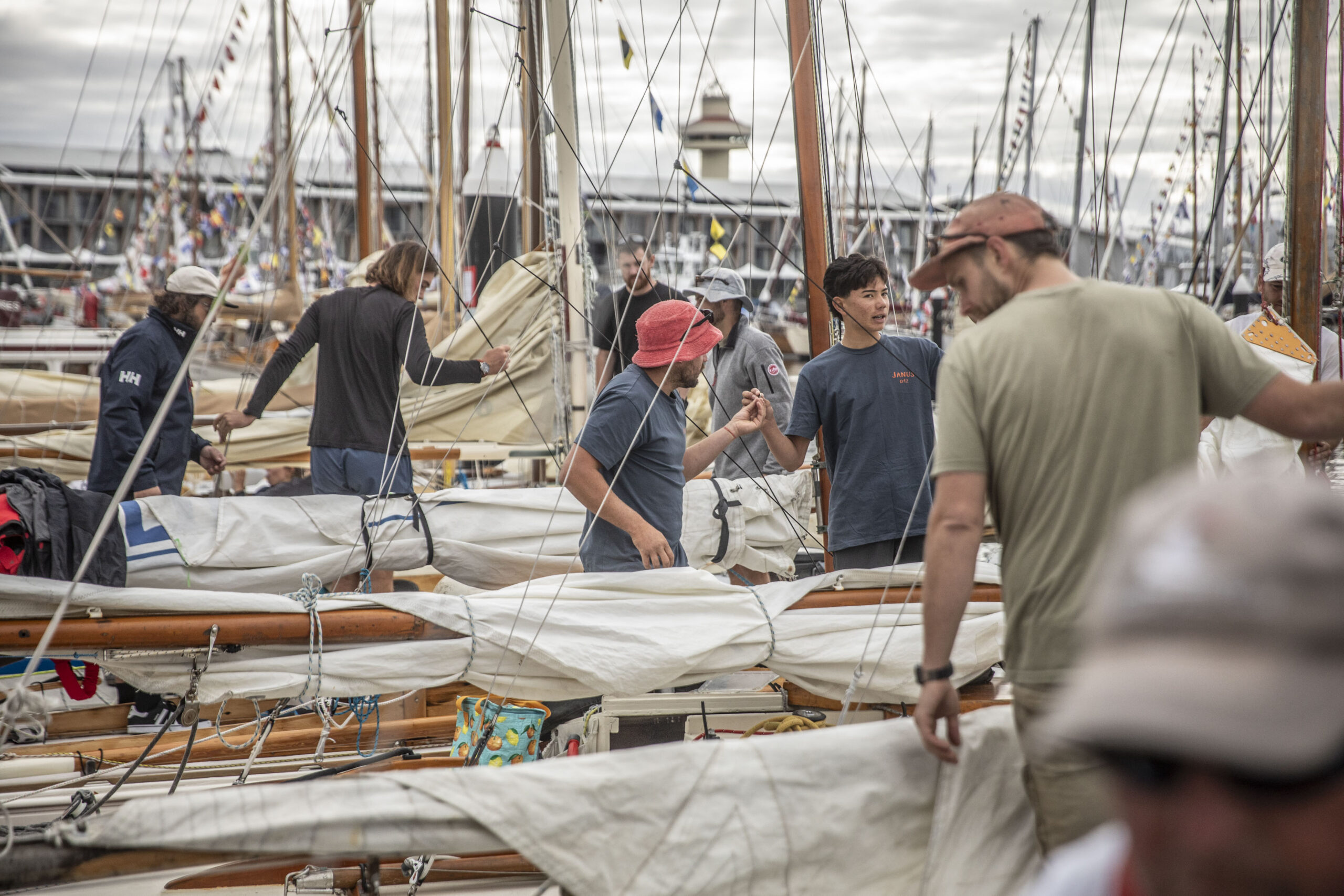
- Credit: Mark Chew
-
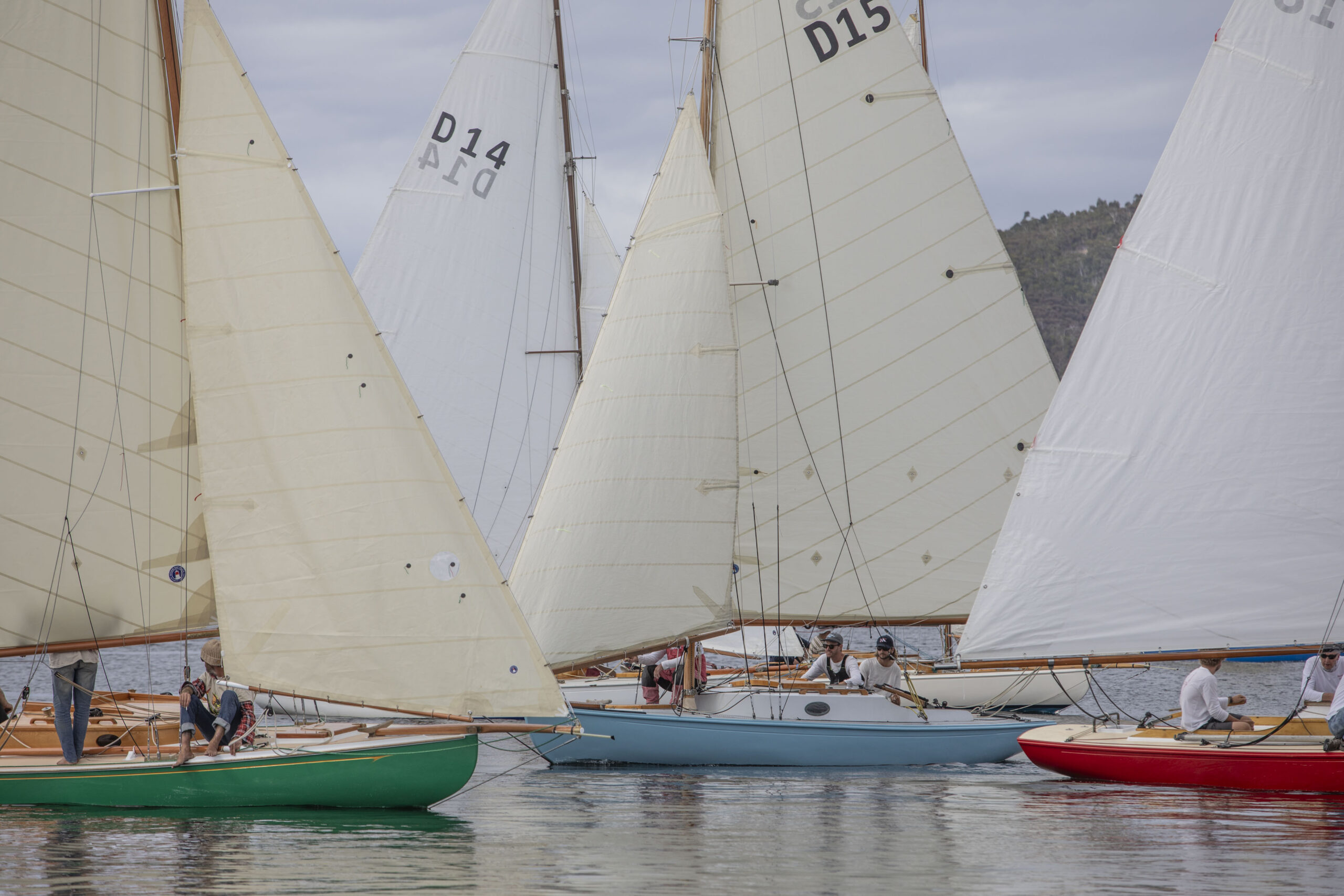
- Credit: Mark Chew
-
- Credit: Mark Chew
-

- Credit: Mark Chew
-

- Credit: Ben Cunningham
-
- Credit: Ben Cunningham
-
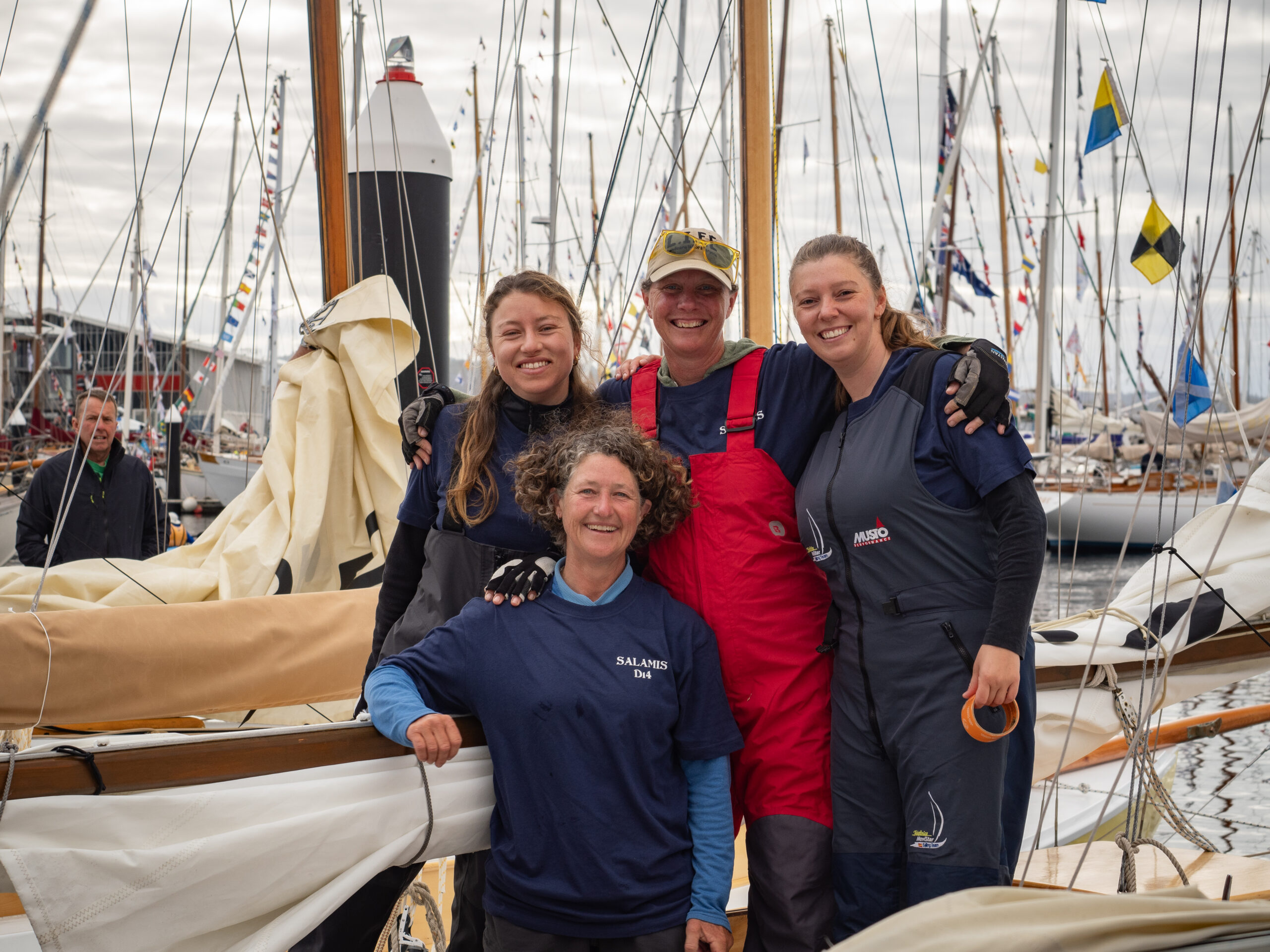
- Credit: Ben Cunningham
-


- Credit: Mark Chew
-
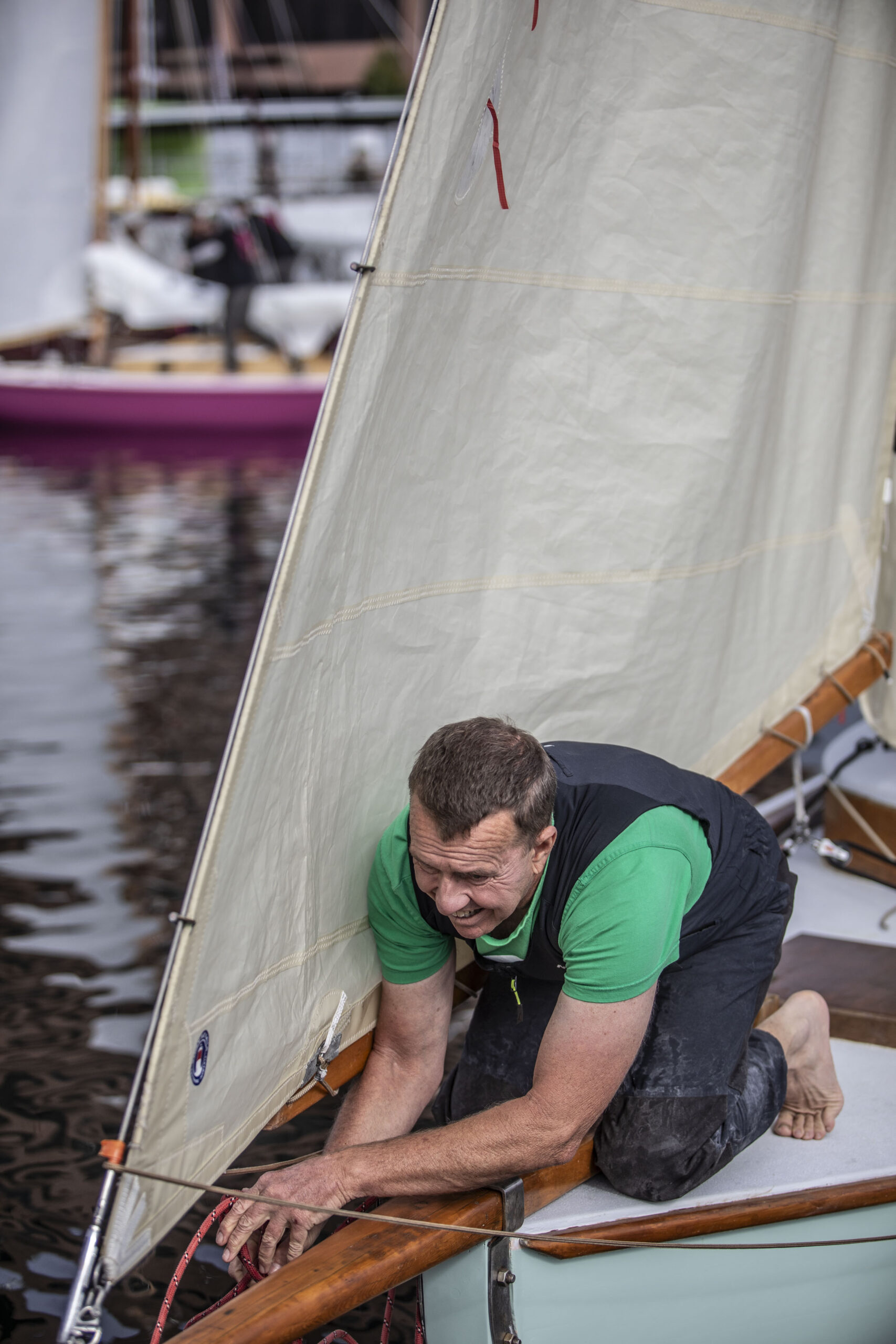
- Credit: Mark Chew
-
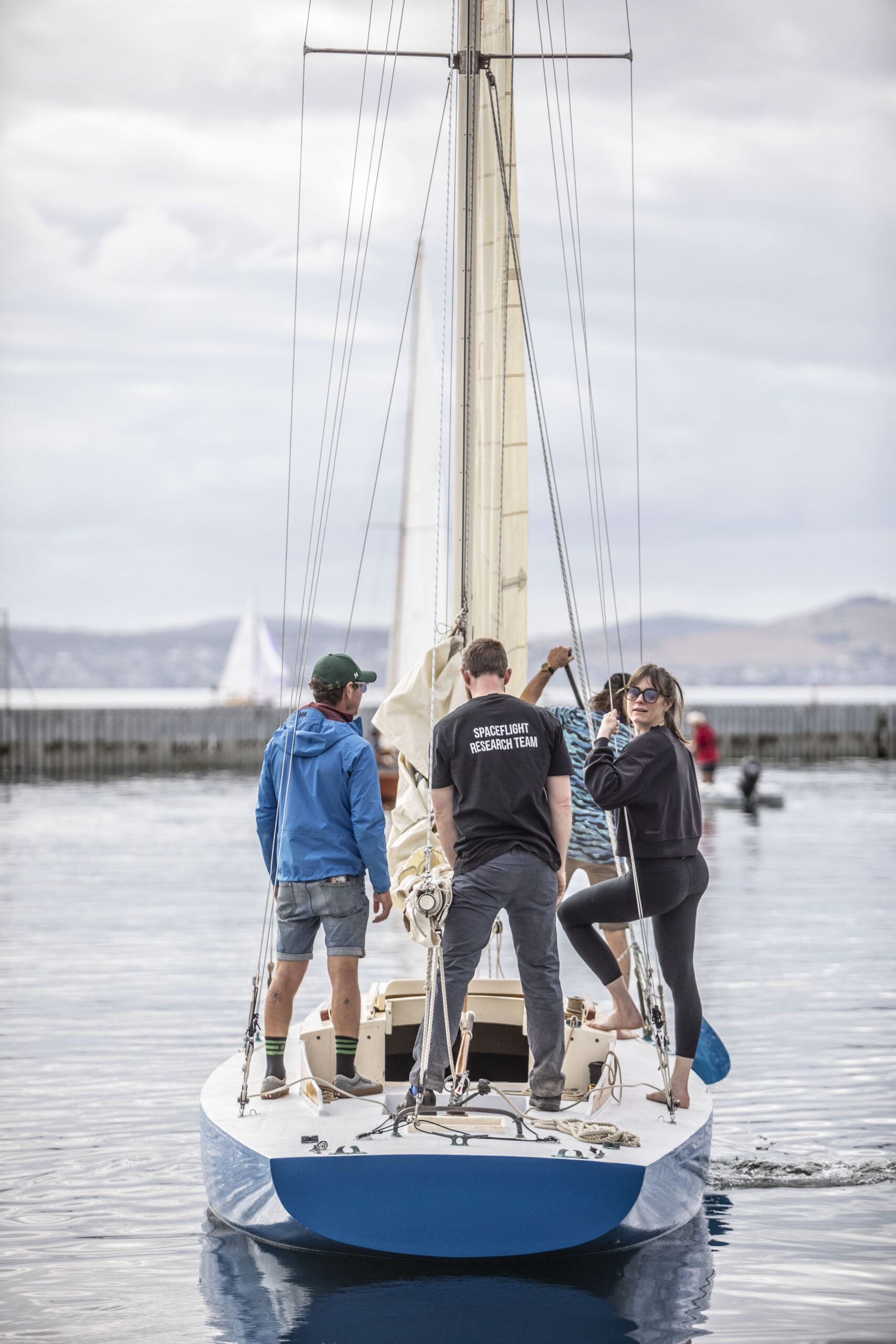
- Credit: Mark Chew
-
- Credit: Mark Chew
-
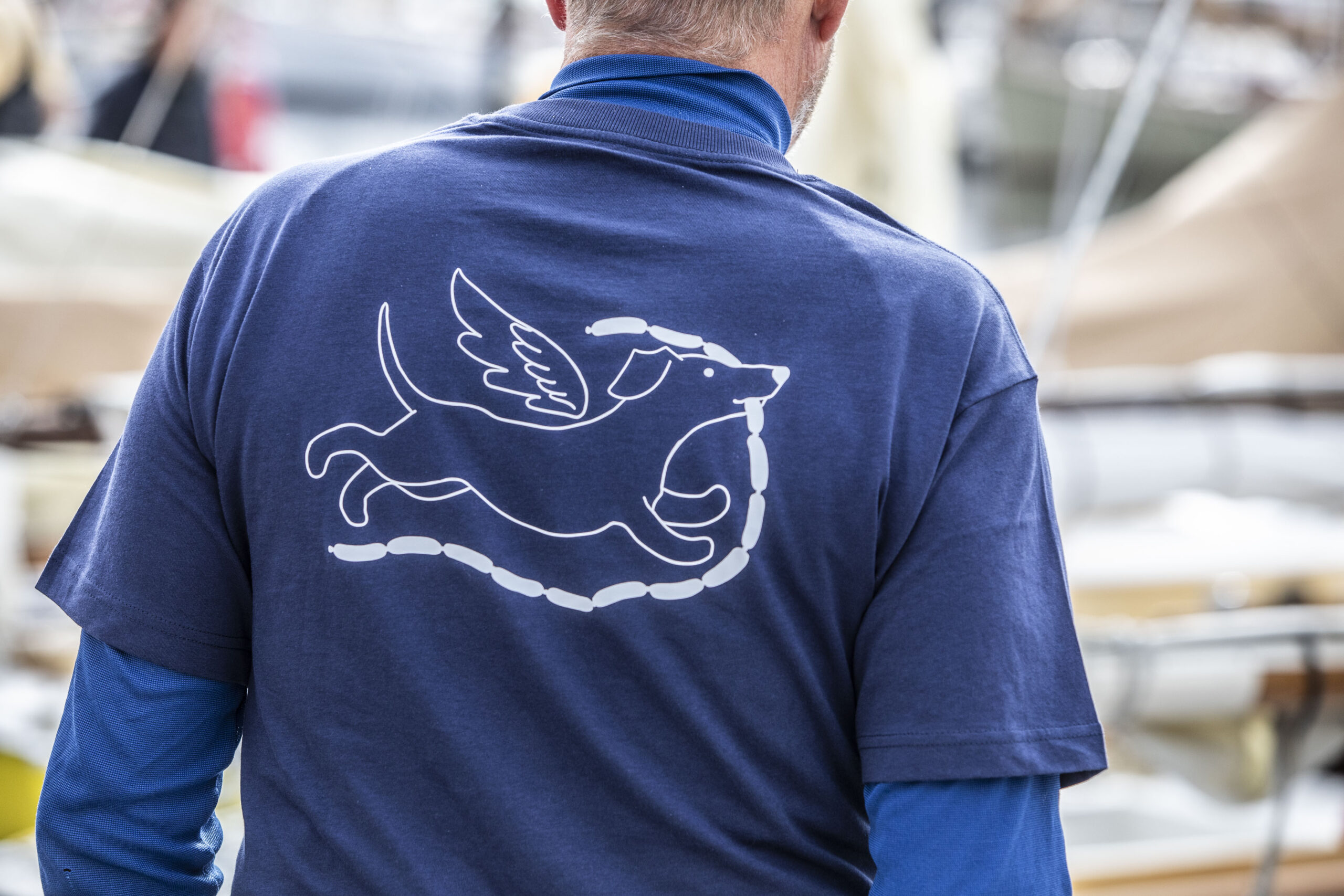
- Credit: Mark Chew
-
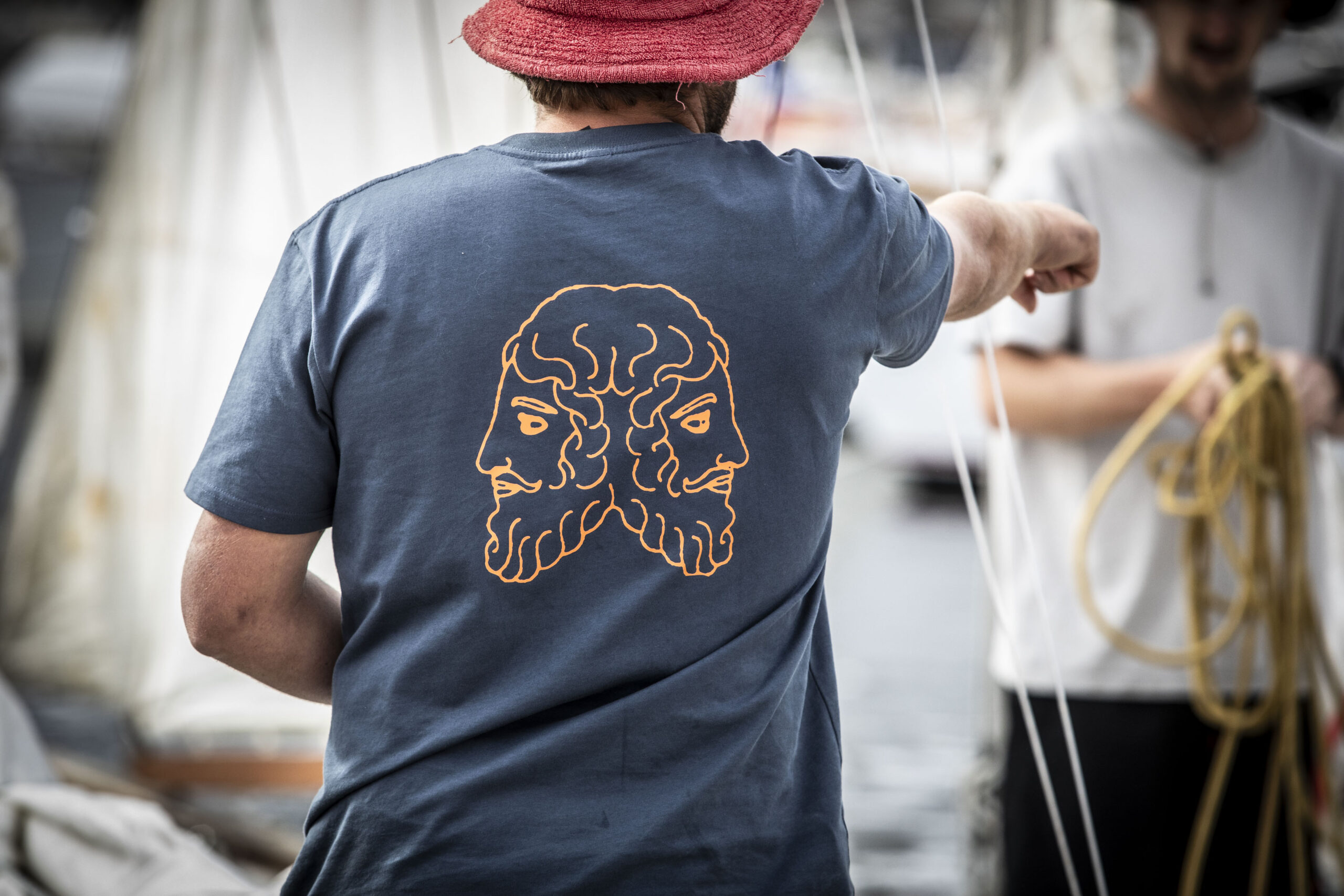
- Credit: Mark Chew
-
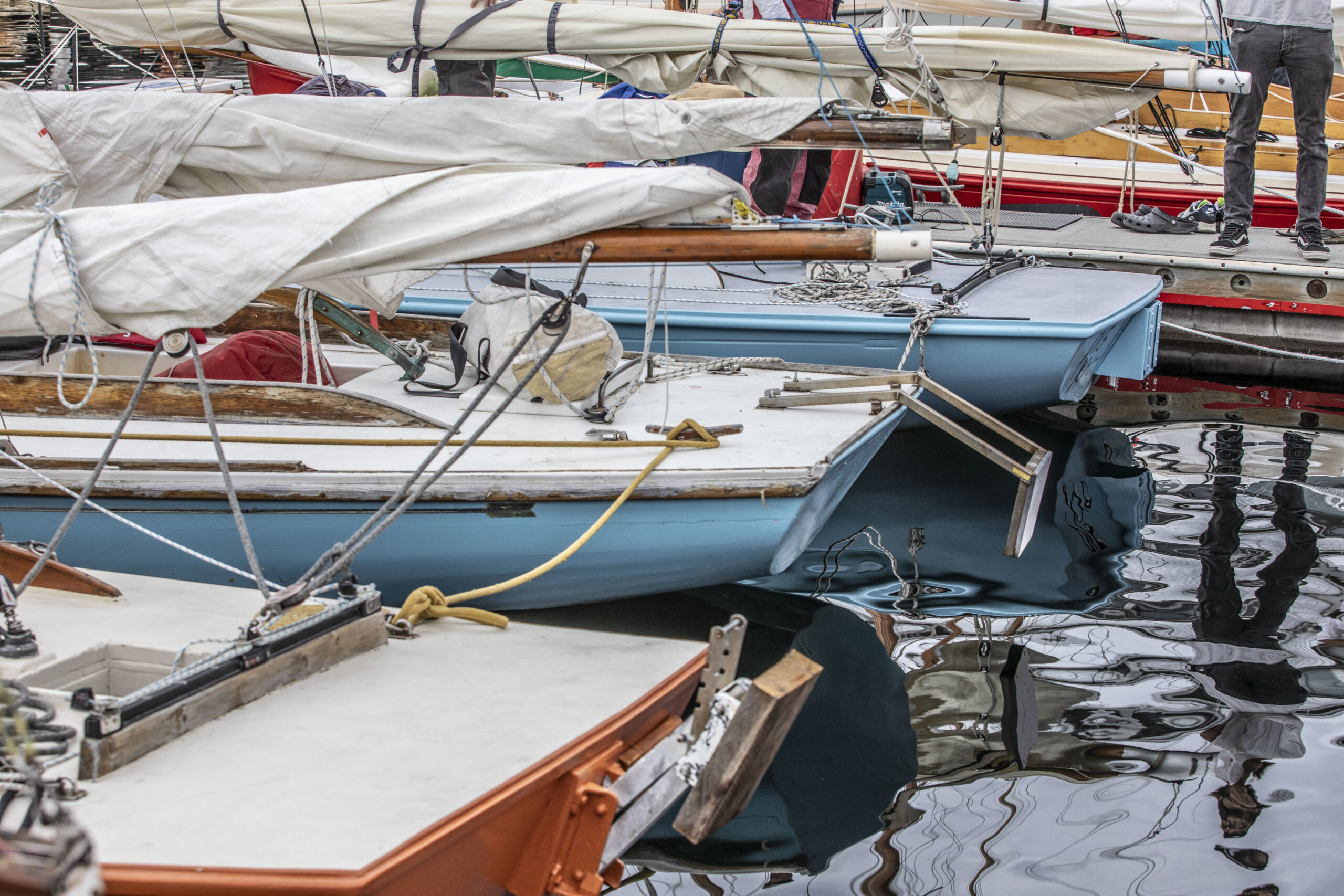
- Credit: Mark Chew
-
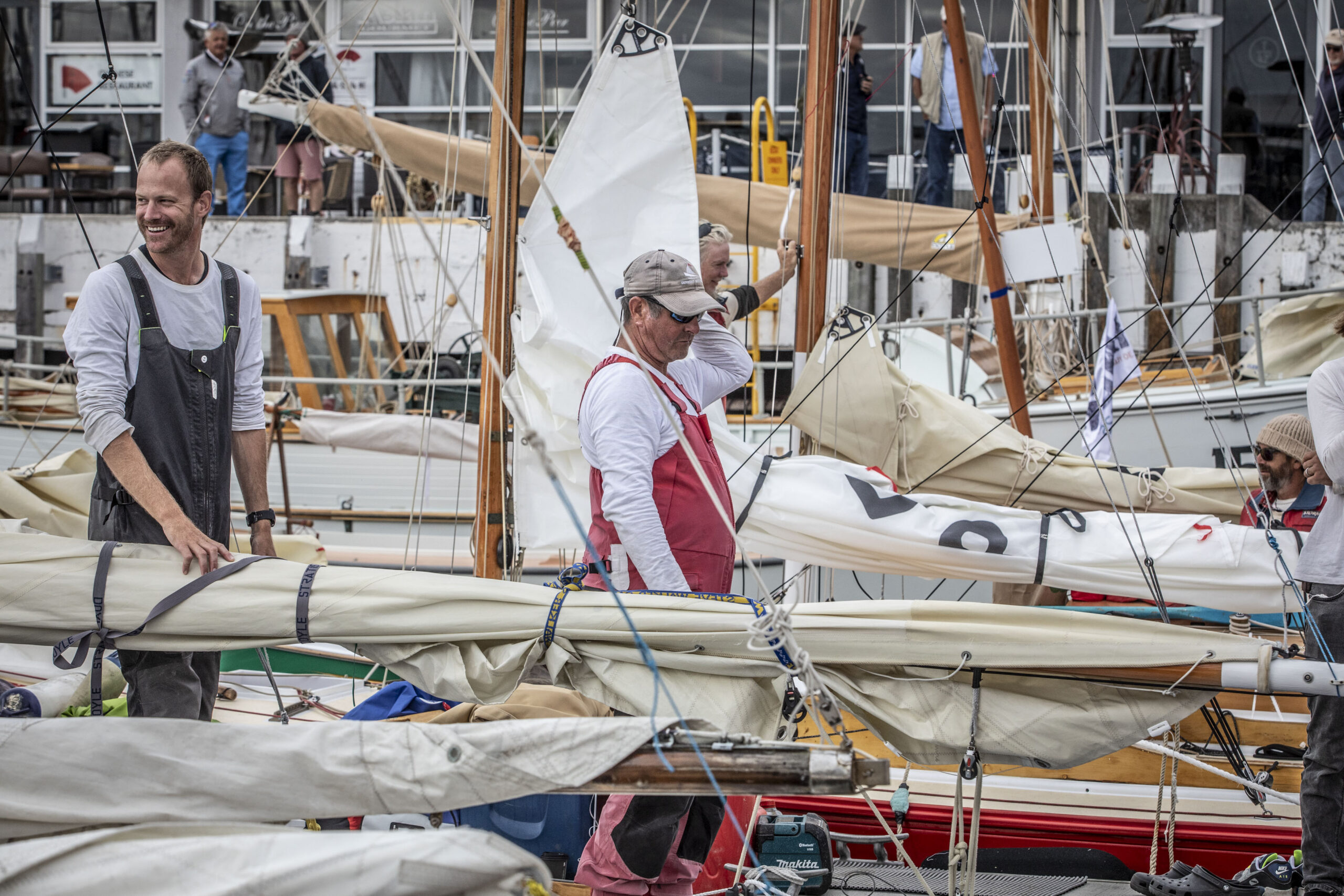
- Credit: Mark Chew
-
- Credit: Mark Chew
-
- Credit: Mark Chew
-
- Credit: Mark Chew
-
- Credit: Mark Chew
-
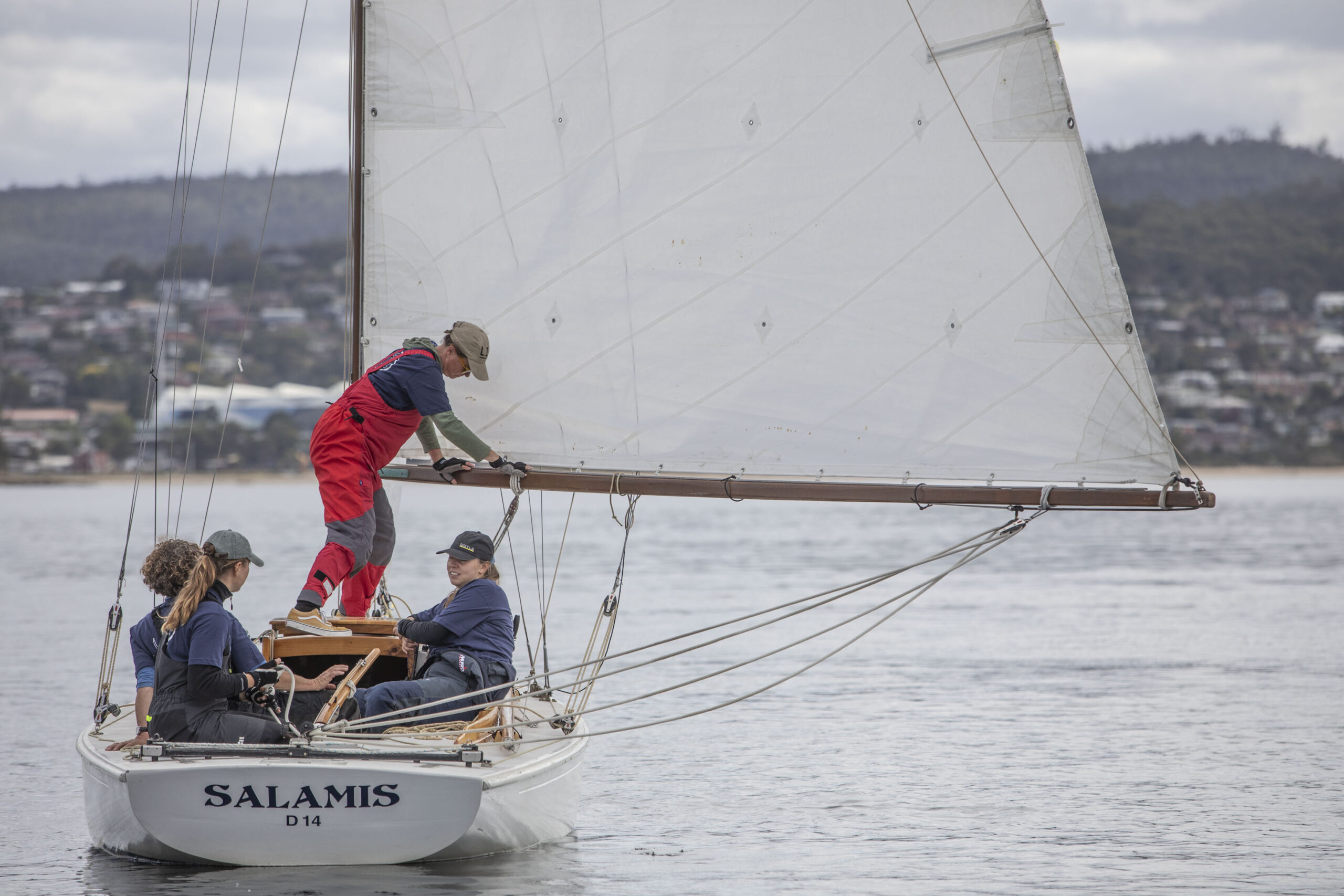
- Credit: Mark Chew
-
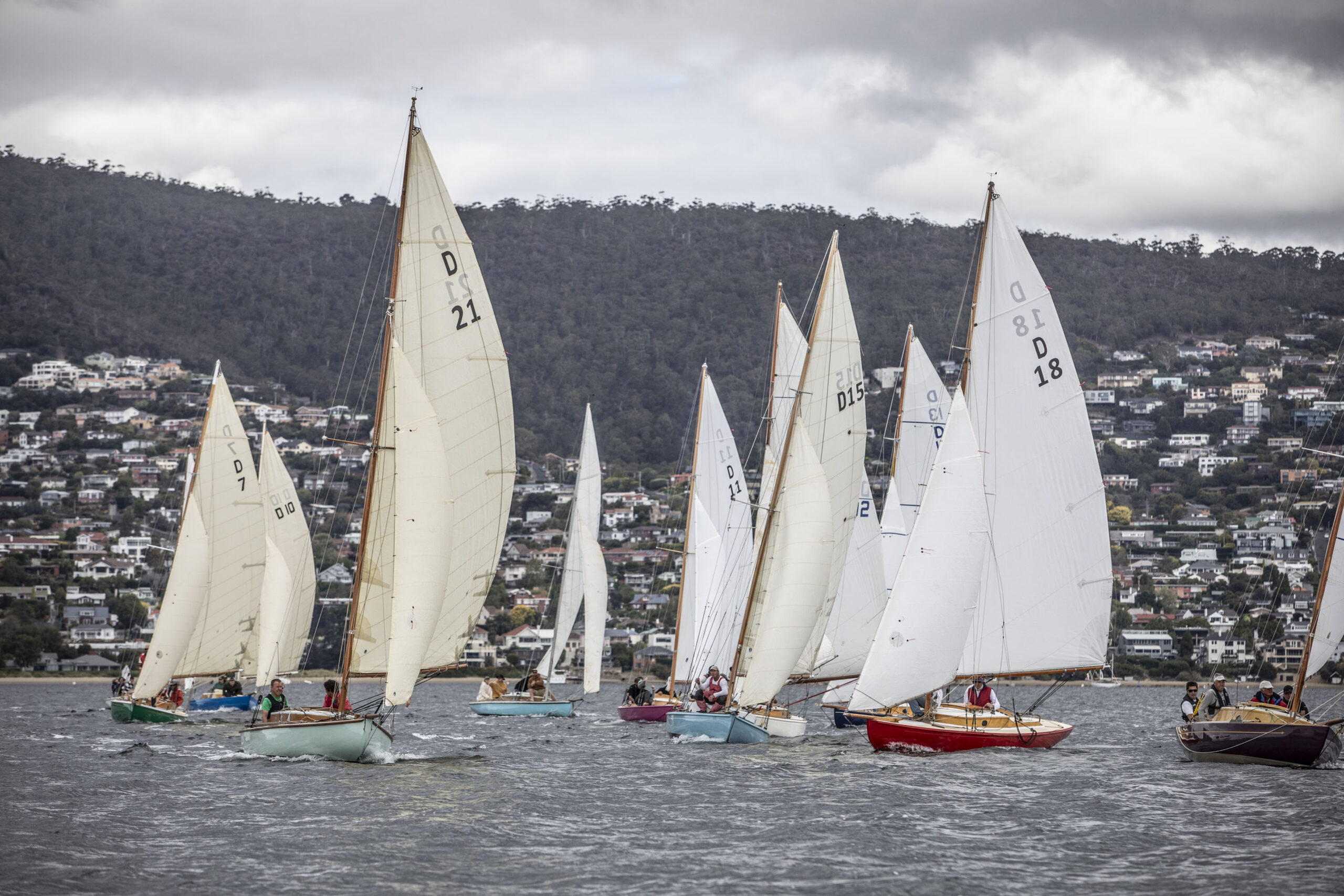
- Credit: Mark Chew
-
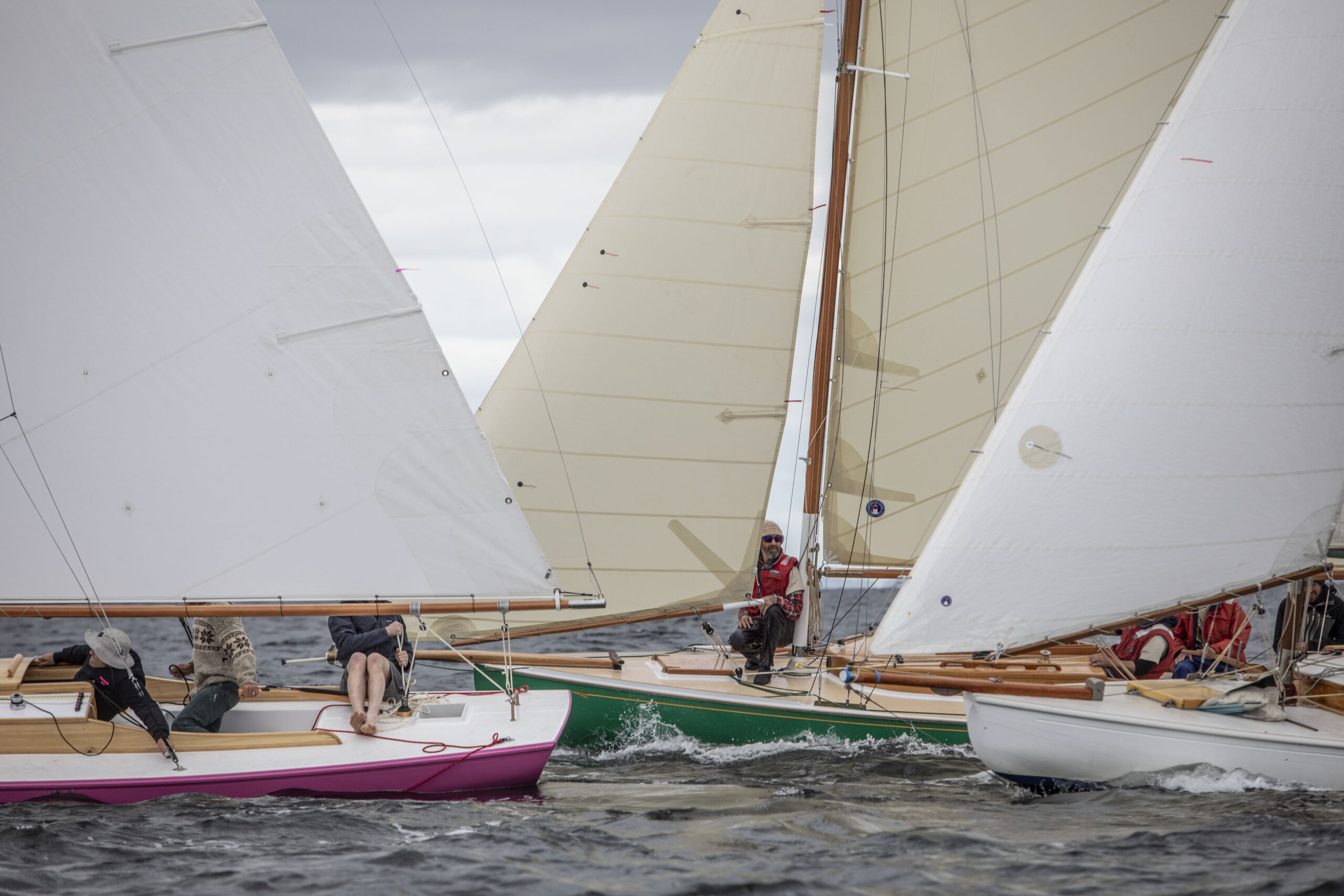
- Credit: Mark Chew
-
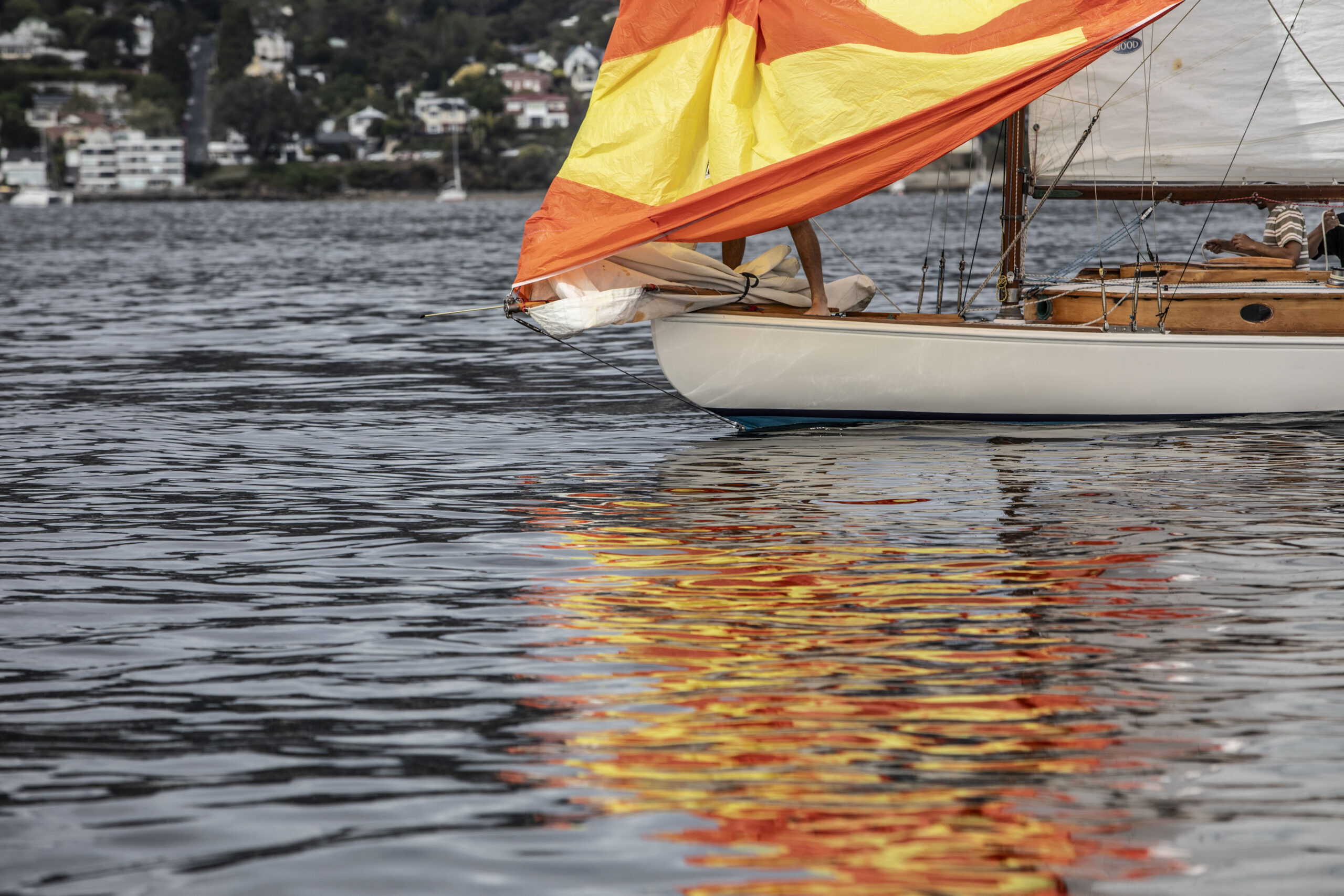
- Credit: Mark Chew
-
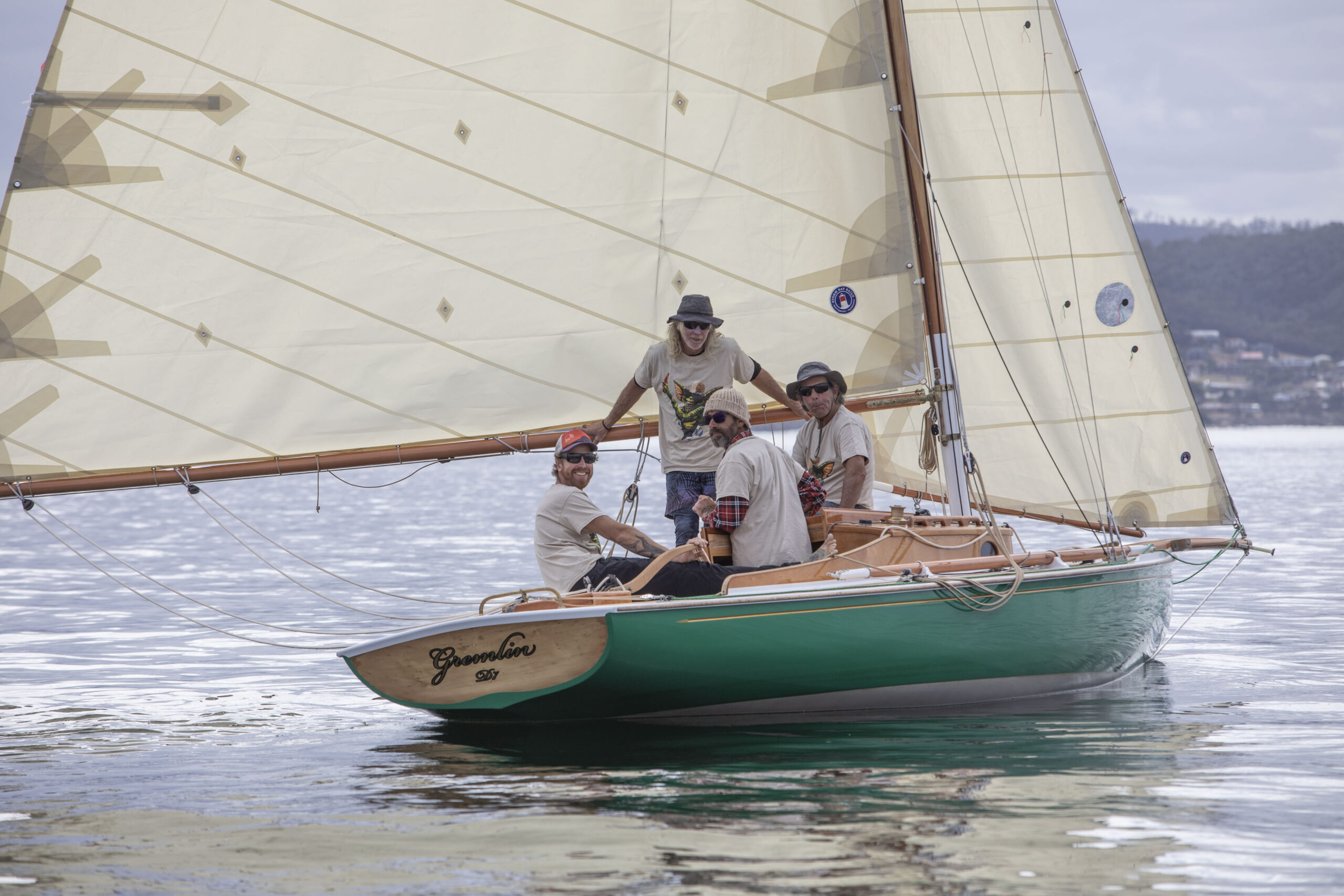
- Credit: Mark Chew
-
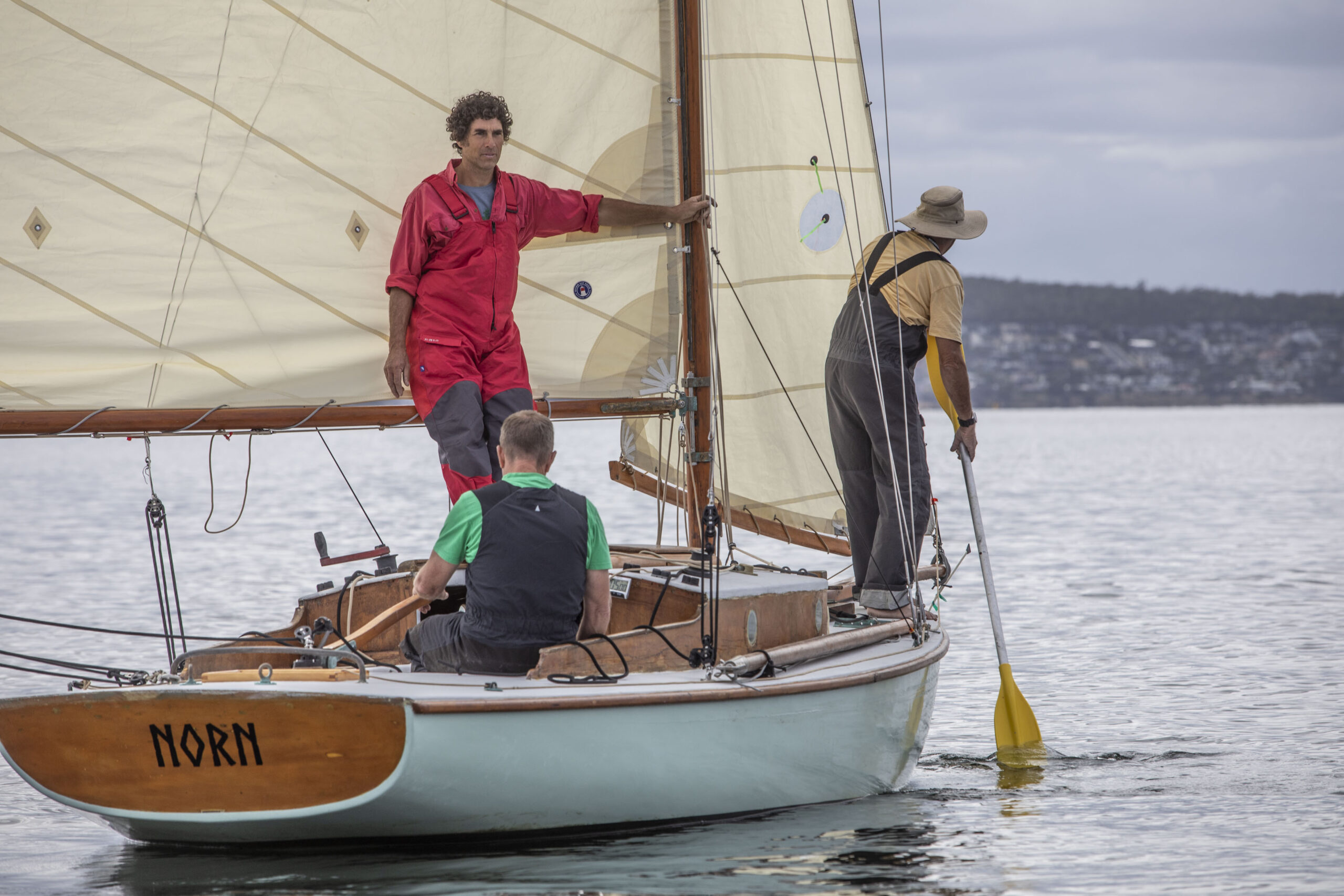
- Credit: Mark Chew
-
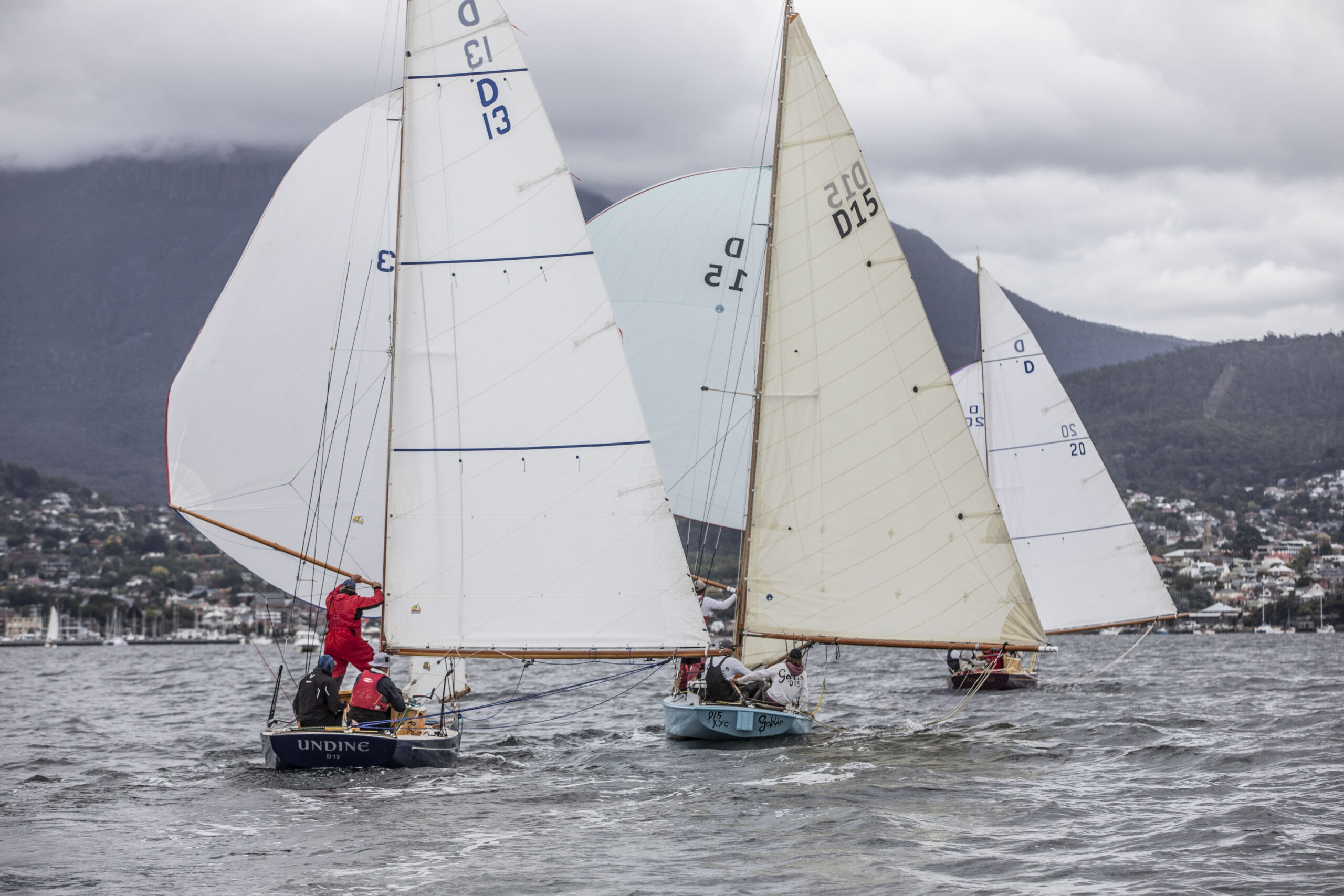
- Credit: Mark Chew
-
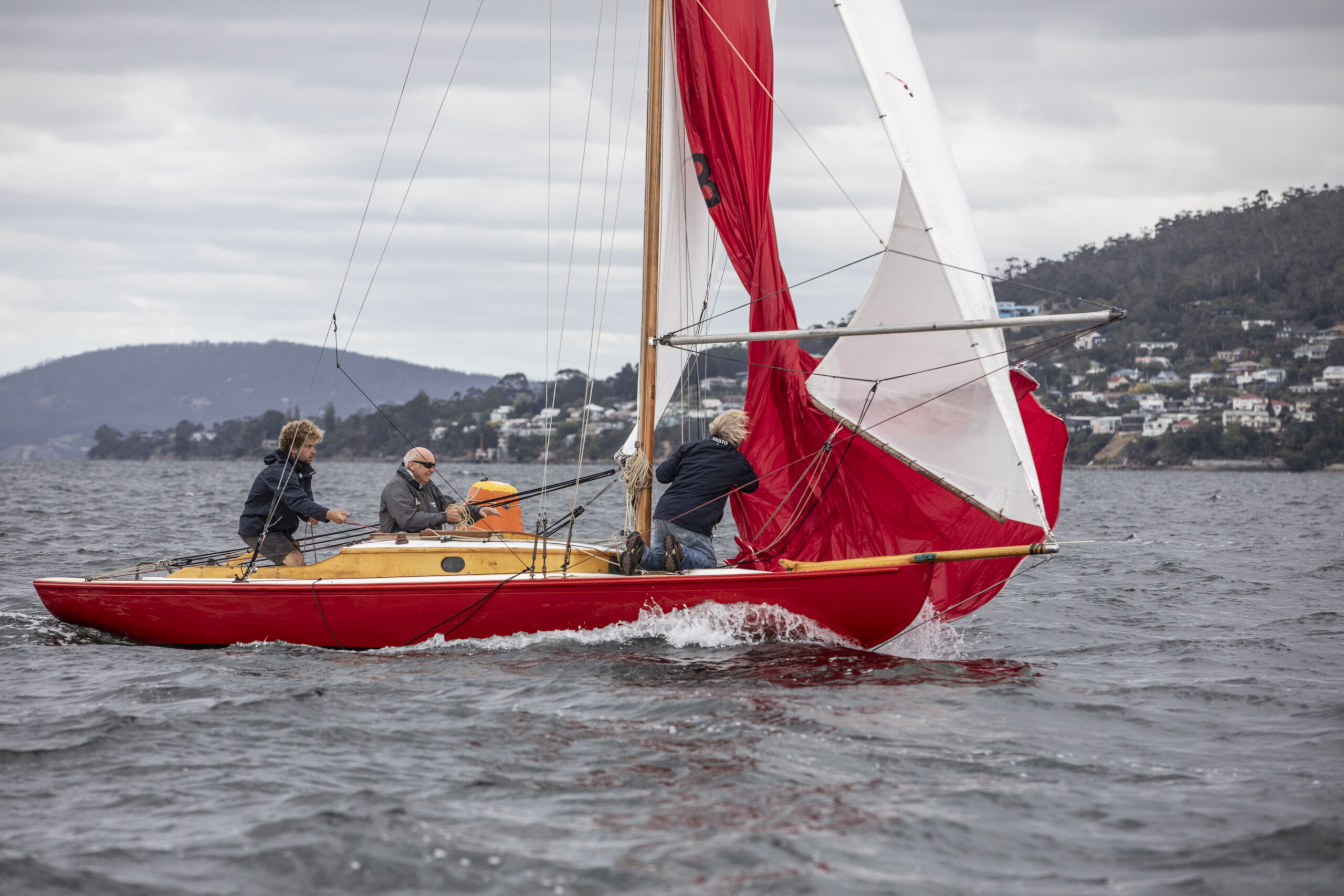
- Credit: Mark Chew
-
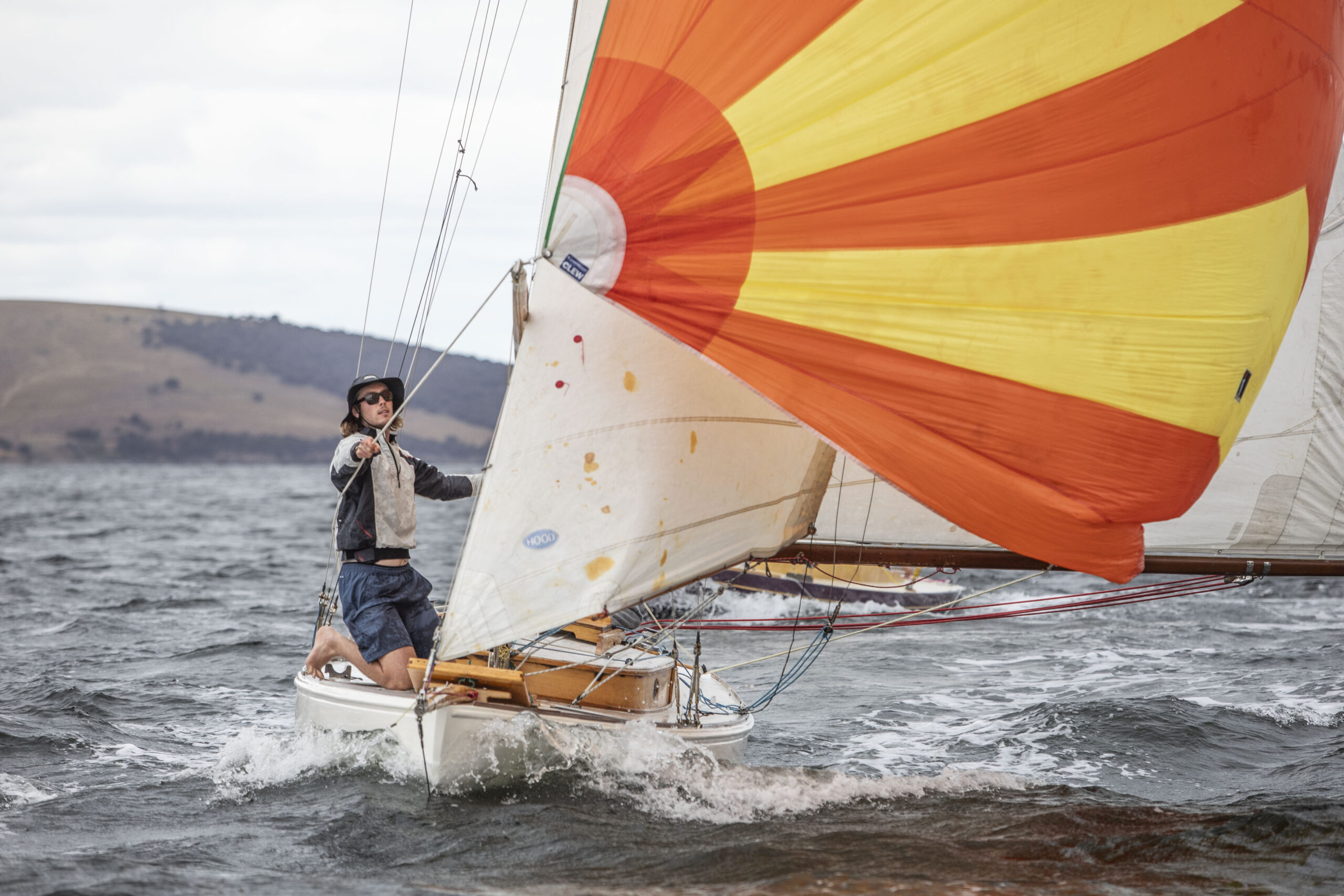
- Credit: Mark Chew
-
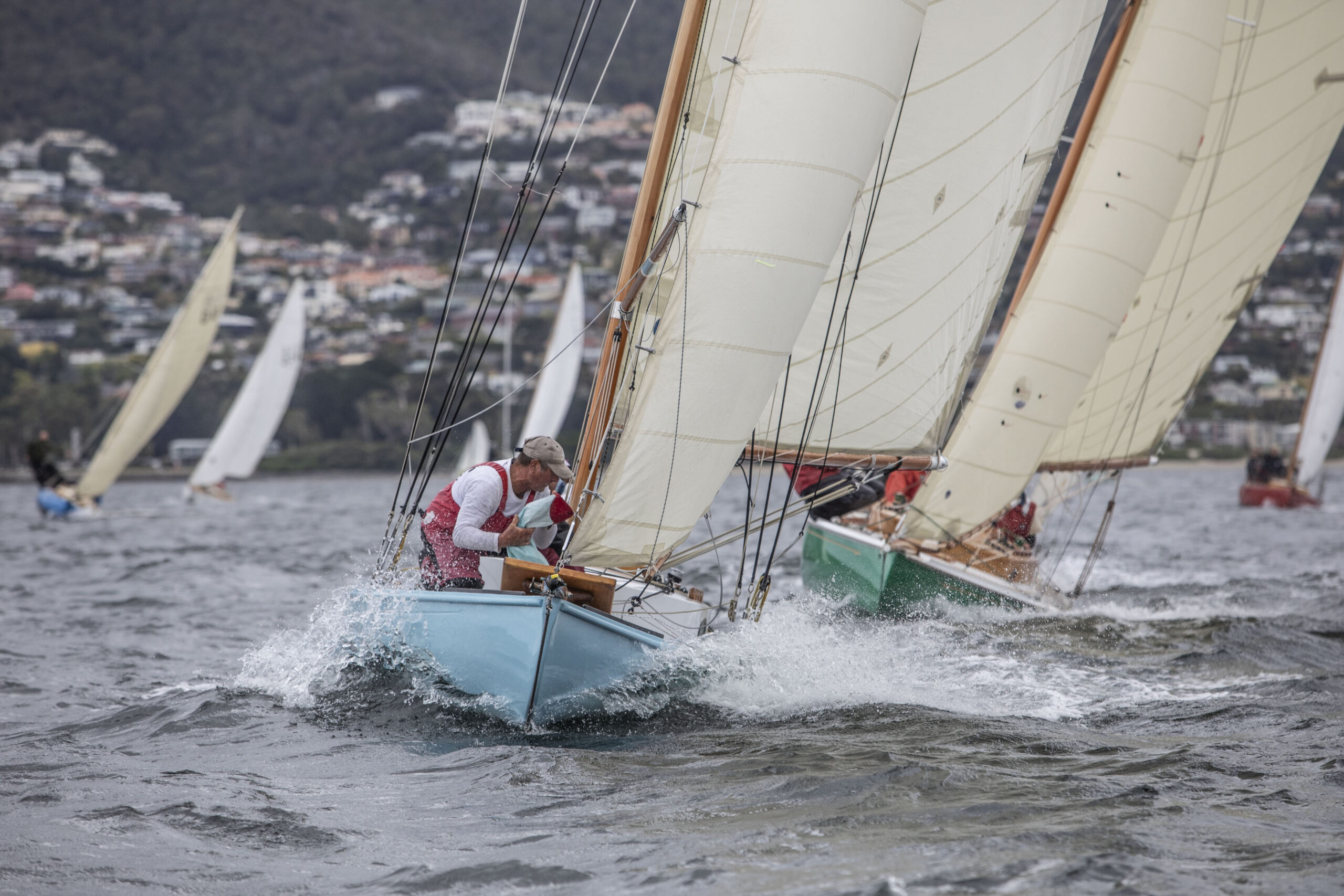
- Credit: Mark Chew
-
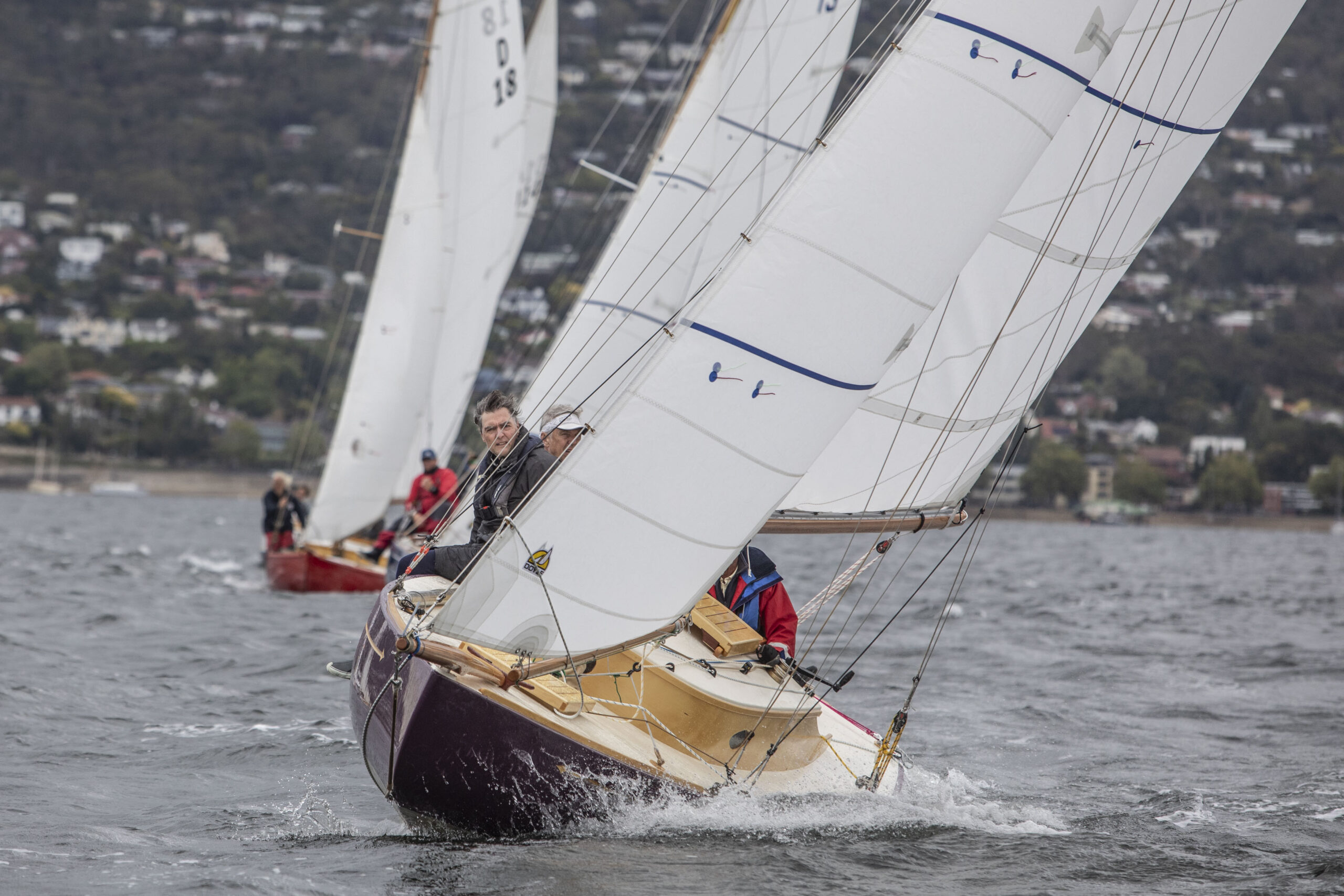
- Credit: Mark Chew
-
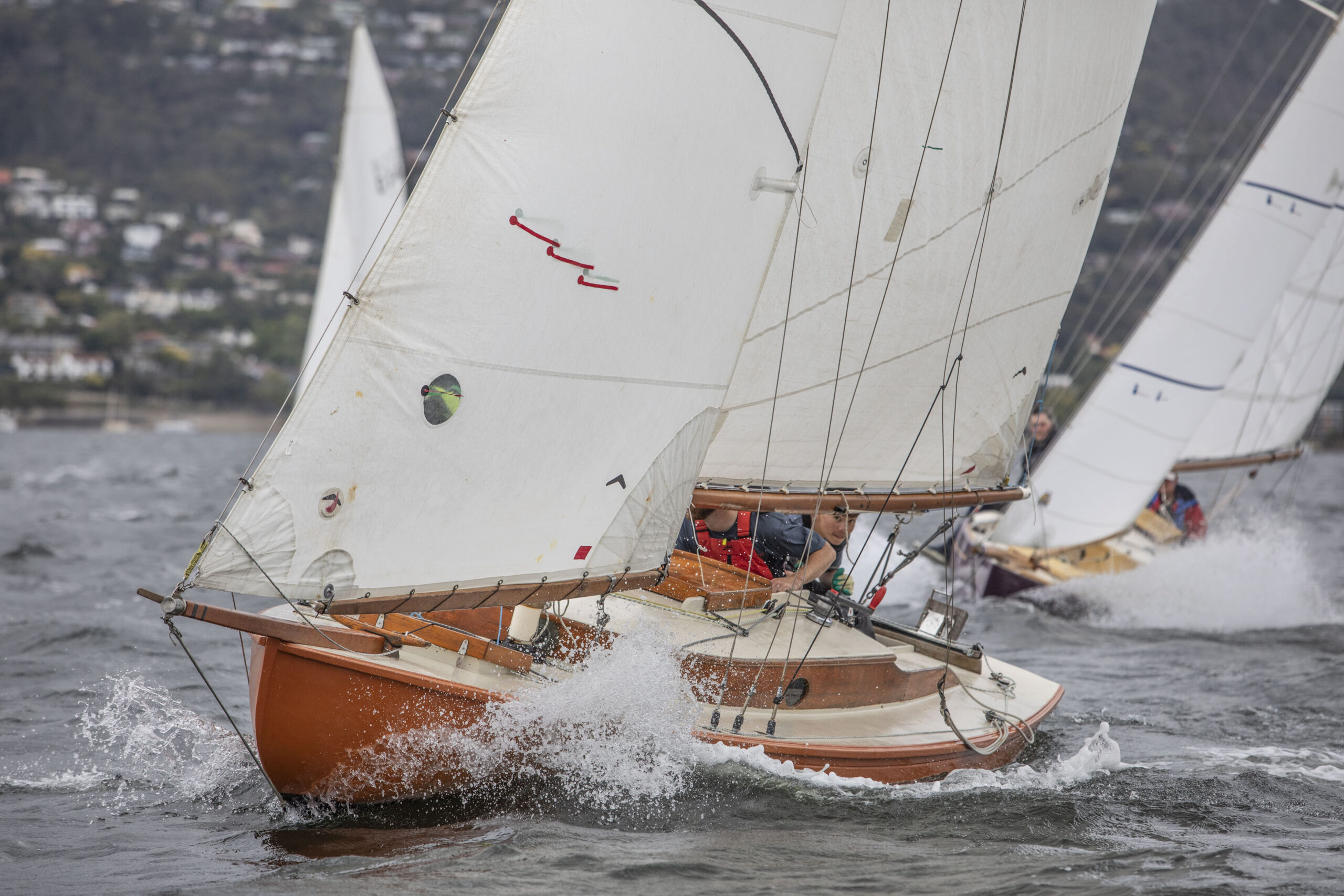
- Credit: Mark Chew
-
- Credit: Mark Chew
-
- Credit: Mark Chew
-
- Credit: Mark Chew
-
- Credit: Mark Chew
-
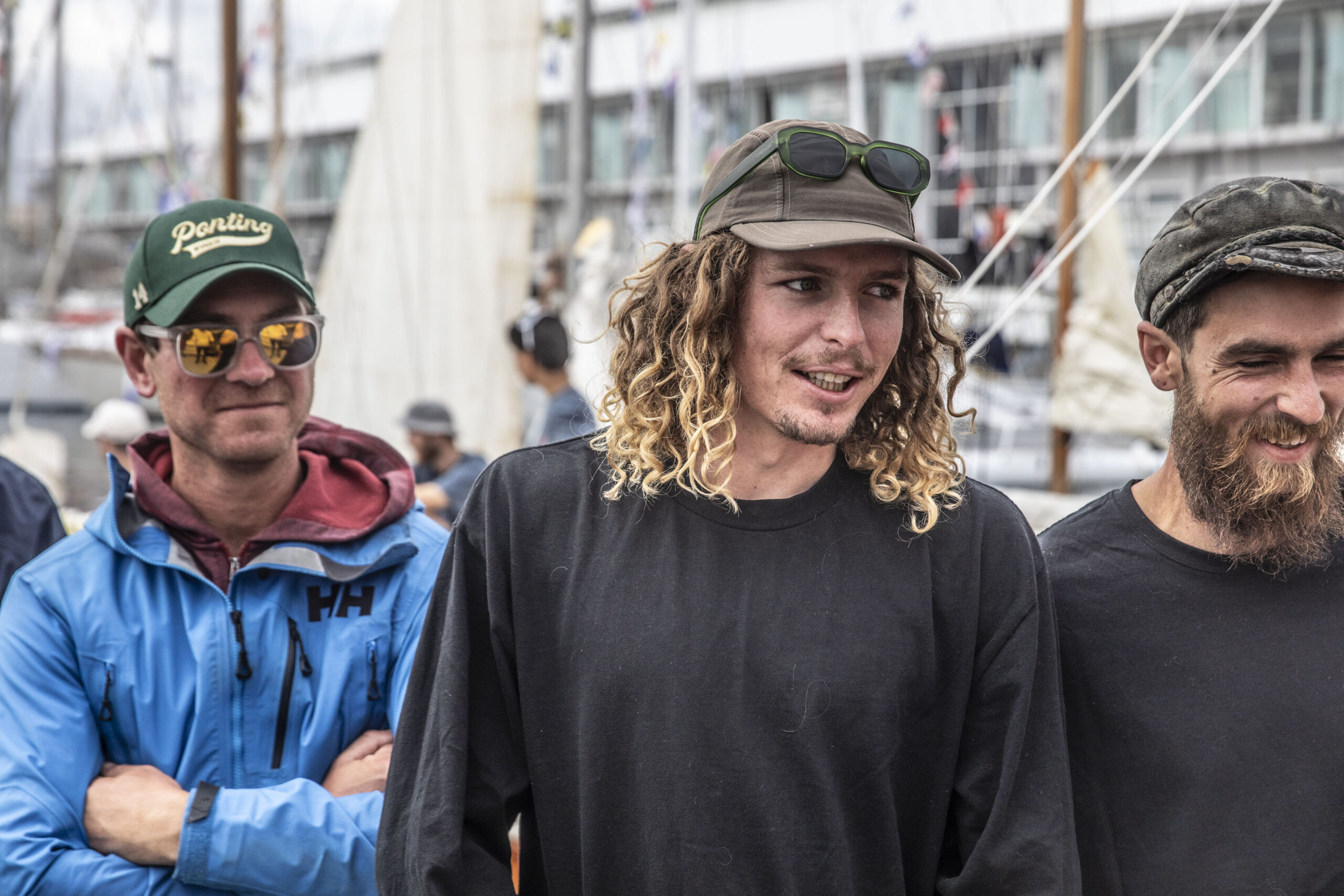
- Credit: Mark Chew
-
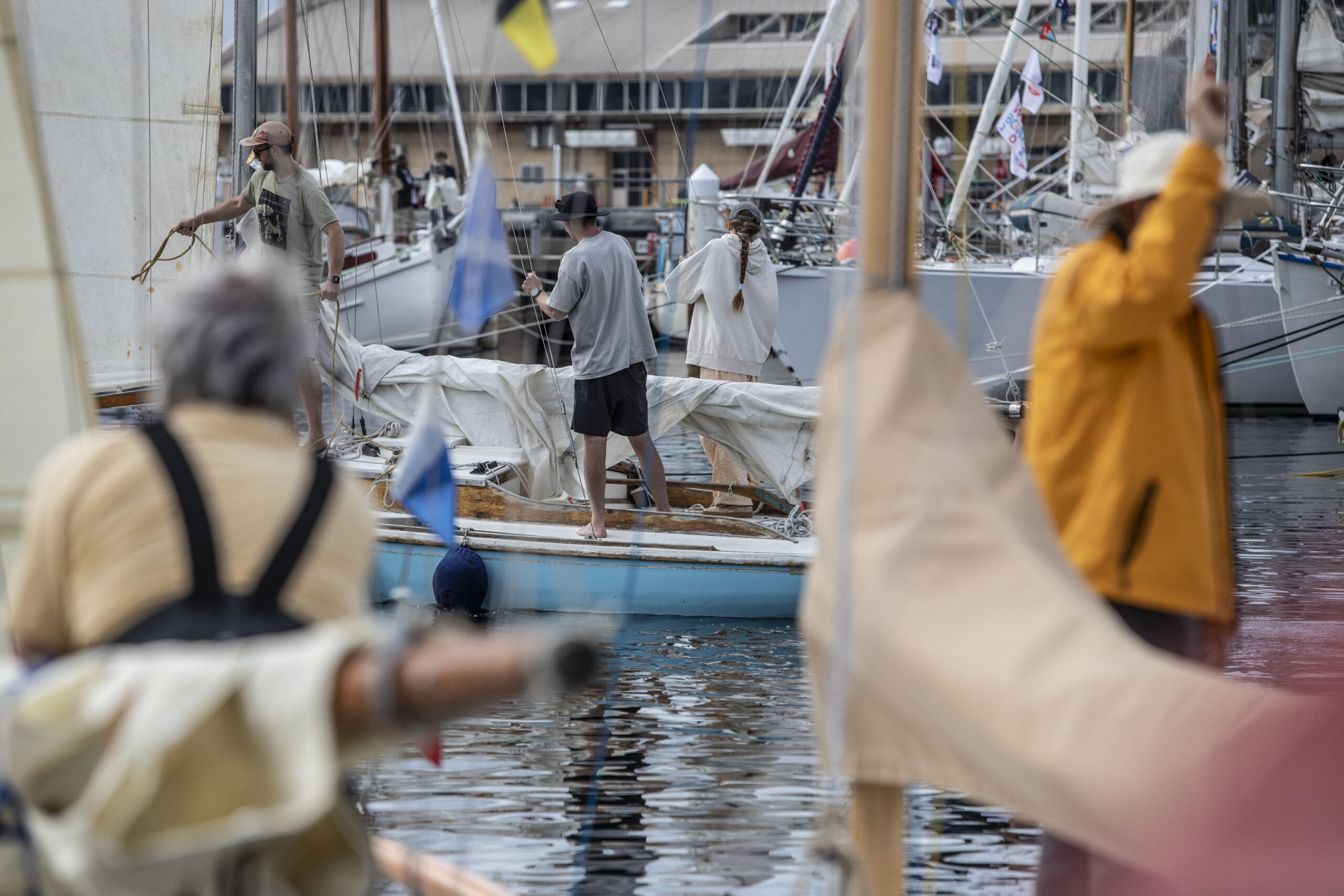
- Credit: Mark Chew
-
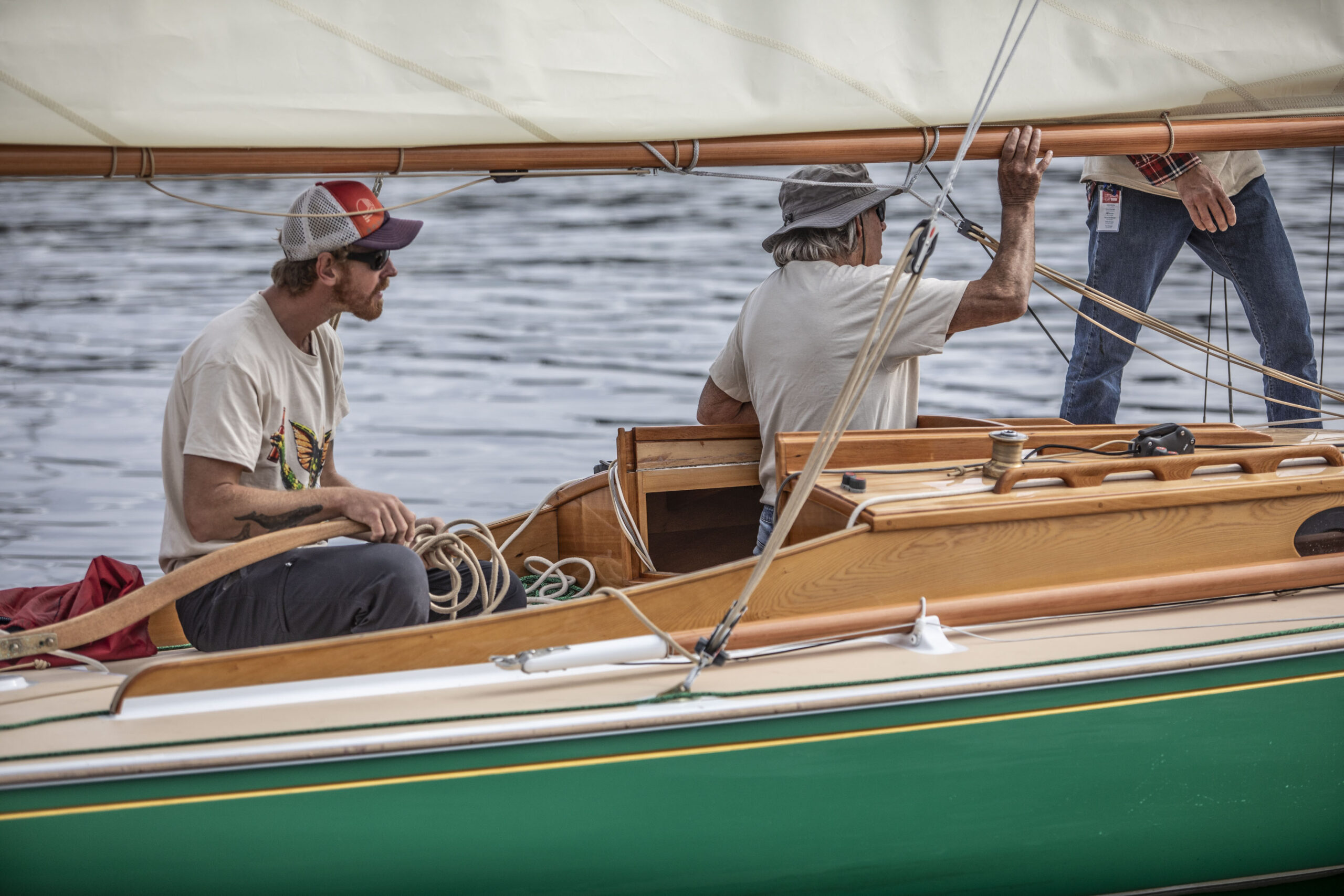
- Credit: Mark Chew
-
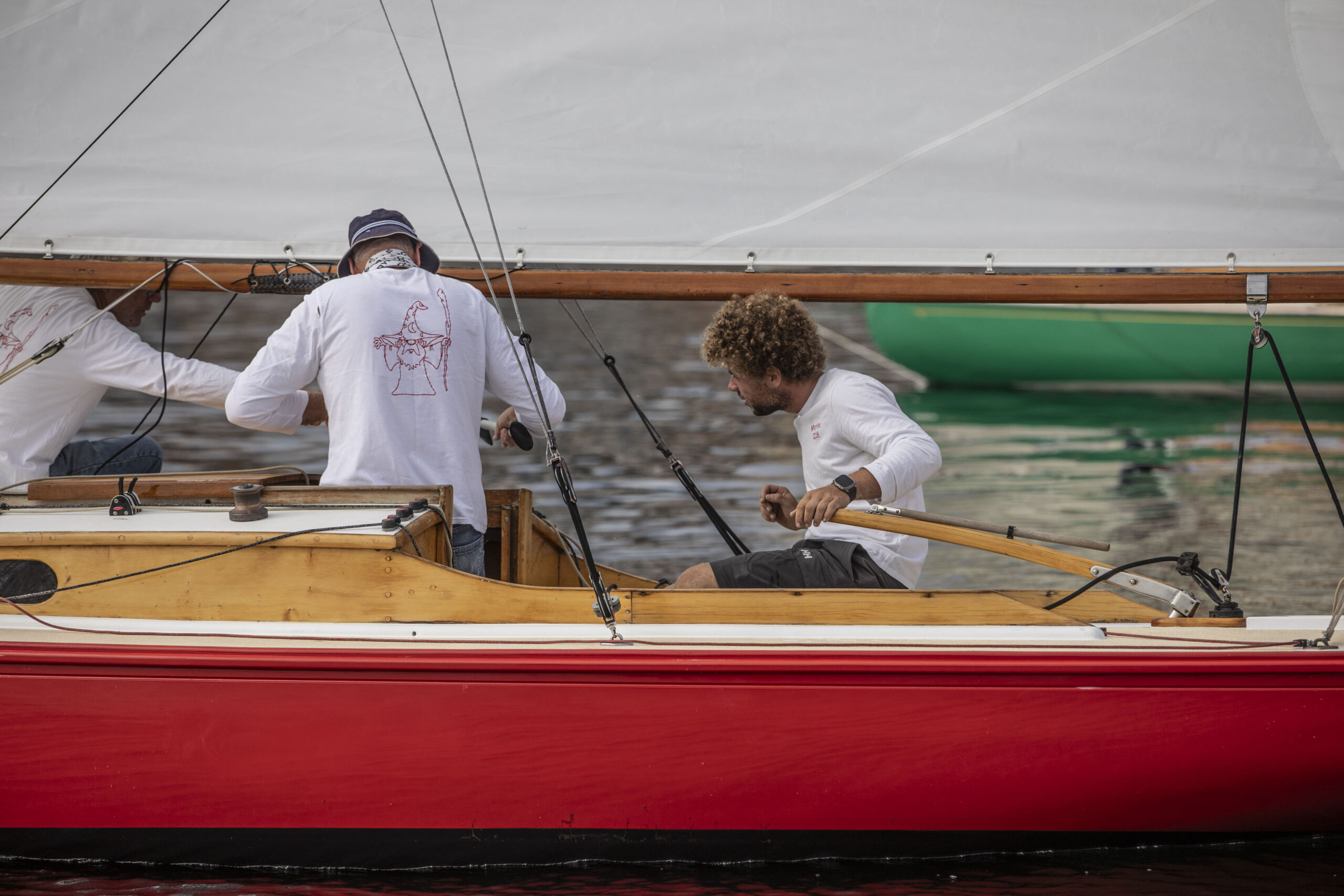
- Credit: Mark Chew
-
- Credit: Mark Chew
-
- Credit: Mark Chew
-
- Credit: Mark Chew
-
- Credit: Mark Chew
-
- Credit: Mark Chew
-
- Credit: Mark Chew
-
- Credit: Mark Chew
-
- Credit: Mark Chew
-
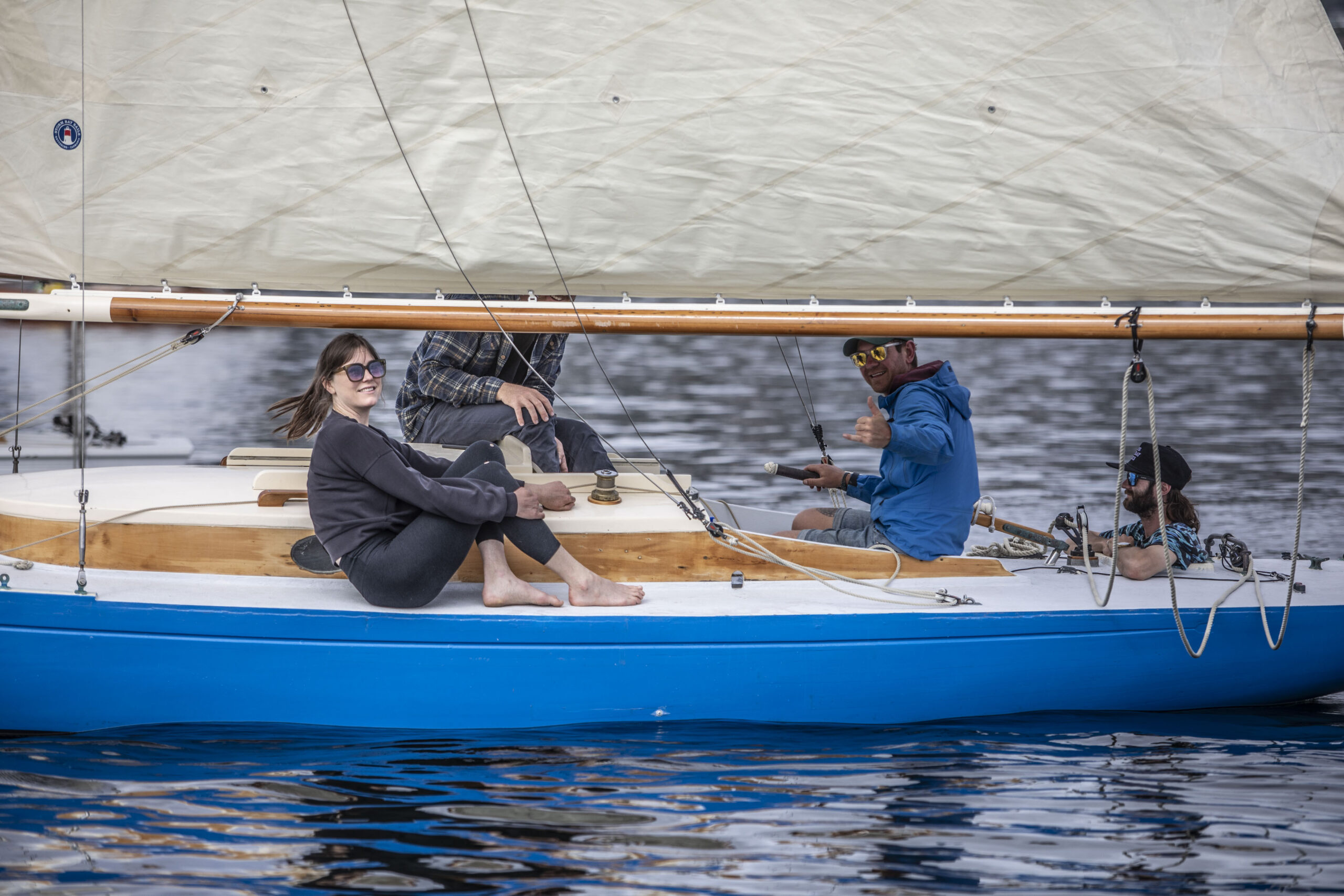
- Credit: Mark Chew
-
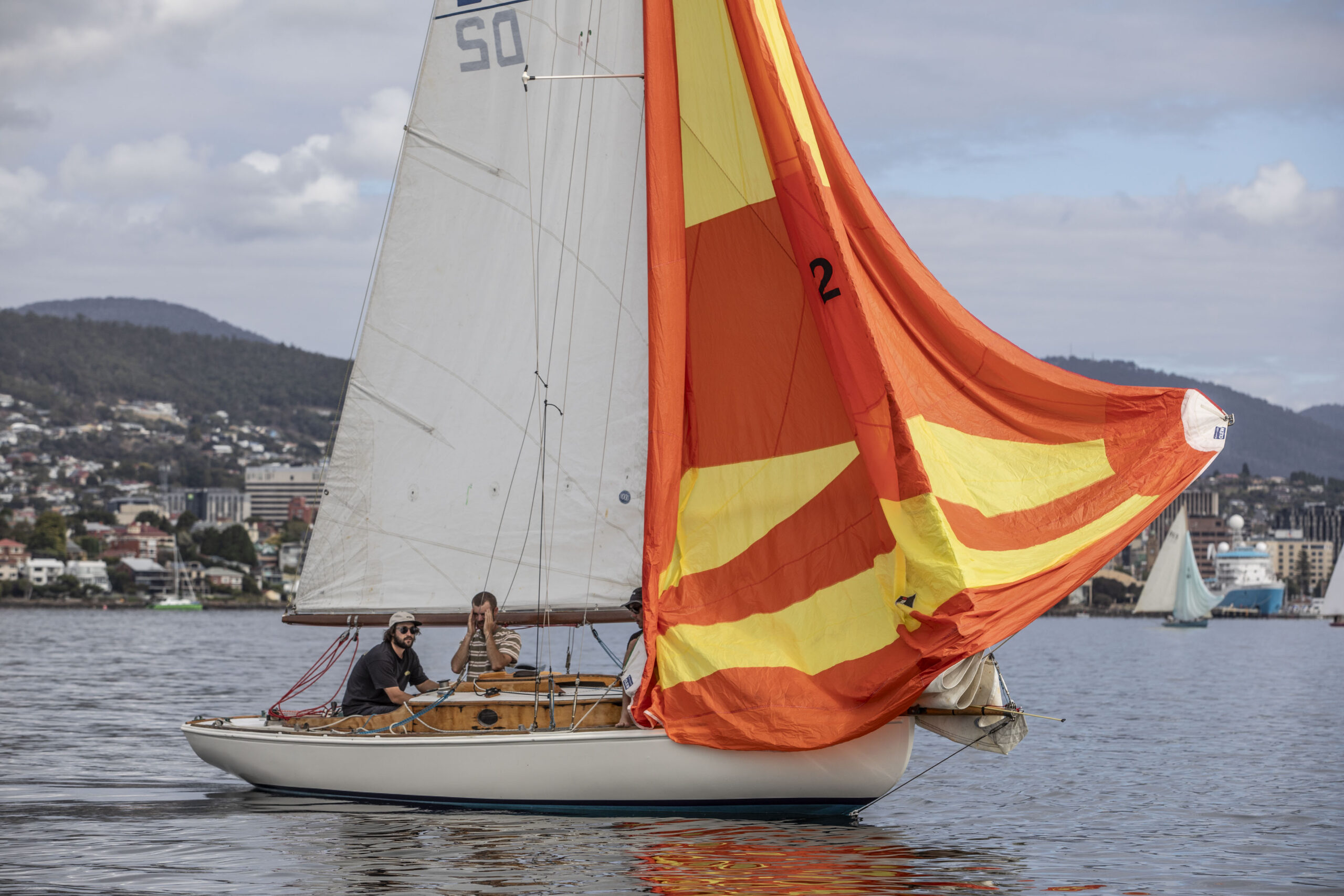
- Credit: Mark Chew
-
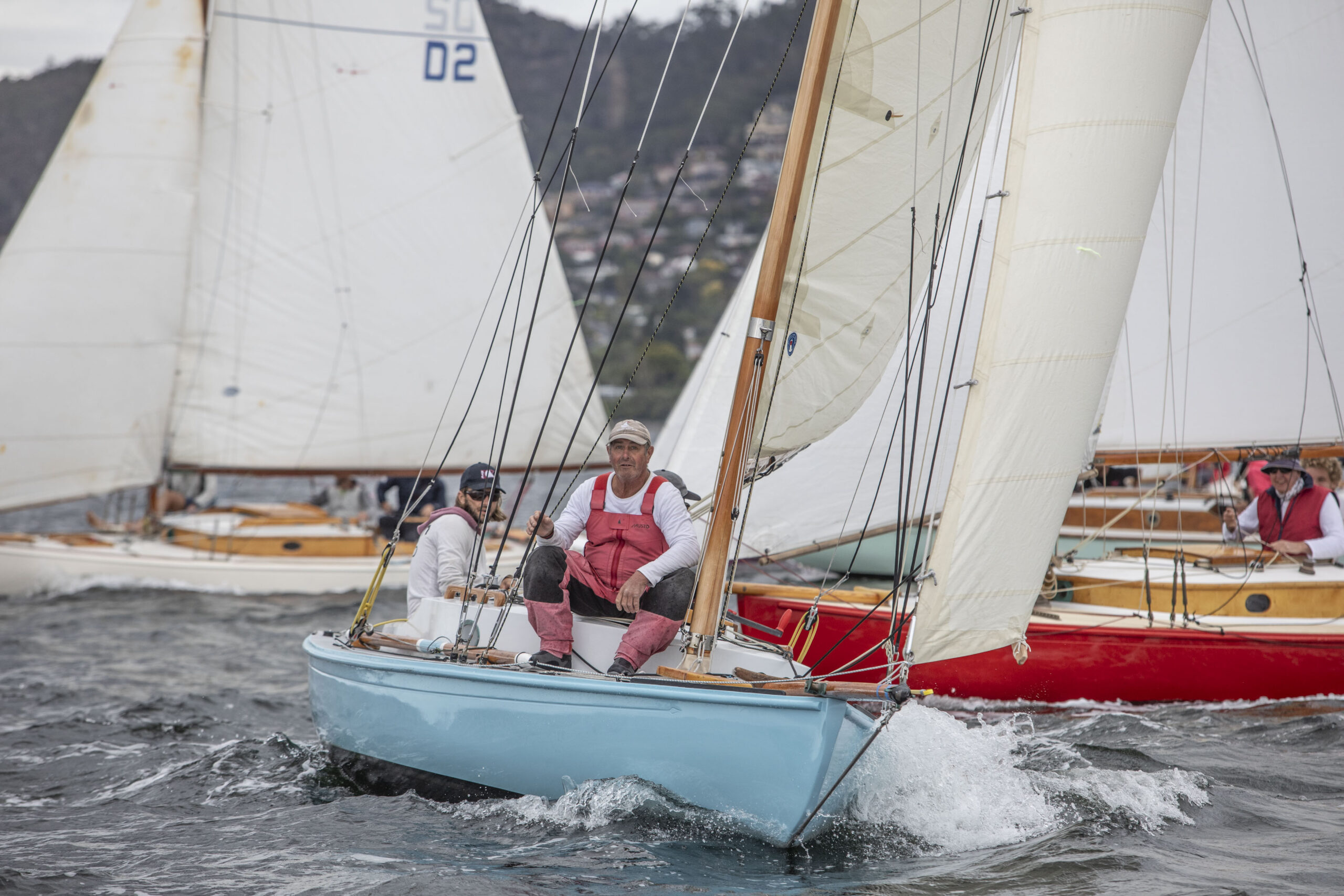
- Credit: Mark Chew
-
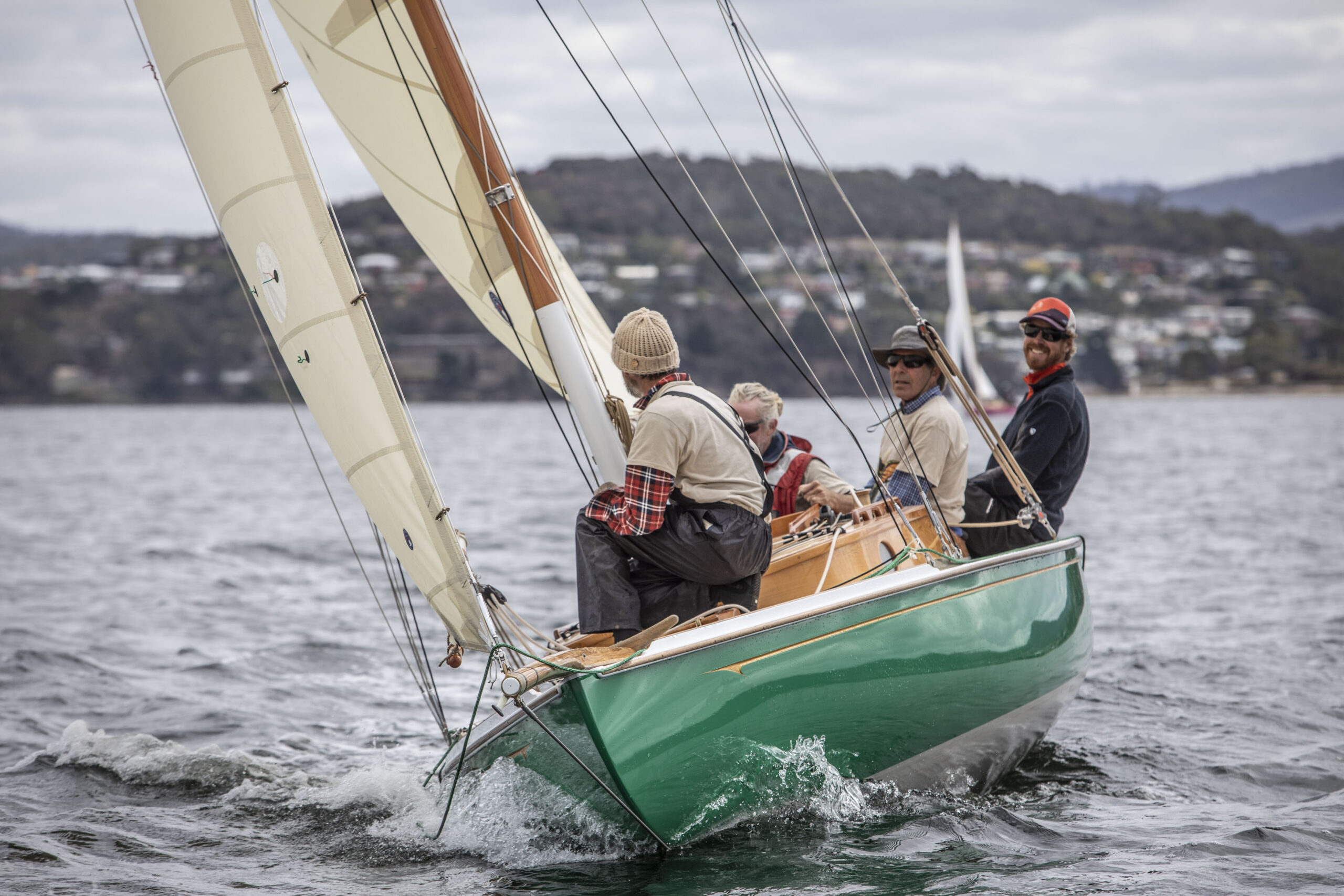
- Credit: Mark Chew
-
- Credit: Mark Chew
-
- Credit: Mark Chew
-
- Credit: Mark Chew
-
- Credit: Mark Chew
-
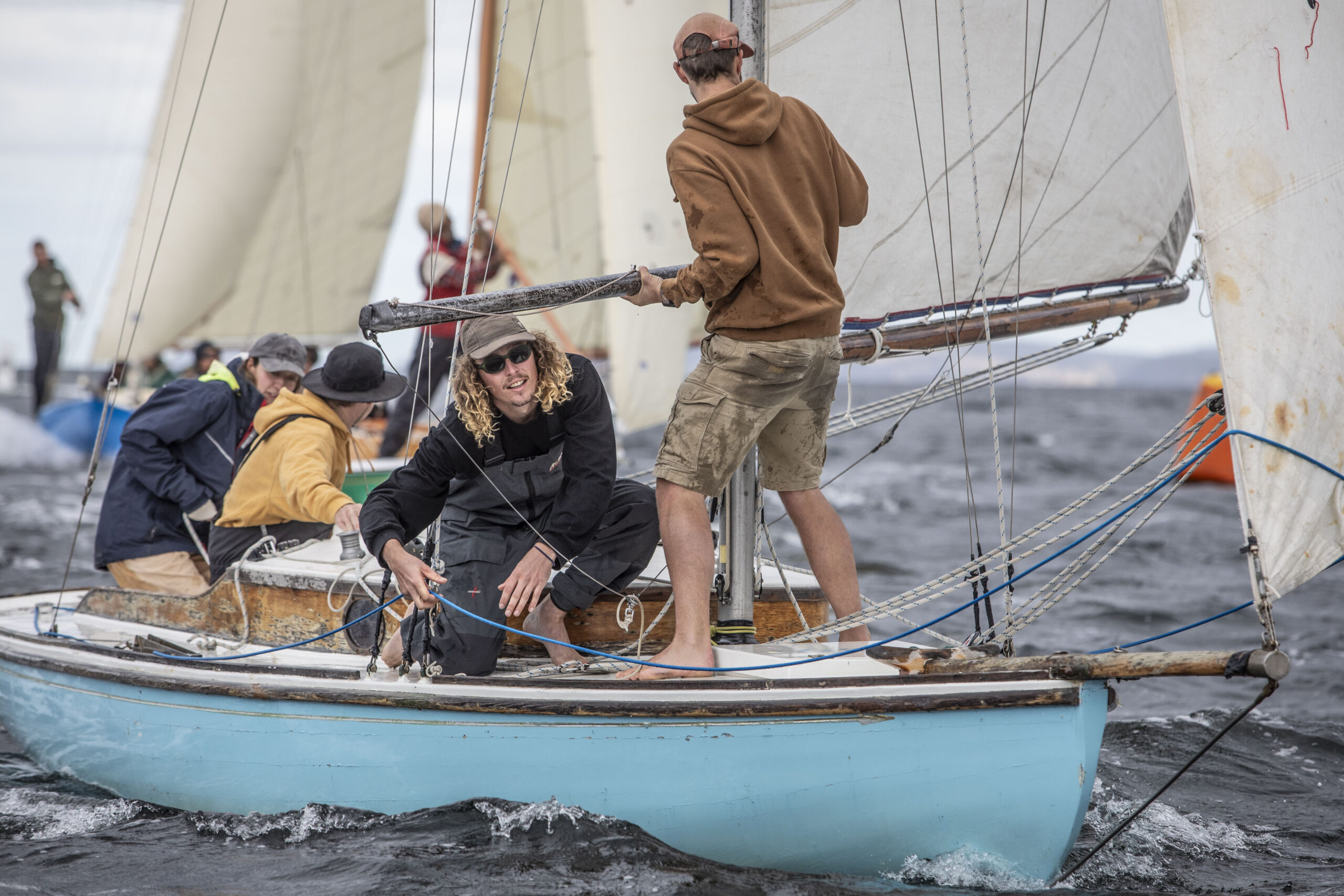
- Credit: Mark Chew
-
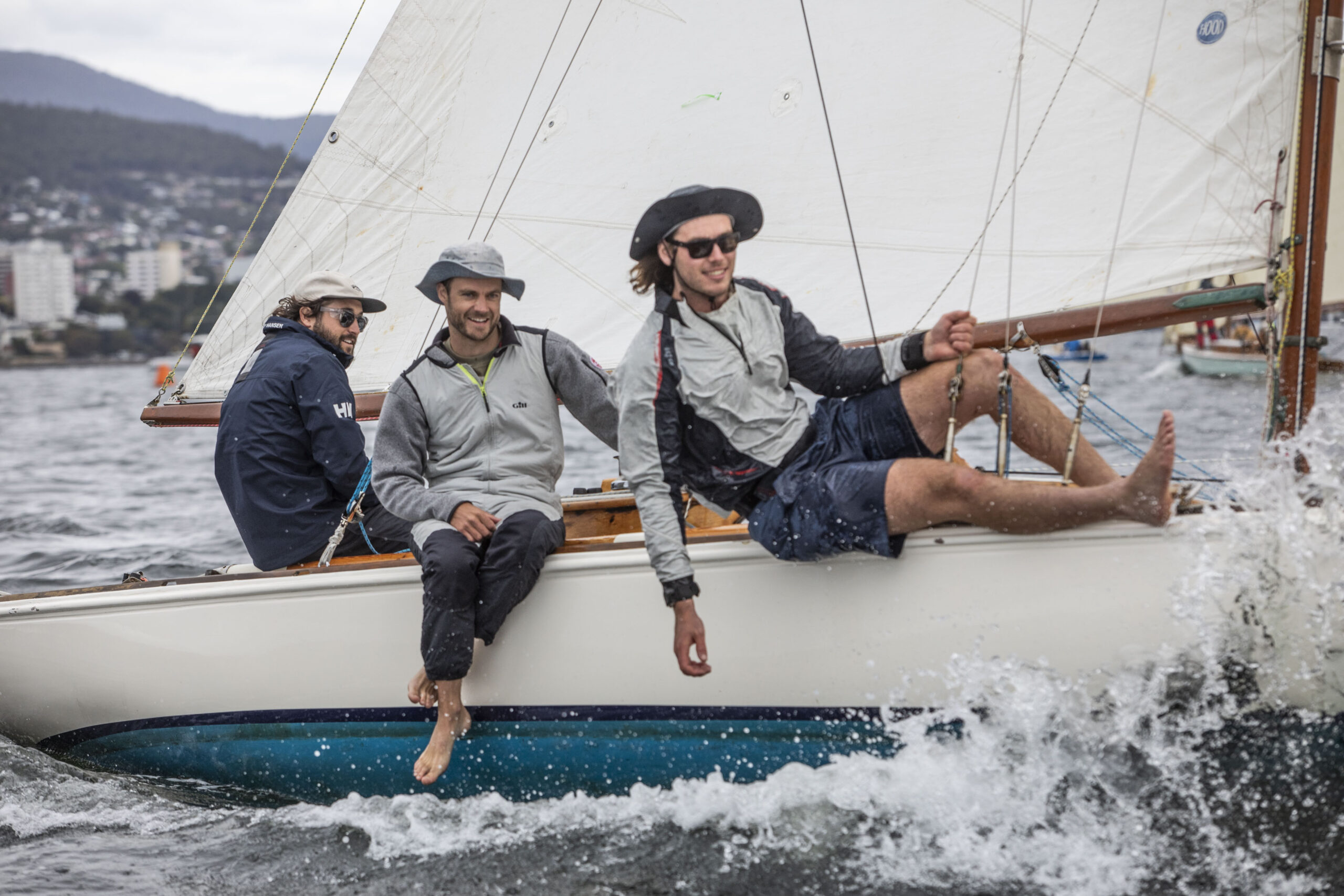
- Credit: Mark Chew
-
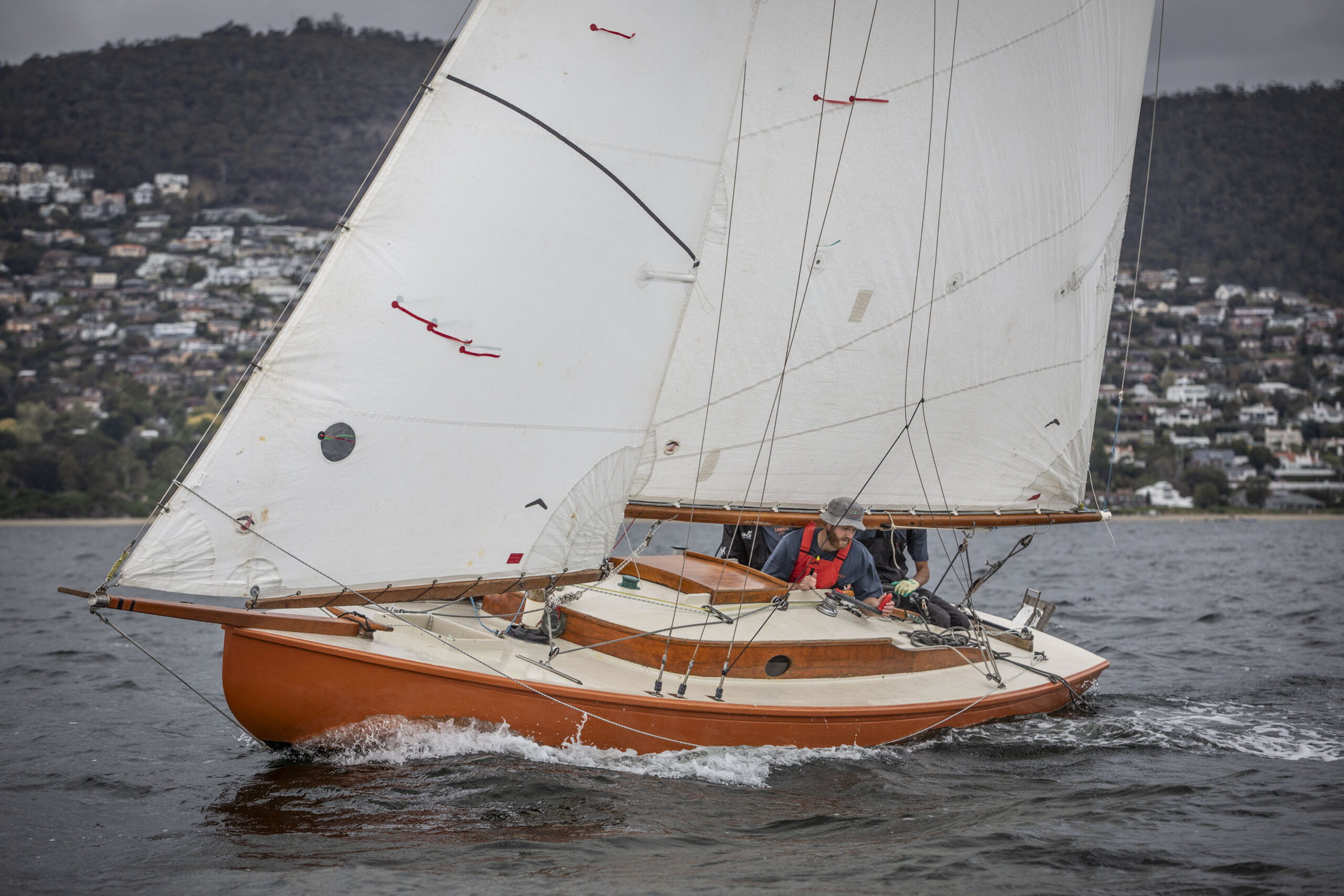
- Credit: Mark Chew
-
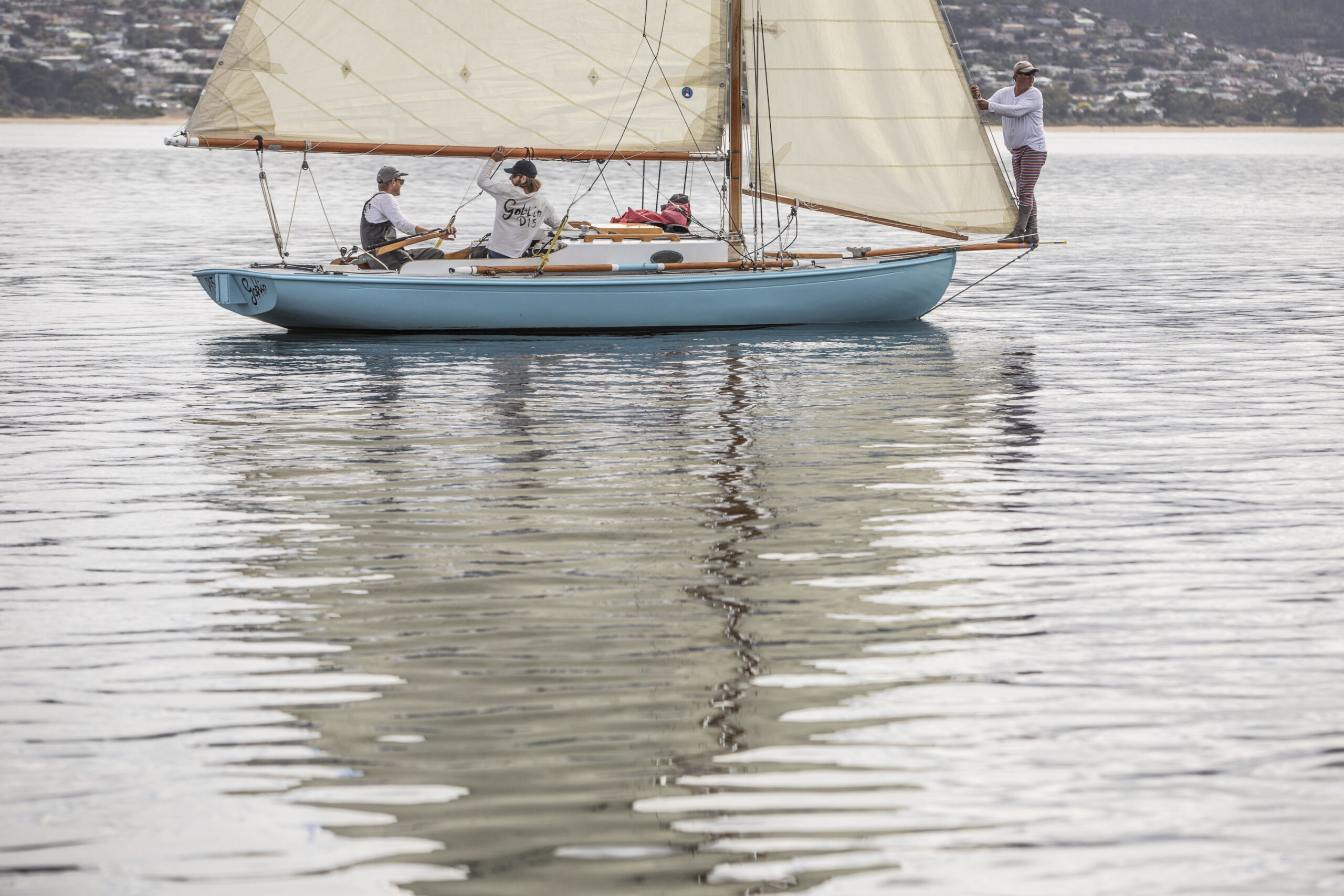
- Credit: Mark Chew
-
- Credit: Mark Chew
-
- Credit: Mark Chew
-
- Credit: Mark Chew
-
- Credit: Mark Chew
-
- Credit: Mark Chew
-
- Credit: Mark Chew
-
- Credit: Mark Chew
-
- Credit: Mark Chew
-
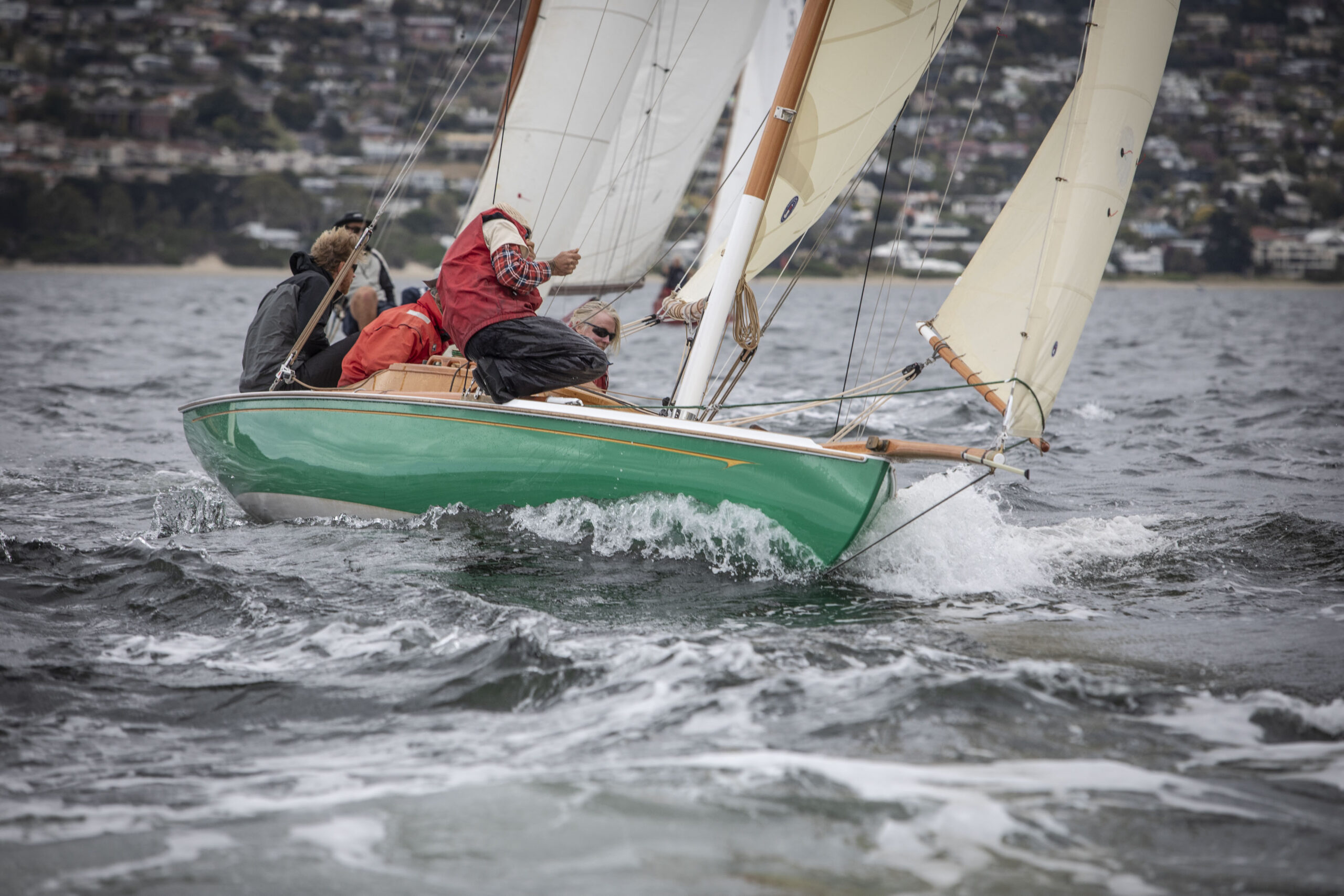
- Credit: Mark Chew
-
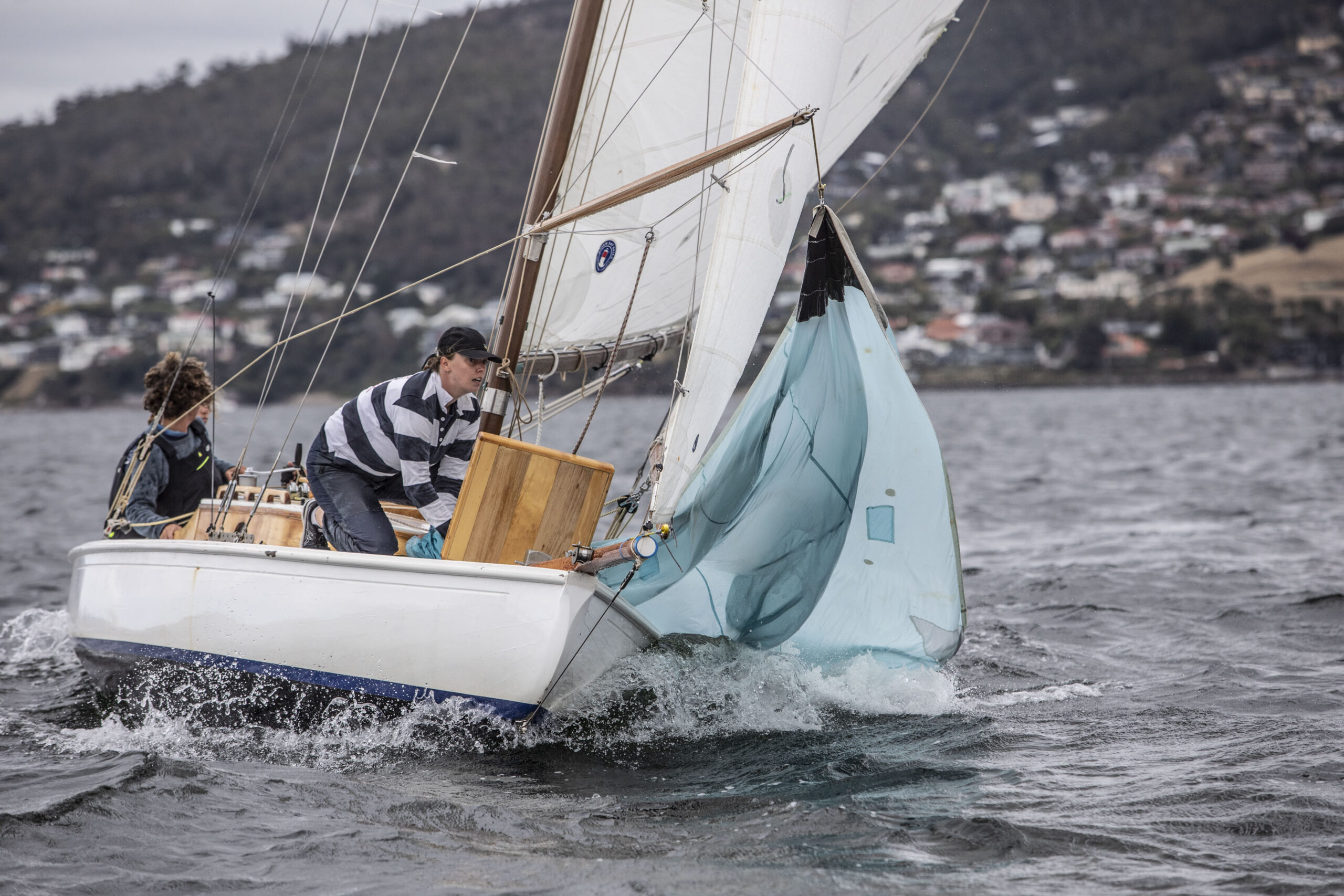
- Credit: Mark Chew
-
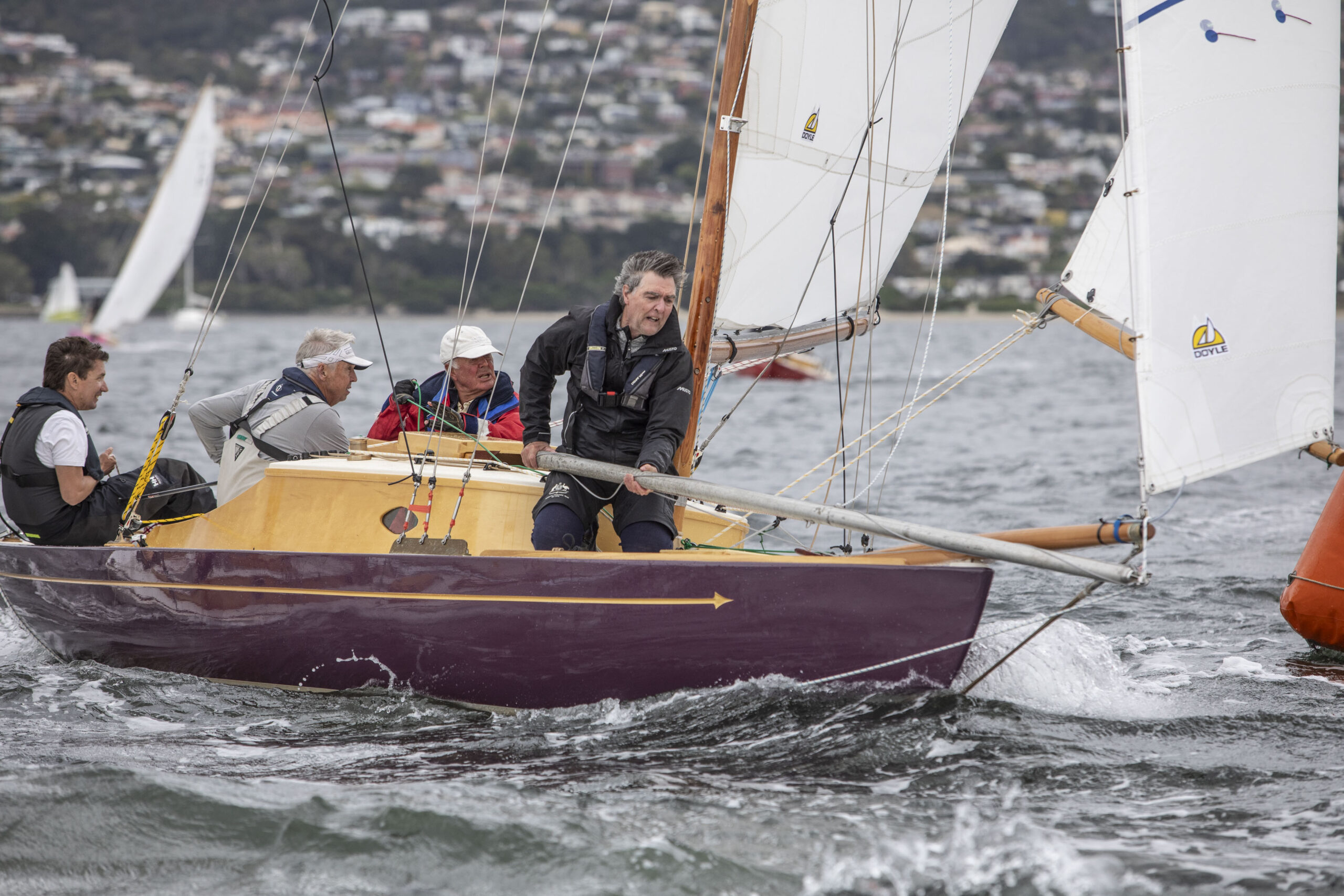
- Credit: Mark Chew