
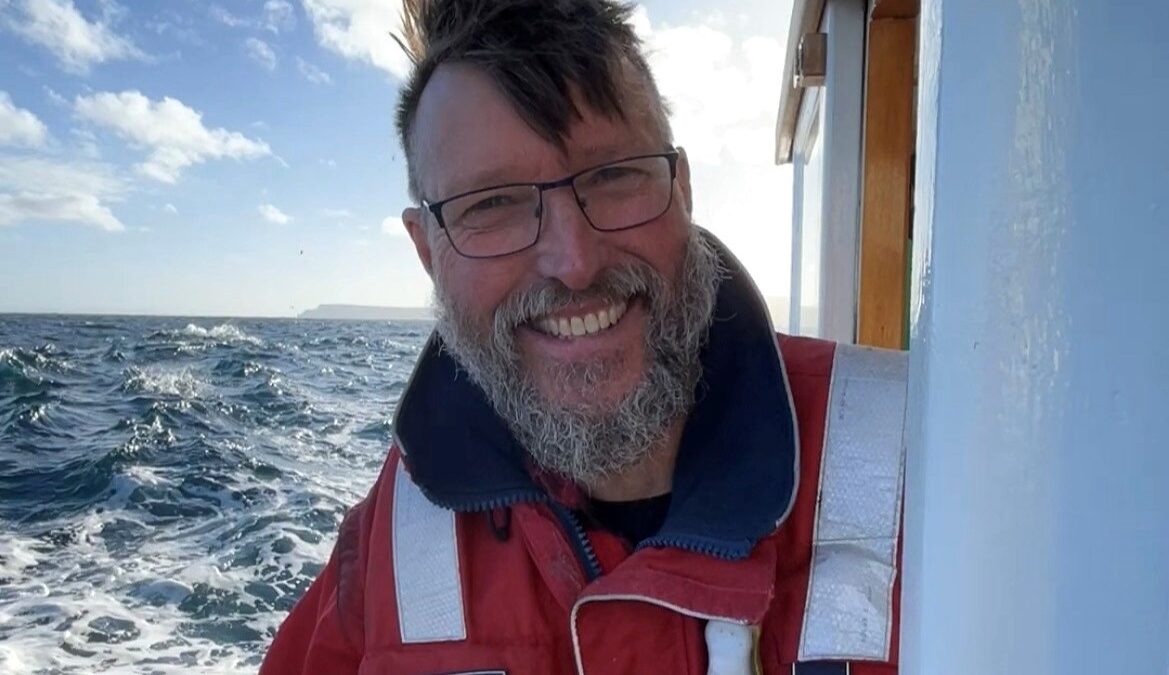
For more than four decades, Peter Manthorpe has built a career around the sea. From working on commercial cargo ships crossing the globe, to sailing historic tall ships and youth training voyages, and modern harbour towage operations, his working life has witnessed the changing face of the maritime industry while remaining firmly connected to its traditions.
Today, Peter is a TasPorts Tug Master based out of the Port of Hobart, where he plays a critical role in keeping some of Tasmania's busiest shipping movements safe.
But his journey to the wheelhouse of a harbour tug began many years earlier.
A Life Drawn to the Water
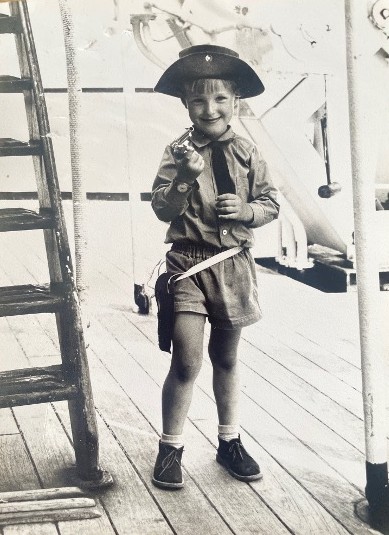
Peter's connection to shipping started in childhood. Growing up in Adelaide, he was introduced to the maritime world through his father, who was a harbour pilot. Regular visits to ships and time spent on pilot launches sparked a fascination that would shape the rest of his life.
"By the time I was six years old, my father was taking me to work and we'd go out on the pilot launch together and he'd say, "You go up the ladder first and if you fall, I'll catch you."
After leaving school in 1979, Peter joined the Australian National Line (ANL) as a cadet. It was the beginning of a career that would see him work aboard cargo ships, bulk carriers and coastal traders throughout Australia and around the world. During this period, he experienced a merchant shipping industry very different from today's - navigating with sextants, celestial observations and traditional seamanship skills used long before satellite navigation became commonplace.
“Every day at noon, there'd be three people out on the bridge wing - the mate, second mate, and third mate taking sun sites to find out our noon position. If it differed greatly from the satellite position, the satellite position would be discarded. Nobody really trusted this new fangle technology!”
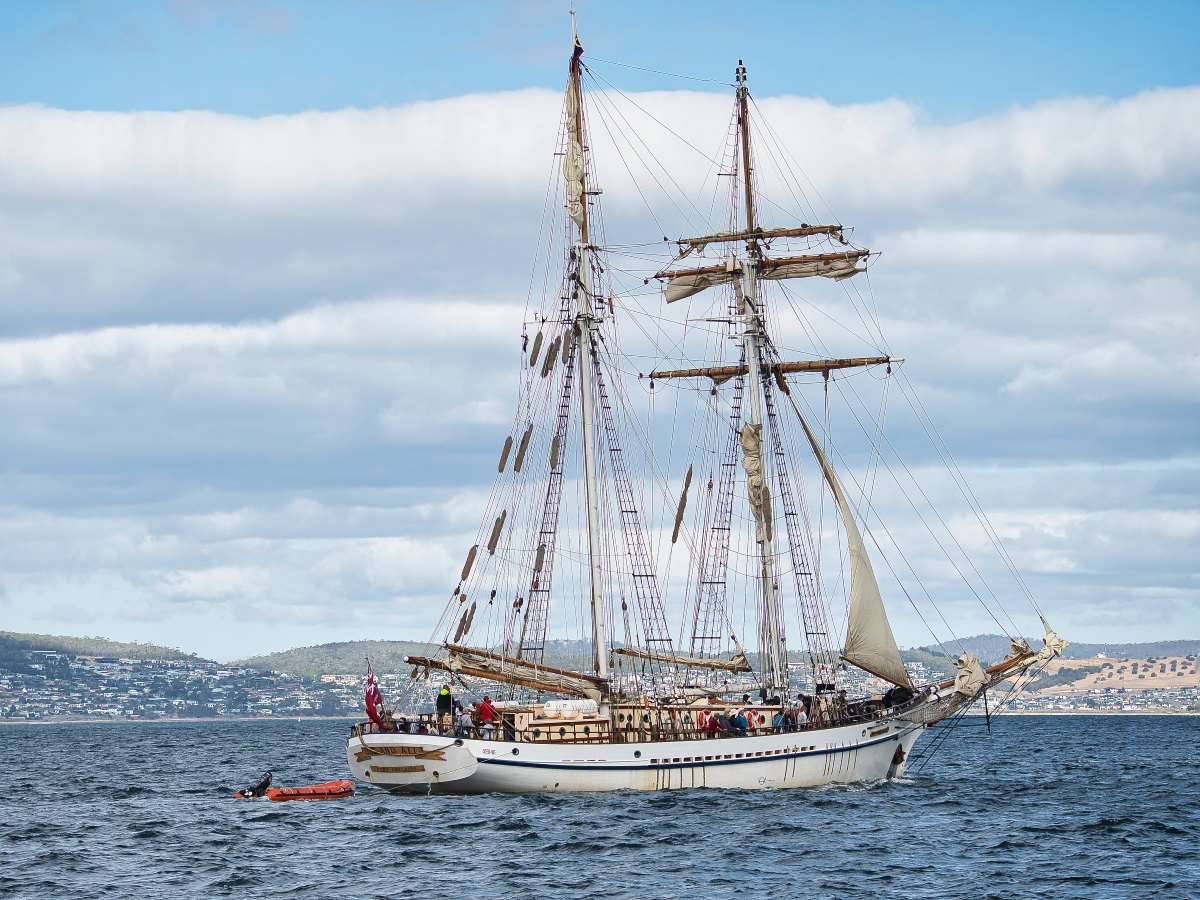
One and All at AWBF 2025. Credit: Heather Bird
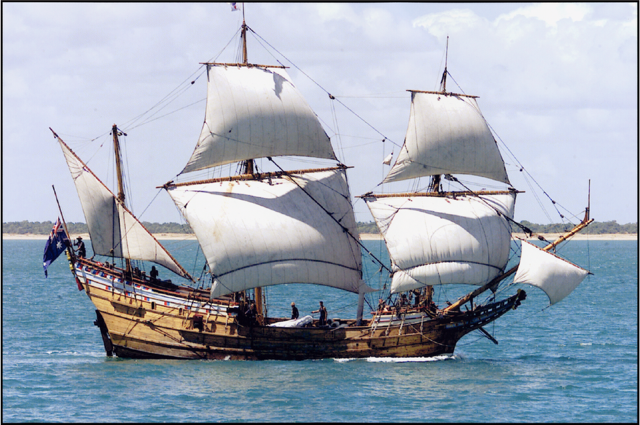
Duyfken
Tall Ships and Maritime Heritage
When Australia's merchant fleet began to decline during the 1980s, Peter followed another maritime passion: traditional sailing ships.
A lifelong enthusiast of historic vessels, he joined the famous tall ship Bounty as Mate during preparations for the 1988 First Fleet Re-enactment. The voyage recreated one of Australia's most significant maritime journeys and brought together a fleet of traditional sailing vessels from around the world.
The experience was the start of a long association with sail training and historic shipping. Peter later took on his first Master role aboard South Australia's sail training vessel One and All, leading youth development voyages that challenged and inspired young people through hands-on sailing experiences.
"I started fulfilling this childhood dream of actually sailing on a sailing ship at last and there’s one guy, he said, ‘You saved my life.’ And I said, ‘No, I didn't save your life. The ship did.’"
One particularly significant project saw Peter command the Duyfken, a museum-standard reconstruction of the Dutch vessel recognised as the first recorded European ship to reach Australia. The voyage highlighted both maritime history and the importance of engaging respectfully with Indigenous communities whose histories predate European arrival by millennia.
Both One and All and Duyfken tall ships will return to the Festival for 2027.
Sailing Chaparral
Away from his professional duties, Peter's connection to the sea continues aboard Chaparral, his beautifully restored Huon pine vessel with a rich Tasmanian history.
Chaparral was designed and built in 1970 by Kenny Chambers and his father as a west coast crayfishing boat. Constructed from Huon pine and measuring 44 feet in length, the vessel spent its early life working Tasmania's rugged fishing grounds before being converted for cruising under sail by Peter.
For Peter, Chaparral represents both a connection to Tasmania's wooden boat heritage and a continuation of a lifelong passion for working and sailing traditional vessels.
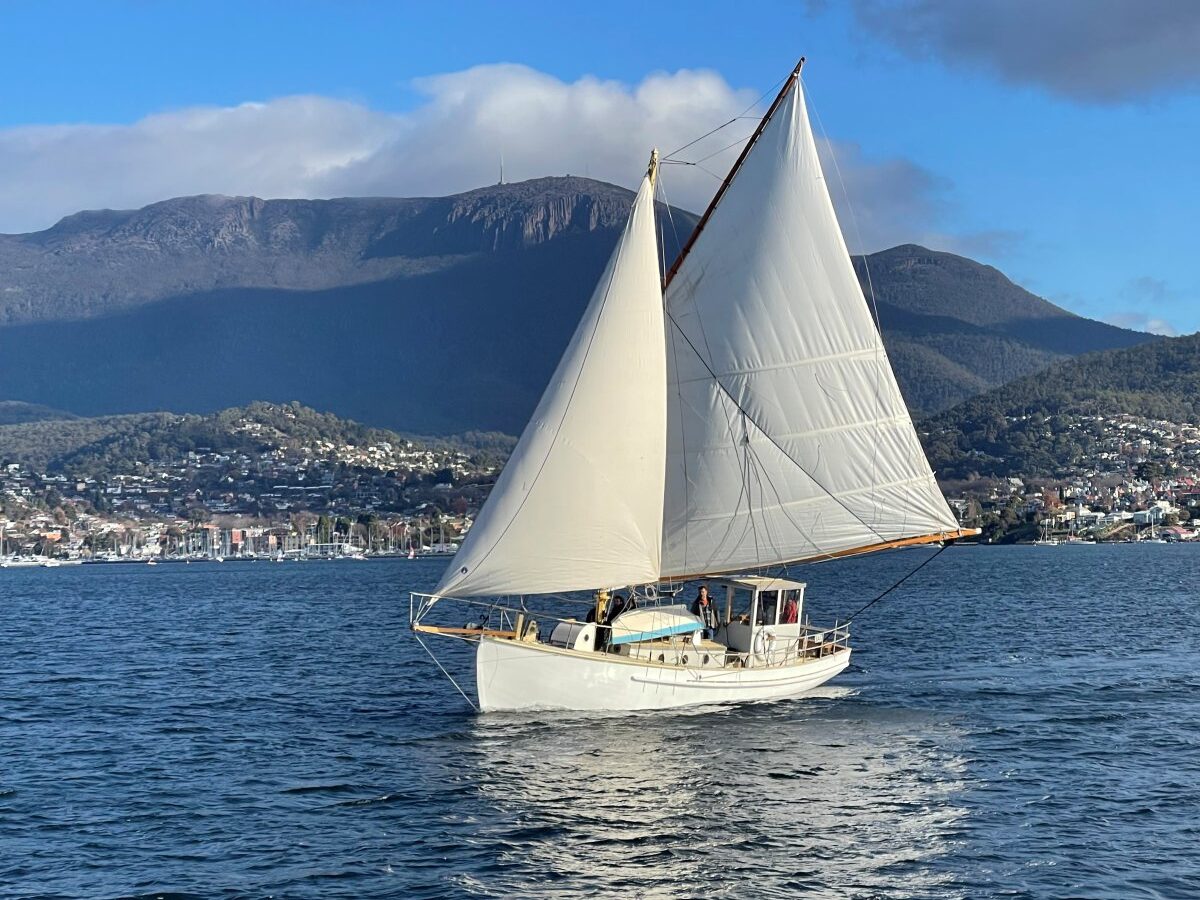
Chaparral
Serving Tasmania Through TasPorts
Today, Peter brings the breadth of his maritime experience to TasPorts as a Tug Master in Hobart.
Operating powerful Z-Tech tugs, he assists commercial vessels entering and leaving port, working closely with harbour pilots to manoeuvre ships safely alongside berths and through constrained waterways. While the work is highly technical, it remains grounded in principles that have always underpinned good seamanship: situational awareness, risk management and sound judgement.
“They're very manoeuvrable, powerful little boats and I can tell you they're a lot of fun to drive. It’s great to end my seagoing career onboard the Mount Florance.”
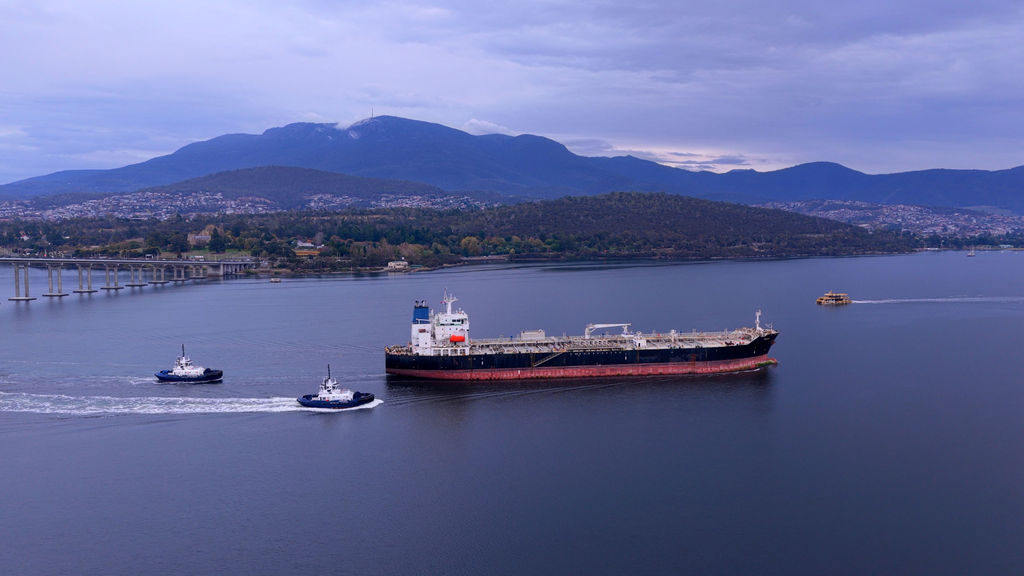
A significant part of the Hobart tug operation involves supporting ship transits beneath the Tasman Bridge. Following the 1975 Tasman Bridge disaster, extensive risk mitigation measures were introduced for larger vessel movements. Harbour tugs now play an important role in ensuring ships can safely navigate the Derwent River's narrow passages and bridge transit zones.
Looking Back, Looking Forward
From cargo ships and tall ships to tugboats and timber vessels, Peter's career tells a remarkable story of maritime adventure, lifelong learning and dedication to Tasmania's maritime community.
Reflecting on more than 40 years at sea, Peter has witnessed enormous changes in the maritime industry, but teamwork, professionalism, practical knowledge and respect for the sea continue to define life on the water.
Our thanks to TasPorts, Principal Partner of the Australian Wooden Boat Festival 2027, for sharing Peter's remarkable maritime story with us.